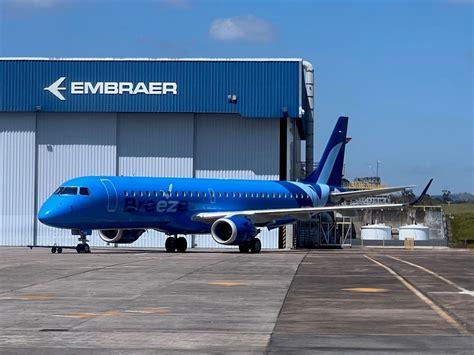
Brazilian aerospace heavyweight Embraer is preparing to deepen its strategic engagement with India’s aviation sector, signaling a potential game-changing move to establish a final assembly line in the country. This ambitious plan hinges on a firm order of 200 aircraft from Indian carriers, a milestone that would mark a dramatic expansion of Embraer’s footprint in one of the world’s fastest-growing aviation markets.
The possibility of this manufacturing shift was outlined during discussions with key Indian airlines including Air India and IndiGo, as well as several startup carriers exploring fleet expansion opportunities. Currently, only Star Air, India’s largest regional airline, operates Embraer aircraft. Yet, the Brazilian manufacturer is clearly betting big on future demand, laying the groundwork for an industrial-scale entry aligned with the Make in India initiative.
India as a Strategic Growth Node for Embraer
In recent statements, Francisco Gomes Neto, President and CEO of Embraer, emphasized India’s pivotal role in the company’s global growth strategy. He noted that India represents a multi-sectoral opportunity across defence, commercial aviation, business jets, and urban air mobility, reinforcing Embraer’s commitment to long-term collaboration.
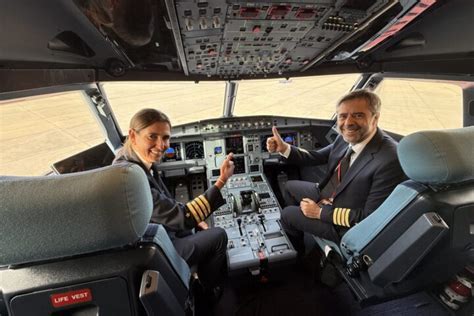
“India is a key market for Embraer,” said Neto. “We are excited to deepen our collaboration with the Indian aerospace and defence industry, leveraging our expertise and technology to contribute to the nation’s growth and Make in India campaign.”
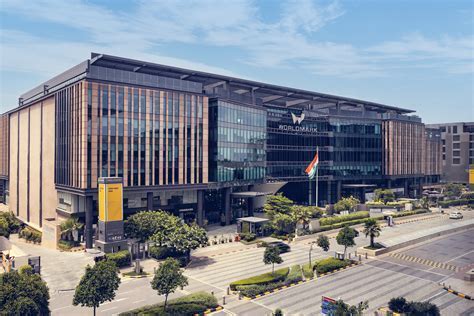
With nearly 50 aircraft across 11 types already in operation in India—spanning commercial, military, and executive segments—Embraer has a credible foundation on which to scale its activities. The creation of a wholly owned Indian subsidiary, headquartered in New Delhi’s AeroCity, underscores this strategic pivot. This unit will drive sourcing efforts, tapping into India’s vast talent pool and established engineering ecosystems.
The 200-Plane Trigger: What It Means for Indian Aerospace
Raul Villaron, Embraer’s Senior Vice President, provided crucial details on what could activate the company’s plan to set up a final assembly line in India. “A firm order for 200 aircraft will enable us to increase sourcing and have a final assembly line in India,” Villaron stated.
The implications of this statement are profound. Not only would such an order signal confidence in Embraer’s E-Jets platform within India, but it would also act as a catalyst for domestic aerospace manufacturing, including potential partnerships, employment generation, and deeper technological transfers.
India’s commercial aviation market is expected to require 500 aircraft in the 80–146 seat range over the next two decades. Embraer’s E-Jets, with their balance of range, capacity, and efficiency, are well-suited for Tier 2 and Tier 3 city connections, where turboprops often fall short in operational performance and passenger comfort.
Positioning the E-Jets for India’s Domestic Growth
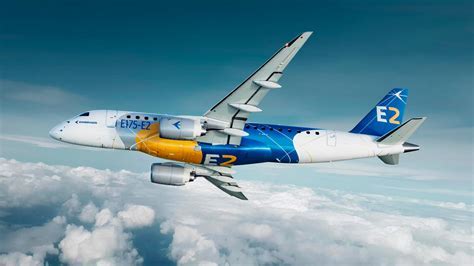
The E-Jets family, comprising the E170, E175, E190, and E195, is designed to fill a critical market niche between turboprops and larger narrow-body aircraft like the Boeing 737 or Airbus A320. In India, where regional connectivity remains a priority, especially under the UDAN (Ude Desh ka Aam Naagrik) scheme, these jets can serve as a backbone for new domestic routes.
What sets E-Jets apart is their range and flexibility. They can cover substantial distances—more than most turboprops—while also offering modern avionics, reduced operating costs, and increased fuel efficiency. The E195-E2, the largest member of the E-Jet family, carries up to 146 passengers, making it a potential workhorse for high-frequency regional routes.
Engineering Ecosystem: Sourcing and Skill Development
Embraer’s Indian subsidiary is designed not just as a sales outpost but as a fully operational sourcing and engineering hub. According to official statements, the company is actively expanding its local team across corporate functions, including specialized units in procurement, supply chain management, and systems engineering.
This approach dovetails with the Indian government’s push for Aatmanirbhar Bharat (Self-Reliant India) in aerospace and defense. It also aligns with the international best practices of localizing production to mitigate supply chain risks while increasing responsiveness to domestic market dynamics. Embraer’s plan would see a dedicated sourcing unit focused on software, IT systems, composite materials, and avionics.
Defence Cooperation: C-390 Millennium and Mahindra Partnership
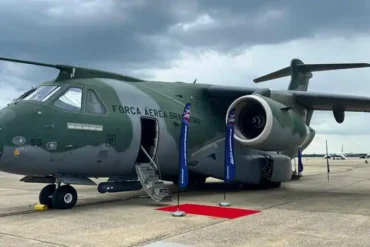
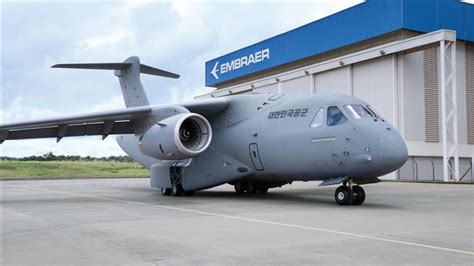
Embraer’s collaboration with Mahindra Defence Systems marks another strategic layer in its India playbook. In February of last year, the two companies signed a Memorandum of Understanding (MoU) to explore a joint bid for the Indian Air Force’s Medium Transport Aircraft (MTA) program. This initiative is centered on the C-390 Millennium, Embraer’s flagship tactical transport aircraft.
This aircraft competes globally with the Lockheed C-130J and Airbus A400M and offers significant operational advantages including faster cargo offloading, aerial refueling capabilities, and lower lifecycle costs. A successful partnership here could position Embraer as a significant player in India’s defense modernization drive.
Urban Air Mobility: A Glimpse into the Future
Beyond traditional aviation sectors, Embraer is also exploring the urban air mobility (UAM) space, a field rapidly gaining attention in India’s smart cities and logistics corridors. With congestion and infrastructure strain being persistent challenges, eVTOL (electric Vertical Take-Off and Landing) vehicles could redefine short-haul intra-city transportation.
Although still in developmental stages, Embraer’s UAM concepts, through its subsidiary Eve Air Mobility, are likely to benefit from an early foothold in India’s regulatory and technological ecosystems. Urban aviation startups, local R&D centers, and drone infrastructure firms may find synergies in working with Embraer as the UAM sector matures.
The Road Ahead: Challenges and Strategic Imperatives
Despite the optimism, there are substantial challenges ahead. Convincing Indian carriers—especially legacy players like Air India—to shift from Boeing or Airbus to Embraer will require aggressive demonstrations of cost-efficiency, support services, and operational ROI. Furthermore, fleet commonality and pilot training pipelines could be barriers for airlines heavily invested in other OEM ecosystems.
However, Embraer’s proven track record in Latin America, Africa, and parts of Europe, where it has been instrumental in expanding regional aviation, gives it a strong case. The localized final assembly proposal, if executed, would also reduce aircraft acquisition costs through tax and logistics savings—key considerations for Indian carriers navigating thin margins.
Conclusion: A Defining Moment for Embraer and Indian Aviation
The proposed final assembly line in India is not just a corporate decision—it is a strategic inflection point that could reshape regional aviation in South Asia. For India, it’s a chance to attract high-value aerospace investment, foster skilled employment, and establish itself as a manufacturing hub in the Asia-Pacific aviation supply chain. For Embraer, it’s a bold bet on a market ripe with untapped potential.
If the 200-plane order materializes, it could serve as a precedent-setting case of industrial collaboration between Latin America and South Asia—heralding a new era in aerospace globalization driven by regional aspirations and mutual economic benefit.