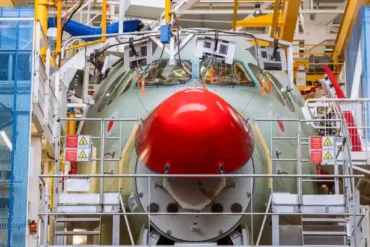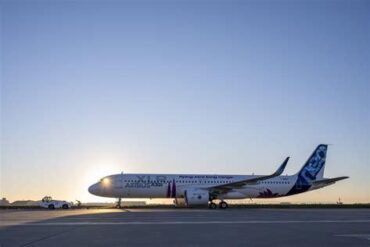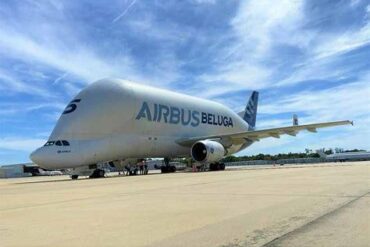
Airbus has officially confirmed its decision to transfer production of A220 engine pylons from its long-time partner site in Wichita, Kansas, to a facility in Saint-Eloi, near Toulouse, France. This transition represents not just a geographical shift, but a broader strategic realignment in the wake of its acquisition of key industrial assets from Spirit AeroSystems. While this announcement has stirred concern about the future of Airbus operations in Wichita, the company has firmly stated that its presence in the region remains secure and will continue to grow.
Strategic Rationale Behind the Move
The shift in production stems directly from the Airbus acquisition of Spirit AeroSystems’ facilities that manufacture components for Airbus aircraft programs. With the integration of these assets, Airbus is consolidating specific production lines to enhance efficiency and align with long-term operational goals.
By relocating pylon production to Saint-Eloi, Airbus is not only streamlining its supply chain but also integrating it more tightly within its European manufacturing ecosystem. The Saint-Eloi site already specializes in similar structural assemblies, making it a logical destination for the A220 pylon work.
What Are A220 Pylons and Why Are They Critical?
Aircraft pylons are complex, load-bearing structures that attach the engine to the wing, providing both structural support and housing for vital systems, including fuel, hydraulics, electrical cabling, and airflow components. In the case of the Airbus A220, these pylons must handle the integration of the Pratt & Whitney PW1500G geared turbofan engines, a modern propulsion system noted for its fuel efficiency and low noise emissions.
The A220 pylon structure, while compact, is aerodynamically optimized and made of advanced materials like titanium and carbon-fiber-reinforced composites to maintain strength while reducing weight. The move to produce them in Toulouse allows Airbus to better leverage its engineering and materials expertise concentrated in France.
Reassurance to Wichita: Airbus Is Not Leaving
Despite the production transfer, Airbus has emphasized that this is not an exit from Wichita. The company maintains a firm commitment to the Kansas facility, famously located in what is globally known as the “Air Capital of the World.” Airbus has outlined plans to continue job growth and further investment in the region, reassuring the workforce and stakeholders of its enduring presence.
Spirit AeroSystems has been a critical supplier for Airbus, and the Wichita plant has historically played a key role in delivering high-precision aerostructures. While the pylon shift reduces the site’s Airbus-specific output in one domain, it may open the door for retooling or diversification into other aircraft programs or engineering services.
Impacts of Spirit AeroSystems Acquisition
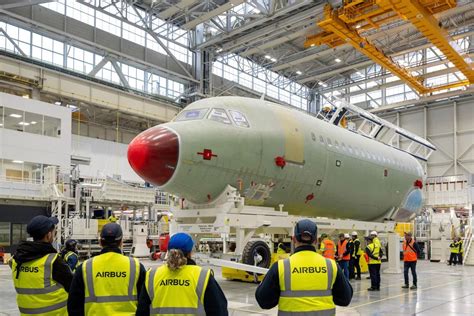
This decision follows Airbus’ broader transaction to acquire assets from Spirit AeroSystems, a deal valued at over $439 million, not including additional undisclosed provisions for liability settlement. The acquisition covered several Spirit-operated facilities dedicated to Airbus programs:
- Kinston, North Carolina – A350 fuselage sections (now Airbus Aerosystems Kinston)
- Saint Nazaire, France – A350 fuselage sections (now Airbus Atlantic Cadrean)
- Casablanca, Morocco – A321 and A220 components (Airbus Atlantic Maroc Aero)
- Belfast, Northern Ireland – A220 wings and mid-fuselage (Airbus Belfast)
- Prestwick, Scotland – A320 and A350 wing components (now Prestwick Aerosystems)
The Wichita site was the only facility with a focus on A220 pylon fabrication, and thus its transfer marks a notable realignment. According to Airbus Executive Vice President of Operations, Florent Massou, the acquisition culminates in a pivotal moment for Airbus as it “embarks on a new chapter” with over 4,000 former Spirit employees joining its global workforce.
A Boost to Toulouse’s Aerospace Hub
Saint-Eloi is no stranger to sophisticated aerospace manufacturing. The plant already plays a central role in producing pylons for A320neo and A330neo aircraft, and adding the A220 program will augment its capabilities. This move will further bolster the industrial capacity of Toulouse, a city deeply ingrained in Airbus’ identity.
Airbus has invested heavily in digitalization and advanced manufacturing techniques at Saint-Eloi, such as robotic drilling, automated composite layup, and predictive maintenance systems, which are expected to be extended to A220 pylon production.
Airbus A220: A Growing Star in Regional and Medium-Haul Markets
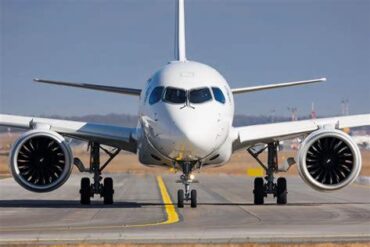
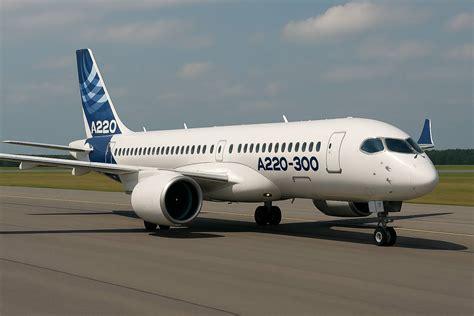
Originally developed as the Bombardier C Series, the A220 officially became an Airbus product in 2018, quickly rising in demand due to its efficiency, passenger comfort, and operational flexibility. Its five-abreast seating, large windows, and quiet cabin make it attractive for airlines and passengers alike.
The A220 is offered in two main variants:
- A220-100: Seats 108–133 passengers
- A220-300: Seats 130–160 passengers
With a maximum take-off weight of 70.9 tonnes, the aircraft is powered by the PW1500G geared turbofan, which enables better fuel efficiency and emissions performance over legacy aircraft.
As of 2025, Delta Air Lines remains the largest A220 operator globally, with a fleet of 82 aircraft. Other major airlines flying the A220 include Air France, JetBlue, airBaltic, and Swiss International Air Lines. Over 1,000 A220s have been ordered worldwide, and nearly half have already been delivered.
Global Workforce Integration and Cultural Synergy
Integrating 4,000 Spirit AeroSystems employees into Airbus is no small task. It requires not just procedural alignment but a deliberate focus on cultural integration, training, and process synchronization. Airbus has initiated workforce development programs to harmonize operations across sites and maintain its exacting quality standards.
This massive onboarding effort speaks to Airbus’ long-term vision of global industrial resilience. By consolidating pylon production in Toulouse and maintaining strong engineering bases in North America and Europe, the company is constructing an agile, scalable supply chain that can weather future disruptions.
Economic and Industry Implications
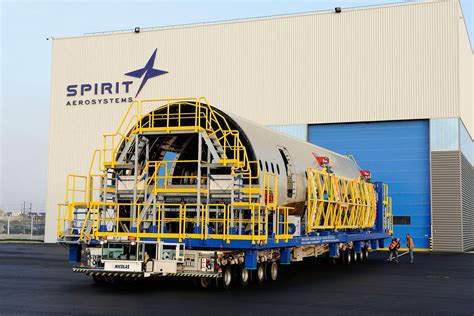
This transition signals a shift in global aerospace manufacturing geography, with more high-value activities being centered in Europe. Yet, it also reaffirms the transatlantic collaboration model that Airbus has followed for decades. While Wichita loses one production line, it remains a valuable partner in Airbus’ industrial map.
Moreover, this restructuring places Airbus in a stronger position to compete with Boeing across multiple narrow-body and regional aircraft segments. By internalizing more of its supply chain, Airbus gains greater control over lead times, cost, and quality assurance—an edge that could prove crucial in the coming decade.
Airbus has also paved the way for new investments in R&D, sustainability, and digital manufacturing as it consolidates production. This includes initiatives for zero-emission aircraft, AI-assisted factory automation, and cross-site data sharing platforms.
Conclusion: Realignment Without Retrenchment
The transfer of A220 pylon production from Wichita to Toulouse marks a significant evolution in Airbus’ industrial footprint, reflecting a broader strategy of integration, resilience, and operational synergy. However, it is not a retreat from the U.S. aerospace scene. Airbus’ commitment to Wichita remains robust, with new investments likely in the pipeline.
As Airbus continues to expand its global presence, moves like these will be essential in maintaining efficiency, controlling costs, and supporting a growing order backlog. With the A220 becoming a cornerstone of short and medium-haul fleets worldwide, its production infrastructure must match its global ambitions—starting with where its pylons are built.