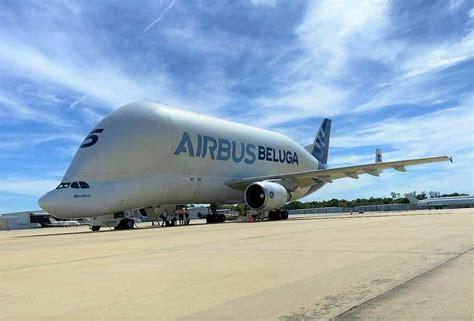
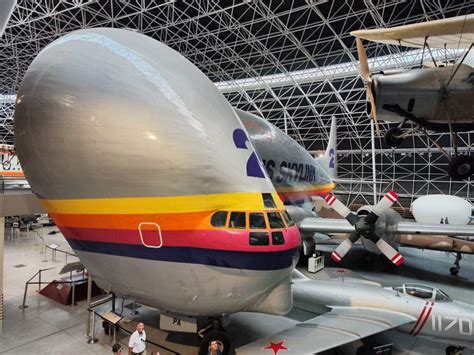
Airbus has closed a remarkable chapter in its logistics history as one of its most recognizable aircraft, the Beluga ST, officially retires to a museum in Toulouse. In a fitting conclusion to nearly three decades of service, Beluga ST number four, registered F-GSTD, now stands beside the very aircraft type it was designed to replace—the legendary Super Guppy. The reunion at the Aeroscopia Museum in Blagnac creates a powerful visual narrative of Airbus’ evolution, linking two generations of oversized transport aircraft that helped build Europe’s aerospace industry.
A Historic Farewell for the Airbus Beluga ST
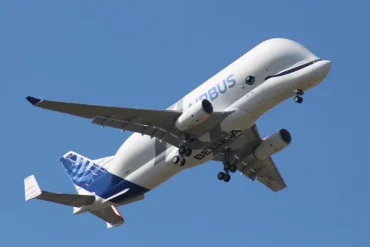
The retirement of F-GSTD marks the end of an operational career that began in the late 1990s and supported some of Airbus’ most ambitious manufacturing programs. Known officially as the Airbus Super Transporter, the aircraft became universally recognized as the Beluga thanks to its distinctive whale-like appearance. Its enlarged fuselage transformed what was once a conventional airliner platform into one of the world’s most specialized cargo aircraft.
For Airbus employees, aviation enthusiasts, and industry observers, the retirement was more than the withdrawal of a transport aircraft. It represented the conclusion of an era during which the Beluga ST became an indispensable component of Airbus’ industrial network, carrying massive aircraft sections between production facilities scattered across Europe.
The aircraft’s final journey attracted significant attention in Toulouse, the city that serves as the heart of Airbus operations. After spending its final months out of active service, F-GSTD was prepared for its ceremonial farewell and permanent display.
Final Flight Celebrates Nearly Three Decades of Service
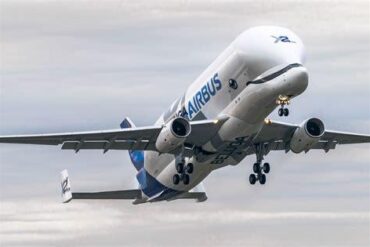
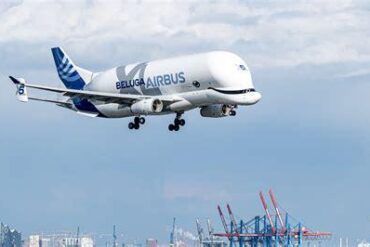
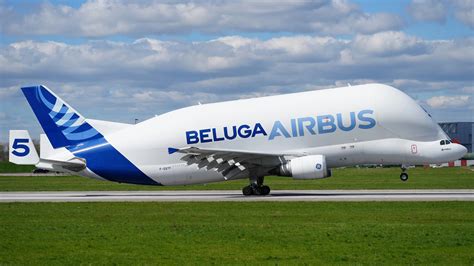
Before reaching its final destination, the aircraft performed a farewell flight above Toulouse. Aviation enthusiasts gathered to witness the giant transporter make several low passes and graceful turns over the region. The farewell sortie was made even more memorable by the presence of another Beluga ST, creating a symbolic tribute to a fleet that revolutionized Airbus logistics.
The final flight allowed spectators to appreciate the aircraft’s unusual proportions one last time. With its bulbous upper fuselage towering above the cockpit and wings, the Beluga remains one of the most visually distinctive aircraft ever built. Its silhouette has become inseparable from Airbus’ identity, appearing regularly at airports across Europe while transporting wings, fuselage sections, and other major aircraft components.
After landing, attention shifted to a different challenge. Unlike conventional museum arrivals, the Beluga could not simply taxi into its exhibition space. Instead, the aircraft had to be carefully transported by road to the Aeroscopia Museum, requiring extensive planning and engineering preparation.
Moving a Giant Through Toulouse
Transporting an aircraft of this size across public infrastructure is never a simple operation. Airbus coordinated a carefully managed towing mission from Toulouse-Blagnac Airport to the museum grounds, with engineers monitoring every stage of the transfer.
Road sections along the route required reinforcement to withstand the aircraft’s considerable weight. Specialized equipment and support vehicles accompanied the movement while Airbus personnel supervised the operation throughout the day. The slow procession attracted crowds of photographers and local residents eager to witness the unusual sight of a giant cargo aircraft traveling through public roadways.
Upon arrival at Aeroscopia, F-GSTD was positioned on the museum tarmac where it will remain permanently displayed. The successful transfer transformed the aircraft from an industrial workhorse into a historical exhibit, preserving it for future generations.
Inside the Aircraft That Kept Airbus Moving
Once secured in its final position, media representatives and invited guests gained access to the aircraft’s interior. Visitors were able to explore the cockpit and experience the enormous cargo compartment that made the Beluga famous.
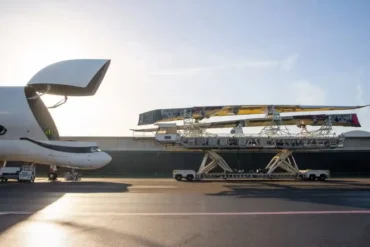
The cavernous hold was specifically designed to accommodate outsized aerospace components that could not be transported efficiently by conventional cargo aircraft. Airbus relied heavily on these transporters to move critical structures between manufacturing sites and final assembly lines. This capability enabled the company to maintain a distributed production system spanning multiple European countries while still achieving efficient aircraft assembly.
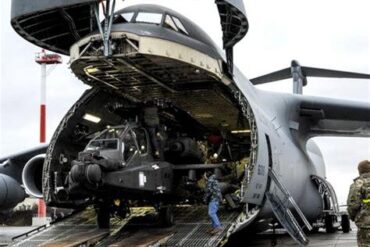
Although primarily dedicated to Airbus operations, Beluga aircraft occasionally undertook special missions involving industrial equipment, helicopters, humanitarian supplies, and other oversized cargo. These rare assignments demonstrated the aircraft’s versatility beyond its core manufacturing role.
From Super Guppy Successor to Museum Companion
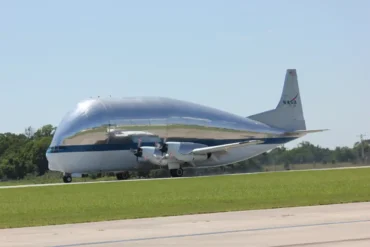
The placement of F-GSTD beside the Super Guppy carries deep historical significance. Before the Beluga program, Airbus depended on the aging Super Guppy fleet to transport aircraft components across Europe. While highly capable for their time, the Super Guppies became increasingly costly and complex to maintain.
To secure a long-term logistics solution, Airbus developed the Beluga ST based on the Airbus A300-600 platform. The result combined modern airline technology with a dramatically enlarged cargo section, creating a purpose-built transporter capable of meeting Airbus’ growing production demands.
The first Beluga ST entered service during the 1990s, ushering in a new era of industrial air transport. F-GSTD, which first flew on June 9, 1998, became the fourth aircraft produced in the fleet. Powered by two General Electric CF6-80C2A8 engines, it spent decades moving critical aircraft structures that helped support the production of some of Airbus’ most successful commercial jets.
A Symbol of Airbus Industrial Innovation
Today, the retired Beluga ST stands not merely as a preserved aircraft but as a symbol of Airbus’ manufacturing ingenuity. Positioned beside the Super Guppy, it visually illustrates the technological progression that enabled Airbus to expand from a regional consortium into one of the world’s leading aerospace manufacturers.
While the Beluga ST fleet gradually leaves active service, its legacy continues through the newer BelugaXL aircraft. These larger successors now perform the same essential mission with increased capacity, ensuring that Airbus’ unique airborne logistics network remains a critical element of aircraft production.
For visitors to Aeroscopia, the sight of the Beluga ST and Super Guppy standing side by side tells a complete story. One aircraft pioneered Airbus logistics, while the other perfected it. Together, they represent decades of engineering innovation, industrial ambition, and the extraordinary machines that quietly made modern aircraft manufacturing possible.