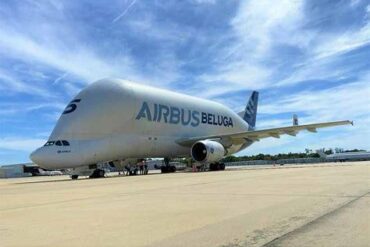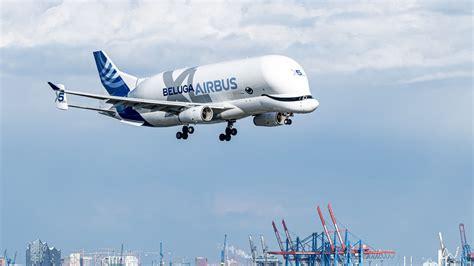
The idea of placing an Airbus Beluga in a museum feels irresistibly charming. These bulbous, almost whale-like freighters have long held a special place in aviation culture, ferrying wings, fuselage barrels, and other aircraft megastructures across Europe with an unmistakable silhouette. As Airbus prepares to retire its first-generation A300-600ST fleet, the manufacturer is eager to find them new lives as display pieces. Yet the reality beneath this generous impulse is far messier. Moving one of the most physically awkward jets ever built is not so much a donation as it is a colossal engineering, regulatory, and logistical puzzle.
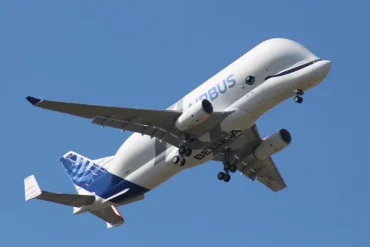
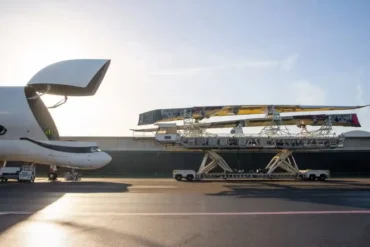
Airbus produced only five Belugas in the 1990s, each grafted from the bones of the A300 but stretched, widened, and inflated into one of the most voluminous cargo aircraft on Earth. Their successor—the BelugaXL, derived from the A330—has already taken over mainline component transport duties. These new jets, with their grinning cetacean front ends, have rendered the earlier models surplus. For Airbus, the legacy of the original Beluga invites preservation, but getting one into a museum requires confronting a practical reality its designers never contemplated: these aircraft were built to fly awkward shapes, not to be moved as awkward shapes themselves.
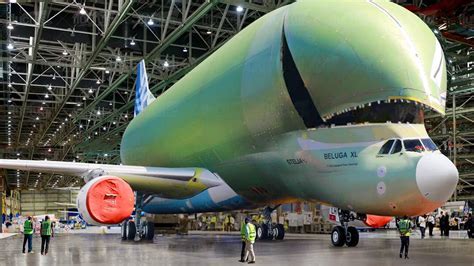
European Museums Want Them, But Geography Isn’t Kind
Airbus has expressed a clear preference for European exhibition sites, aligning with its industrial heritage and the cultural pull of its “whale fleet.” Airports with unused apron space might seem like ideal candidates, but many museums prefer to display aircraft in more public-facing environments, often far away from operational runways. That’s where the trouble begins. A Beluga delivered by air can only land at airfields long and wide enough to accommodate its footprint. Even then, the final stretch—moving the aircraft from the airport to its display site—often becomes the most dramatic chapter of the journey.
Aviation enthusiasts still recall the chaos caused when a Boeing 727 fuselage in the UK was trucked over public roads in 2021. That aircraft, by comparison, is a featherweight task: long but slender, modest in height, and relatively simple to maneuver. The Beluga, with its towering forehead-like crown and oversized cross-section, defies such comparisons. Its very shape becomes a barrier, both literally and figuratively. Every roundabout, bridge, streetlight, hillside road, and tunnel must be modeled, measured, and sometimes altered.
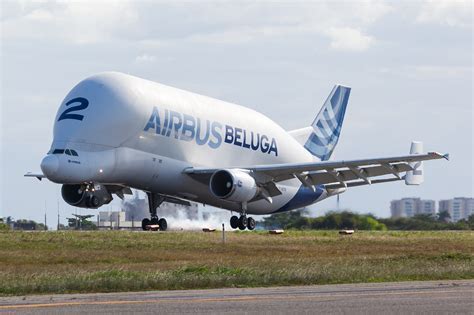
A Plane Too Tall, Too Wide, Too Everything
Most aircraft relocated by road undergo partial dismantling. Wings come off. Stabilizers are detached. Engines are removed. But the Beluga’s challenge is its height, not its wingspan. Its towering upper fuselage—responsible for swallowing whole A350 noses and A320 wings—does not shrink convincingly. Even after removing all detachable components, the Beluga still stands as a rolling monument to excess volume.
This creates a peculiar set of constraints. Transport teams must trace potential routes with obsessive precision, finding roads free of low bridges and tunnels while ensuring the ground can support the load of a massive transporter. Urban environments add another twist: city streets that might normally swallow smaller aircraft components simply cannot contend with the Beluga’s curvature.
Historical Precedent Shows How Extreme the Journey May Be
A Beluga’s odyssey to a museum would not be the first time an aircraft faced a heroic overland trek. The aviation world still marvels at the story behind the Air France Concorde displayed at Technik Museum Sinsheim. After its final landing in Karlsruhe, crews removed the wings, tail, and engines, then barged the streamlined fuselage up rivers before a specially engineered truck carried it the last grueling miles. The operation resembled a hybrid between a parade float and a military convoy.
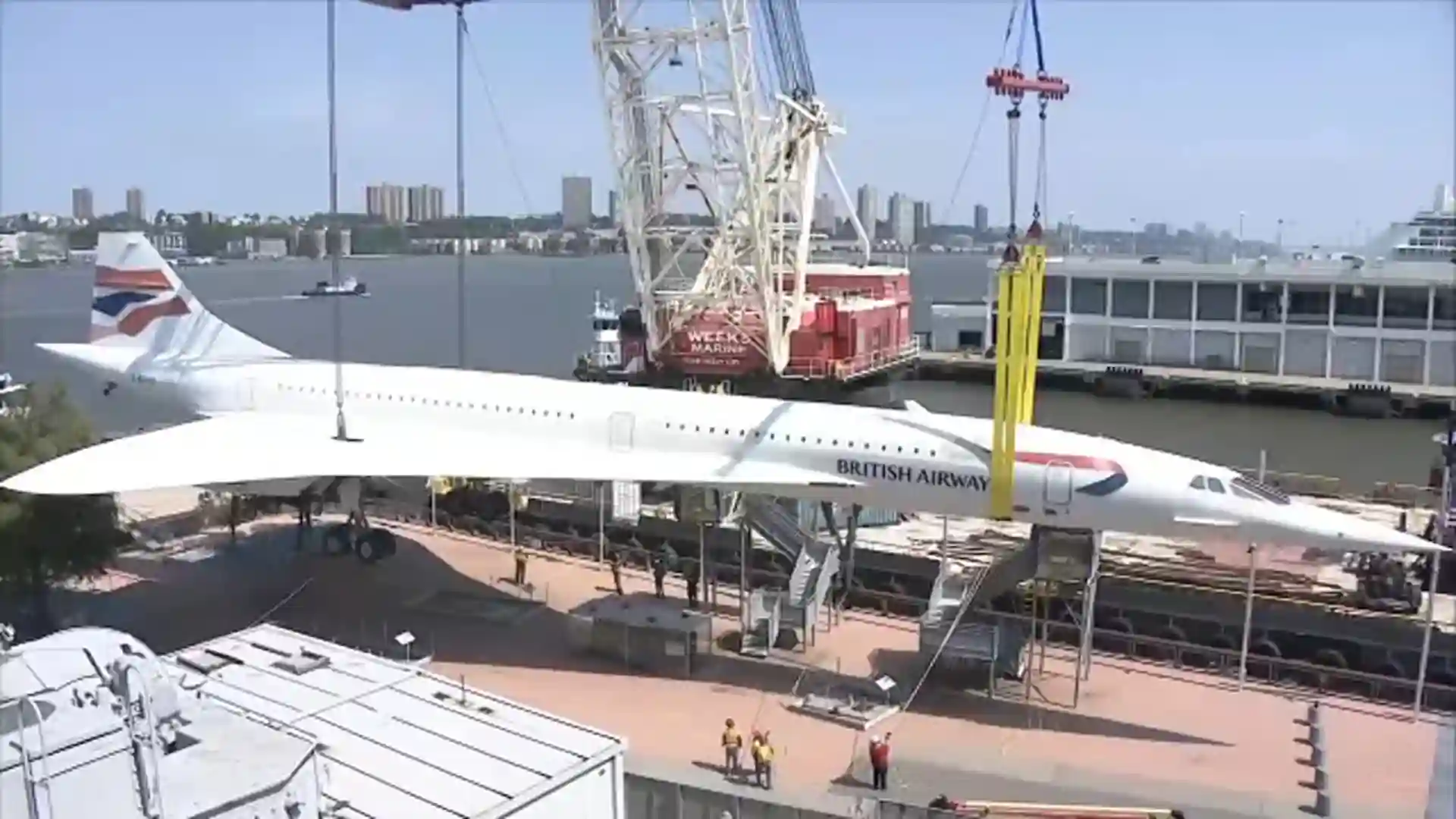
Similarly, a KLM Boeing 747 made an unforgettable waterborne journey in 2004 when it floated through the canals of the Netherlands en route to Aviodrome in Lelystad. Its wings were dismantled, its tail brought down, and its fuselage nudged delicately through waterways more accustomed to small tourist boats than double-decked widebodies. The move became a national spectacle.
More modest examples exist, like the Avro RJ85 in Norwich that achieved museum placement thanks to the simplicity of being hoisted over a fence. The Beluga, however, tolerates no such elegant shortcuts. Barges may handle the width, but the aircraft’s height complicates clearance under bridges. Road transport magnifies the issue. Even lifting equipment must be custom-designed or heavily modified to cradle the Beluga’s swollen geometry.
When a Gift Demands an Infrastructure Project
Any museum fortunate enough to adopt a Beluga also inherits a vast set of responsibilities: preparing reinforced ground pads, building access routes, coordinating local authorities, and managing an international cascade of permits. The aircraft’s sheer size can trigger utility relocations, temporary road closures, and even structural reinforcements along the chosen path.
The outcome is still worth it. A Beluga on display represents an engineering story unlike any other—a symbol of industrial collaboration, oversized ambition, and the hidden labor of aircraft manufacturing. Yet the irony remains delightful: an aircraft designed to carry the unwieldy becomes, in retirement, the unwieldy cargo itself.
Where the Belugas finally settle will tell a tale not only of aviation history but of the extraordinary lengths required to give a legend a permanent home.