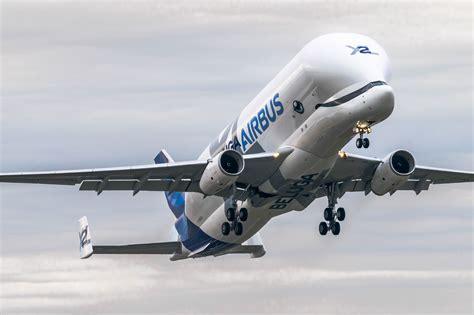
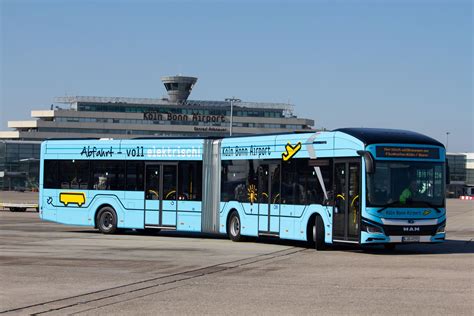
On July 22, a giant Airbus A300-600ST Beluga diverted to Cologne Bonn Airport (CGN) following a cargo smoke indication mid-flight. Operating a logistical route from Bordeaux-Mérignac Airport (BOD) in France to Bremen Airport (BRE) in northern Germany, the event marked a rare and striking appearance of the whale-like freighter at a non-Airbus facility.
In-Flight Incident Triggers Emergency Diversion
According to flight data from Flightradar24, the aircraft—registered F-GSTB and flying under call sign 4Y-195B—took off from Bordeaux at 13:14 local time. Approximately 70 nautical miles south-southwest of Cologne, cruising at FL320 (32,000 feet), the flight crew detected a cargo smoke indication around 14:30.
The crew initiated a precautionary diversion, communicating with German air traffic control and requesting an emergency landing at Cologne Bonn Airport, a facility not typically equipped for aircraft of this size. Emergency services were promptly placed on standby.
The A300-600ST Beluga touched down safely in Cologne at 14:55, where airport fire crews and emergency responders were already stationed. Following a thorough inspection, no signs of heat, smoke, or fire were found. After spending just over four hours on the ground, the aircraft departed Cologne and reached its original destination in Bremen at 19:30.
Why Cologne Is a Rare Stop for the Airbus Beluga
The Beluga is seldom seen at Cologne Bonn Airport. This oversized freighter typically flies within Airbus’s internal logistics network, connecting major manufacturing and assembly sites like:
- Toulouse (France)
- Hamburg (Germany)
- Broughton (UK)
- Saint-Nazaire (France)
These airports are equipped with specialized infrastructure to handle the Beluga’s massive structure and uniquely shaped cargo bay. While the Beluga is certified to land at standard airports in emergencies, its presence at Cologne is a notable anomaly.
This marks Cologne’s rare inclusion in the elite list of Beluga-capable airports, prompted only by this emergency situation.
Technical Details of the Aircraft Involved
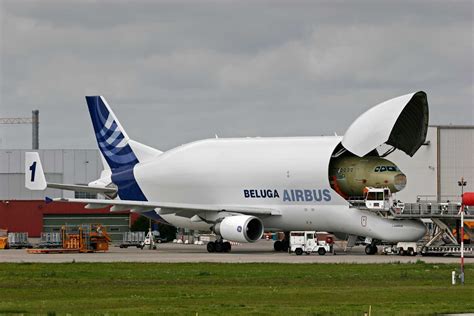
The aircraft in question—F-GSTB—is the second airframe of the original five A300-600ST Beluga Super Transporters, built in the 1990s. The Beluga fleet replaced the outdated Super Guppy and revolutionized Airbus’s ability to move large components across its decentralized manufacturing network.
Airbus A300-600ST Beluga Specifications
- Length: 184 ft 3 in (56.1 m)
- Wingspan: 147 ft 1 in (44.8 m)
- Height: 56 ft 7 in (17.2 m)
- Engines: 2 × General Electric CF6-80C2A8
- Maximum Range: 2,501 nautical miles (4,632 km)
- Payload Volume: 1,400 m³
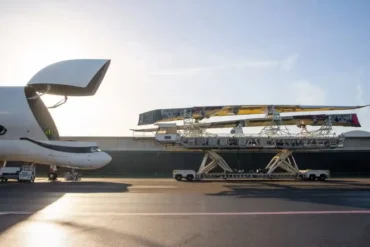
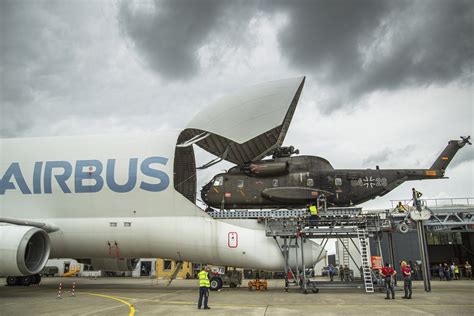
The aircraft was designed specifically to carry components such as fuselage sections, wings, and vertical stabilizers. Its massive cargo hold has a diameter of 7.1 meters, making it one of the most voluminous cargo aircraft in the world.
A Fleet Evolving: BelugaXL and Beyond
To support the increasing production demands, particularly for the A350 XWB, Airbus launched the BelugaXL in the late 2010s. Based on the A330-200 platform, the XL offers 30% more capacity than its predecessor. Airbus currently operates six BelugaXLs, with the final unit having entered service in June 2024.
The XL series now handles the bulk of internal transport missions, while the older BelugaST fleet—including F-GSTB—remains active for secondary and supplemental routes.
Other Notable Diversions of the Beluga Fleet
Diversions involving the Beluga are rare but have occurred under extraordinary circumstances. This incident follows a short series of similar events:
- February 2024: A BelugaXL diverted to Birmingham Airport due to fog at Airbus Broughton. Birmingham’s facilities hosted the aircraft temporarily, drawing significant attention from spotters.
- September 2023: A Beluga diverted to Amsterdam Schiphol over a suspected technical issue while flying between Saint-Nazaire and Hamburg.
- September 2023: A BelugaXL made an unscheduled visit to London Heathrow to deliver replacement stabilizer parts for a grounded British Airways A350, damaged in a ground collision.
These rare diversions outside Airbus’s core network offer a glimpse into the aircraft’s versatility under pressure, albeit in unintended circumstances.
Spotting a Flying Whale: Why Enthusiasts Love the Beluga
Known for its distinctive bulbous nose and “whale-like” design, the Beluga captivates aviation fans worldwide. Spotting one outside its usual haunts is an occasion for celebration, with spotter communities, photographers, and even airport staff documenting the rare appearances across social media platforms.
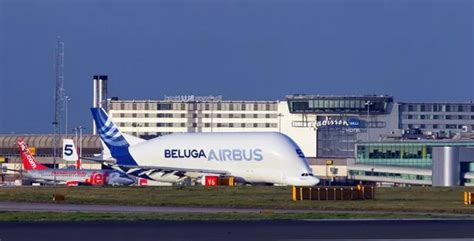
The Beluga’s popularity stems not only from its odd shape but also from its exclusivity. With only five BelugaSTs and six BelugaXLs flying globally, and most sticking strictly to Airbus routes, public sightings are few and far between.
Safety First: No Trace of Fire Found
Despite the in-flight scare, the crew’s decision to divert was aligned with Airbus’s standard safety protocols. The cargo smoke indication might have been a false alarm or a sensor malfunction, but the aircraft’s systems are designed to prioritize human and aircraft safety above all else.
Upon landing, emergency teams conducted a comprehensive inspection, and no visual or sensory indicators of smoke or heat were found. The aircraft was cleared for continuation of its flight, reaffirming the robustness of its redundant safety systems.
Conclusion: A Whale’s Tale Over Cologne
The Beluga’s unexpected touchdown at Cologne Bonn Airport served as a reminder of the critical systems in place to ensure aviation safety, even for aircraft with niche operational roles. It also gave the public a rare chance to witness a flying leviathan outside its usual confines.
While the smoke indication turned out to be a non-incident, the diversion underscored the importance of crew readiness, system reliability, and airport coordination in responding to in-flight emergencies—especially when the aircraft in question is as rare and massive as the Airbus Beluga.
The skies may be full of surprises, but few are as eye-catching and extraordinary as a Beluga dropping in unexpectedly.