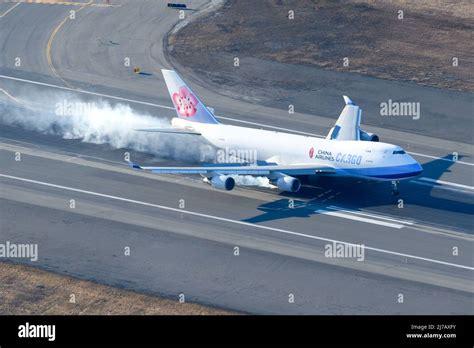
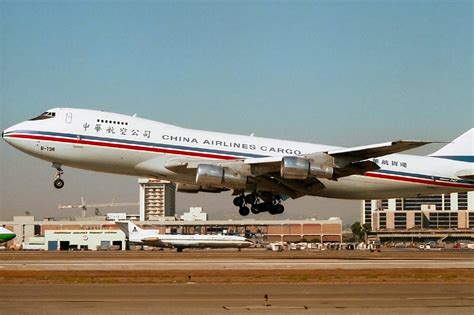
A long-haul Boeing 747 cargo aircraft operated by China Airlines made an unexpected stop in Canada’s Yukon territory after a cargo compartment smoke indication triggered during a transpacific flight. The diversion occurred on April 18, forcing the freighter to land at Erik Nielsen Whitehorse International Airport (YXY)—a remote but strategically positioned airport often used as a diversion point for aircraft crossing northern air routes.
The aircraft had departed Chicago O’Hare International Airport (ORD) and was scheduled to fly to Taipei Taoyuan International Airport (TPE), one of Asia’s busiest cargo hubs. Midway through the flight, cockpit instruments alerted the crew to a potential smoke condition within the aircraft’s cargo hold. In aviation, even a suspected onboard fire risk is treated with immediate urgency, prompting the crew to follow established emergency procedures.
Responding to the warning, the pilots declared an emergency and initiated a diversion toward Whitehorse. The airport sits along critical transpolar and northern transpacific air corridors, making it a practical emergency landing location for aircraft traveling between North America and Asia.
Mid-Flight Smoke Warning Forces Immediate Diversion
The alert originated from the fire detection system installed in the Boeing 747’s cargo compartment. These systems continuously monitor air quality and temperature changes inside sealed cargo holds. If smoke particles or abnormal conditions are detected, cockpit alerts immediately notify the flight crew.
In this case, the warning triggered standard emergency protocols. Pilots coordinated with air traffic control to reroute the aircraft to the nearest suitable airport capable of accommodating a large widebody freighter. Whitehorse was selected due to its runway length, emergency response readiness, and geographic proximity.
Before the aircraft arrived, emergency crews at the airport mobilized in preparation for a potential fire incident. Fire trucks, rescue personnel, and airport safety teams positioned themselves along the runway to respond quickly if necessary.
Despite the seriousness of the warning, the aircraft completed a safe and controlled landing at Whitehorse. Upon arrival, emergency responders approached the aircraft and conducted precautionary checks while the crew secured the aircraft systems.
Officials later confirmed that no fire was discovered and no injuries were reported, though the aircraft remained grounded temporarily while inspections continued.
Whitehorse Airport Handles an Unexpected Jumbo Visitor
For Whitehorse International Airport, the arrival of a large Boeing 747 cargo aircraft is an unusual but not unprecedented event. The airport frequently serves as an alternate diversion point for transpacific flights traveling along northern polar routes.
Local airport officials provided an update shortly after the incident, confirming that the aircraft landed safely and that airport operations continued largely unaffected. Passenger departures and arrivals proceeded with only minimal disruption despite the emergency response.
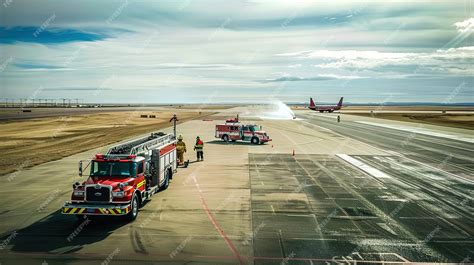
The statement emphasized that emergency crews were already prepared for scenarios like this. Even in remote regions such as the Yukon, aviation infrastructure is designed to respond quickly to large-scale aircraft incidents.
This capability is essential for aircraft flying across vast northern territories, where airports are sparse and weather conditions can be unpredictable. Strategic diversion points like Whitehorse ensure that aircraft always have a viable landing option within reach.
Why Smoke Indications Are Treated as Critical Emergencies
Aircraft smoke warnings are taken extremely seriously because in-flight fires represent one of the most dangerous scenarios in aviation. Even a small fire can spread rapidly in a pressurized aircraft environment, particularly when cargo materials are involved.
Potential causes of smoke indications include:
- Electrical system malfunctions
- Overheated components within the cargo bay
- Sensor anomalies or false alarms
- Cargo containing hazardous materials
Modern aircraft such as the Boeing 747 freighter are equipped with sophisticated fire detection and suppression systems. Cargo compartments typically contain smoke detectors, fire-resistant linings, and automated extinguishing systems designed to suppress flames long enough for pilots to land safely.
However, aviation safety rules dictate that crews must assume the warning is genuine until proven otherwise. That is why diversions are initiated even when the underlying cause later turns out to be minor or mechanical.
The Boeing 747’s Enduring Role in Global Cargo Operations
Although passenger versions of the Boeing 747 have largely disappeared from commercial service, the aircraft remains one of the most important platforms in global air freight. Its large payload capacity, nose-loading capability, and long-range performance make it ideal for intercontinental logistics.
China Airlines Cargo operates several 747 freighter variants, supporting international trade routes linking North America, Asia, and Europe. These aircraft transport everything from industrial equipment to high-value electronics.
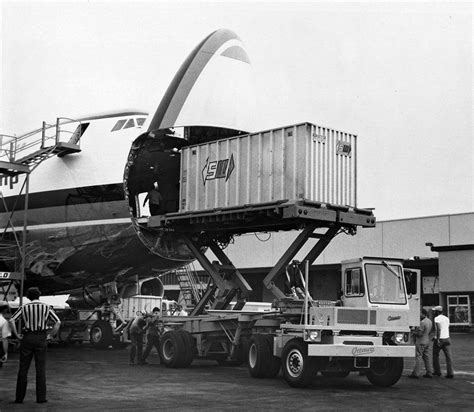
The reliability of the aircraft has helped maintain its status as a backbone of global freight transport. Even decades after its introduction, the 747 continues to demonstrate remarkable durability and operational flexibility.
Events like the Whitehorse diversion also highlight the importance of maintaining robust safety systems on older but highly capable aircraft.
Growing Focus on Cargo Fire Prevention
In recent years, aviation regulators and airlines have increased their attention on cargo fire prevention and detection technologies. The rise of global e-commerce and increased shipping of electronic devices has introduced new safety challenges.
One particular concern involves lithium-ion batteries, which can overheat and ignite under certain conditions. Such batteries are commonly transported in bulk shipments, making proper packaging and screening essential.
Regulatory agencies now enforce strict guidelines on how hazardous materials must be declared, packaged, and loaded onto aircraft. Additional improvements in smoke detection sensitivity and fire suppression technology are also being implemented across cargo fleets.
Investigation and Next Steps
Following the diversion, maintenance teams began a comprehensive inspection of the aircraft’s cargo systems to determine what triggered the warning. Investigators will review sensor data, cargo manifests, and aircraft systems to identify the exact cause of the smoke indication.
While incidents like this are relatively rare, they provide valuable insights into aviation safety procedures and operational readiness. The successful outcome demonstrates how multiple safety layers—from onboard detection systems to emergency airport response—work together to protect crews and aircraft.
For the aviation industry, the event serves as another reminder of a fundamental principle: when it comes to potential in-flight hazards, caution always takes priority.