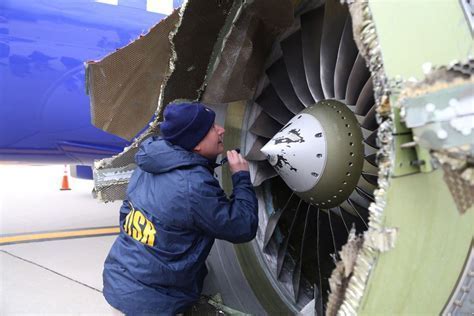
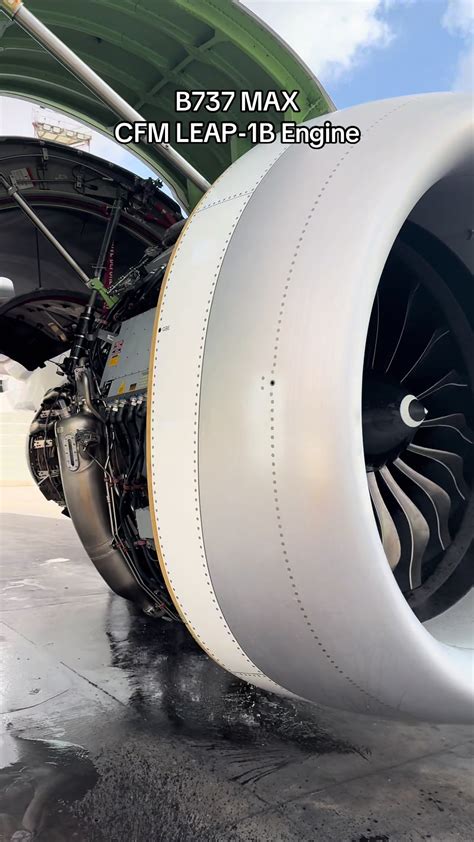
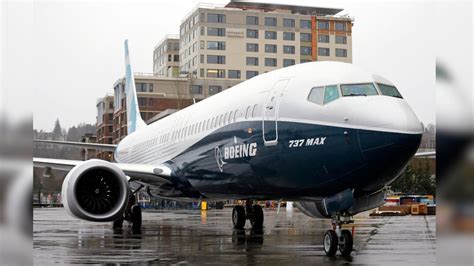
On June 19, 2025, the National Transportation Safety Board (NTSB) issued a rare and urgent safety warning regarding the Boeing 737 MAX aircraft equipped with CFM International LEAP-1B engines. The warning stems from two alarming smoke incidents in 2023 that followed bird strikes during takeoff. The NTSB’s findings raise serious concerns about engine design vulnerabilities that could compromise crew and passenger safety in critical flight phases.

Smoke-Filled Cabins After Engine Bird Strikes: The 2023 Incidents
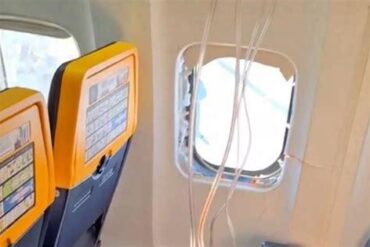
In both documented incidents, smoke entered the aircraft cabins and cockpits after the ingestion of birds into the engines. The first occurred in March 2023, when a Southwest Airlines Boeing 737 MAX 8 departing Havana, Cuba, experienced a right-engine bird strike shortly after takeoff. Passengers reported visible vapor and a burning odor as the cabin filled with smoke. The flight crew executed an emergency return to Havana under intense pressure.
The second incident happened in December 2023, involving another Southwest MAX 8 that had just departed New Orleans, Louisiana. A bird was ingested into the left engine, triggering the release of acrid white smoke into the cabin and cockpit. That aircraft also performed an emergency landing back at New Orleans. In both events, all passengers were evacuated without fatalities, but the psychological impact and potential for incapacitation underscore the gravity of the issue.
The Culprit: Load Reduction Device (LRD) and Engine Oil System Damage
Investigations traced the smoke ingress not simply to the bird strike, but to a downstream consequence involving the engine’s Load Reduction Device (LRD). The LRD, a safety mechanism designed to minimize airframe vibrations when an engine is damaged, inadvertently contributes to the problem. When activated, the LRD’s interaction with the engine oil system may lead to oil leaks. As this oil comes into contact with extremely hot engine components, it vaporizes and creates smoke, which is then pulled into the aircraft’s environmental control system—the same system that regulates cabin pressure and air quality.
This systemic vulnerability means that pilots could face a smoke-filled cockpit during the most critical phases of flight—takeoff and landing—where situational awareness is paramount. According to the NTSB:
“It is critical to ensure that pilots who fly airplanes equipped with CFM International LEAP-1B engines are fully aware of the potential for smoke in the cockpit if the load reduction device is activated during a critical phase of flight.”
Software Update: Boeing and CFM’s Mitigation Plan
In response, Boeing and CFM International are working to develop a software update that addresses the timing and behavior of the pressure-regulating shutoff valves within the aircraft’s air distribution system. This software enhancement aims to rapidly seal off engine-sourced airflow into the cabin following detection of an LRD event. As a result, less smoke would reach the cockpit or cabin, reducing both risk and the cognitive load on the flight crew.
Pilots are also now being trained to manually disable airflow from engine bleed systems in case of emergency. The NTSB strongly recommended that these procedural updates be urgently incorporated into flight manuals, alongside the pending software fix. Although the Federal Aviation Administration (FAA) had earlier concluded that immediate grounding was unnecessary, it is now closely evaluating the implementation of the recommended changes.
Broader Safety Implications: International Agencies Alerted
Recognizing the global use of LEAP-1B engines beyond U.S. borders, the NTSB has escalated its warning to the European Union Aviation Safety Agency (EASA) and China’s Civil Aviation Administration (CAAC). These regulatory bodies are expected to mirror the FAA’s response, as aircraft with identical engine architecture—like the Airbus A320neo and COMAC C919—may be subject to similar vulnerabilities, albeit with different risk profiles depending on the airframe and software.
The LRD: A Safety Device With Unintended Consequences
The Load Reduction Device, while well-intentioned, has now joined a growing list of Boeing 737 MAX components that inadvertently introduce secondary hazards. The LRD’s purpose is to reduce stress on the aircraft structure when engine parts begin to fail. However, in doing so, it creates a pathway for oil system breaches. These breaches allow oil mist to enter ventilation systems—a particularly concerning outcome, as oil-based smoke contains toxic compounds that can impair pilot function and pose serious health risks.
The incident echoes past scrutiny of the MAX series, especially following the MCAS (Maneuvering Characteristics Augmentation System) failures that contributed to two devastating crashes in 2018 and 2019. The LRD issue, though far less deadly so far, again raises questions about the trade-offs made in modern jet design, where one safety fix inadvertently spawns another problem.
FAA’s Position: A Deliberate But Reactive Approach
The FAA has so far taken a measured stance, weighing the risk before issuing binding airworthiness directives. However, insiders report that discussions are accelerating in light of the NTSB’s urgent tone. Temporary workarounds, like advising pilots to shut off engine bleed valves manually when smoke is detected, offer interim relief. Yet critics argue this still exposes flight crews to a startling and disorienting scenario—precisely the type of distraction that aviation safety regulations aim to avoid.
Boeing’s Reputation Again Under Fire
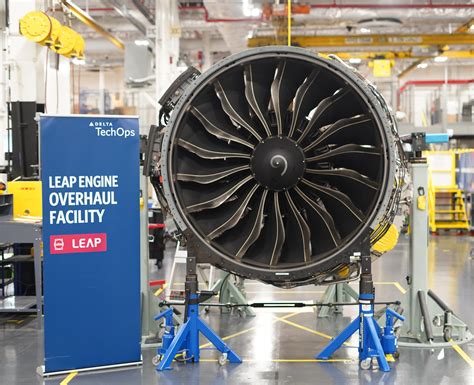
For Boeing, this new issue adds to a cascade of public relations and regulatory crises that have dogged the 737 MAX program. The aircraft, once billed as the fuel-efficient savior of short- and medium-haul aviation, continues to be plagued by design shortcomings and system integration failures. Though the LRD system is not exclusive to Boeing and also involves CFM International, it is the airframer’s responsibility to ensure safe integration and failure containment within the broader aircraft system.
Aviation analysts note that while Boeing has responded with the required fixes, these tend to be reactive rather than preventive. The upcoming software update may reduce the likelihood of future smoke incidents, but it also raises the uncomfortable question of why the risk was not anticipated during original certification.
Conclusion: Systemic Lessons and the Path Forward
The NTSB’s urgent safety recommendation is not merely a call to action for technical remediation, but a warning about systemic blind spots in modern aircraft development. In a safety-first industry, every overlooked detail can result in cascading consequences. The 737 MAX LEAP-1B engine smoke issue shows how complex interdependencies—between mechanical subsystems, software logic, and emergency protocols—can produce risks far more serious than their component causes.
Passengers flying aboard 737 MAX aircraft in the coming months may not notice any changes. However, behind the scenes, airlines, regulators, and manufacturers are racing to implement safety upgrades that should have been in place from the beginning. As aviation moves further into software-reliant airframes, the NTSB’s alert is a powerful reminder that engineering foresight must match technological innovation.