Tropical storms and hurricanes can emerge with little warning, resulting in widespread disruption and substantial damage. Such severe weather events can impact everything from transportation and infrastructure to emergency services and even basic necessities of life. Fortunately, advancements in meteorology allow for better tracking of these phenomena, enabling timely alerts to keep people informed, especially those traveling to affected areas.
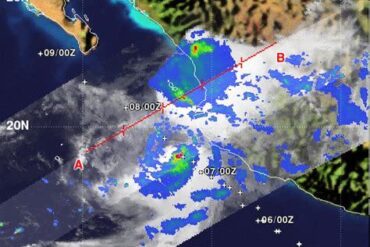
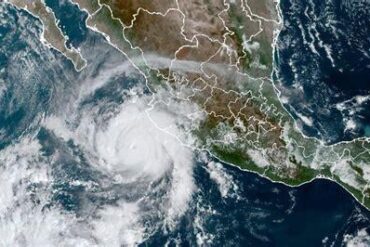
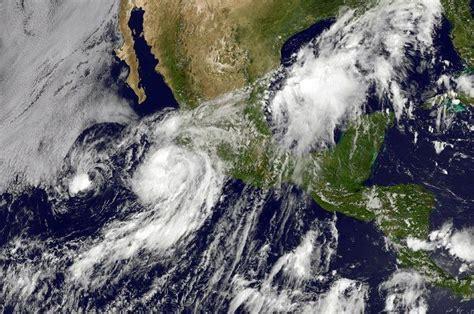
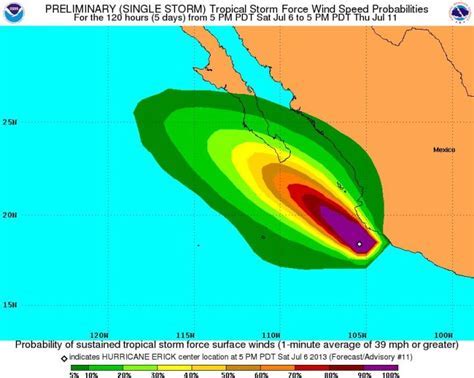
The current focus is on Tropical Storm Erick, which is currently moving towards Mexico’s southern coast. The Government of Canada has updated its travel advisory to reflect the potential impact of this storm. While not all parts of Mexico may experience disruptions, specific regions, especially popular tourist destinations, are under threat of dangerous weather conditions. The advisory emphasizes Bahía de Huatulco and Punta Maldonado, both renowned for their scenic beauty and vibrant tourism, but now facing imminent danger.
Key Areas at Risk from Storm Erick
Travelers should be aware of the possible ramifications of Tropical Storm Erick on local services. The impending storm may lead to:
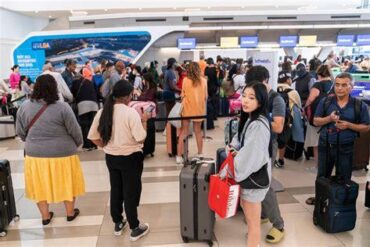
- Transportation Disruptions: Flights, buses, and other public transport services are likely to face cancellations or delays due to hazardous weather conditions. The storm’s arrival can severely hamper mobility, affecting both locals and visitors.
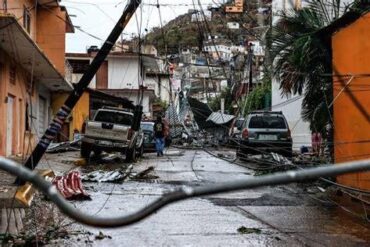
- Infrastructure Challenges: Power outages, interruptions in water and food supply, and possible disruptions to medical care and emergency services could occur, placing additional strain on the local population and visitors alike.
- Telecommunications Issues: Mobile networks and internet connectivity may become unstable or fail entirely, leaving travelers without the means to communicate with family or authorities, thereby heightening safety concerns.
It is crucial for anyone considering travel to or currently within the affected area to understand how Tropical Storm Erick might impact their itinerary and safety. Mexico’s hurricane season runs from mid-May through the end of November, and travelers should carefully assess these risks when planning trips during this time. The increasing frequency and intensity of such weather events are often attributed to climate change, making awareness even more critical.
Travel Advisory from Canada: What You Need to Know
In light of the approaching storm, the Government of Canada has taken proactive measures by issuing an updated travel advisory for its citizens. Here are some essential takeaways:
- Avoid Non-Essential Travel: Canadians are urged to refrain from traveling to Bahía de Huatulco and Punta Maldonado unless absolutely necessary. The government stresses the importance of prioritizing safety over travel plans during this precarious period.
- Stay Informed: It is imperative to monitor local news and weather updates regularly. Travelers should stay in touch with their accommodations for real-time guidance and any changes in local conditions.
- Preparation is Key: Those already in the region should have a contingency plan ready. Knowing emergency exit routes, nearby shelters, and how to contact local authorities in case of an emergency can be lifesaving.
Precautions for Travelers Already in Affected Areas
For travelers currently in Bahía de Huatulco, Punta Maldonado, or nearby regions, taking proactive measures is vital for ensuring personal safety. The Canadian government recommends the following actions:
- Exercise Extreme Caution: Pay attention to all local weather alerts and take immediate action if instructed to evacuate or shelter in place. Local authorities are best equipped to provide timely and accurate information regarding safety measures.
- Have a Contingency Plan: Make sure you know your emergency exit routes and the location of nearby shelters. Being prepared can significantly reduce panic and confusion in the event of an emergency.
- Keep Emergency Contact Information Handy: It’s critical to have the contact numbers for local authorities, your embassy, and any services that could assist in emergencies. Familiarize yourself with local emergency numbers and protocols.
- Stay Informed: Regularly check local news and weather updates to stay abreast of any changes in the storm’s path or intensity. This includes staying in touch with your resort or accommodation for real-time advice.
- Follow Local Instructions: Always adhere to the instructions provided by local authorities, whether they relate to evacuations, curfews, or other essential safety measures. Your safety should always come first.
Preparing for the Storm: Essential Steps for Travelers
If you plan to visit this region soon or are already in the path of Tropical Storm Erick, it is crucial to take several steps to safeguard your travel plans and personal safety:
- Stay Informed: Keep up-to-date with the latest forecasts and advisories from both the Canadian government and local authorities. Knowledge is your best defense against unforeseen circumstances.
- Secure Accommodations: If you’re planning to travel soon, ensure that your accommodation has a solid emergency plan for handling storm conditions, including backup power sources and necessary provisions.
- Prepare for Delays: Anticipate possible flight cancellations or delays, and make arrangements in advance for transportation if needed. Having alternative plans can save you stress and confusion later.
- Consider Delaying Your Trip: If rescheduling is an option, consider postponing your travel to the affected region until after the storm has passed and conditions have improved. Safety should always take precedence over travel plans.
As Tropical Storm Erick approaches Mexico’s southern coast, travelers must remain vigilant and heed the warnings issued by the Government of Canada. The advisory for Bahía de Huatulco and Punta Maldonado serves as a critical reminder of the unpredictable nature of storms and the necessity of being prepared. For those currently in the area, taking necessary precautions and staying informed will be essential for ensuring safety and minimizing disruption. Regardless of where you are in the world, it’s always prudent to err on the side of caution when severe weather threatens your destination.