In a significant move reflecting the escalating safety concerns, the Canadian government has issued a revised travel advisory for the Philippines, categorizing specific regions as high-risk zones and urging tourists to reconsider their travel plans. While many areas of the Philippines remain popular among travelers, the latest advisory highlights the dangers posed by certain locales, particularly in Mindanao, where security threats have sharply increased. This article delves into the implications of this advisory, the regions affected, and essential safety recommendations for travelers.
The Canadian government’s travel advisories are regularly updated to ensure that citizens are informed about potential risks abroad. Recently, Canada issued a yellow-level advisory for the Philippines, signaling that while the country is generally safe, visitors should exercise heightened caution. However, certain regions, including parts of Western Mindanao, have been designated with a more severe red-level warning, indicating that all travel to these areas should be strictly avoided due to grave safety concerns.
Among the provinces now flagged under Canada’s highest risk category is Western Mindanao. This region, comprising several provinces, is facing an alarming rise in violence fueled by the presence of extremist groups. The Canadian government has specifically identified areas such as Basilan, Cotabato, Lanao del Sur, Lanao del Norte, Maguindanao, Misamis Occidental, Sarangani, South Cotabato, Sultan Kudarat, Sulu, Tawi-Tawi, Zamboanga del Norte, Zamboanga del Sur, and Zamboanga Sibugay as particularly dangerous for foreign travelers. Due to ongoing terrorist threats and incidents of kidnapping, the advisory strongly recommends that individuals avoid these regions altogether.
In addition to Western Mindanao, the advisory also outlines specific areas in Central and Eastern Mindanao where travelers are advised to limit their movement or avoid all non-essential travel. These areas include Agusan del Norte, Agusan del Sur, Bukidnon, Davao de Oro, Davao del Norte, Davao del Sur (excluding Davao City), Davao Occidental, Davao Oriental, Misamis Oriental, Surigao del Norte (excluding Siargao Island), and Surigao del Sur. Despite being comparatively more stable than their western counterparts, these regions still present significant risks, primarily due to ongoing security threats and elevated crime rates.
The unrest across Mindanao Island can be attributed to the persistent activities of extremist groups, which have fostered an environment of instability. Despite efforts from local law enforcement agencies to mitigate violence, certain areas continue to witness severe safety challenges. Notably, the Bangsamoro Autonomous Region in Muslim Mindanao, the Zamboanga Peninsula, and the Sulu Archipelago stand out as particularly volatile regions, plagued by frequent insurgent activity and lawlessness. Cities like Cotabato, General Santos, Isabela, Jolo, Kidapawan, Marawi, and Zamboanga have historically experienced deadly bombings, leading to numerous casualties and injuries. Such incidents underscore the precarious security landscape in these areas, raising alarms among international travelers.
Canadian authorities have emphasized that consular support for citizens in high-risk zones may be severely limited, further complicating the situation for those who find themselves in danger. Consequently, the updated travel advisory includes crucial safety recommendations for individuals currently in or contemplating travel to these high-risk areas. Tourists are urged to exercise increased caution, remain indoors whenever possible, avoid large gatherings or public events, and carry essential identification and travel documents at all times. Staying informed through credible news sources and adhering to local authorities’ guidance are vital steps toward ensuring personal safety while navigating these challenging environments.
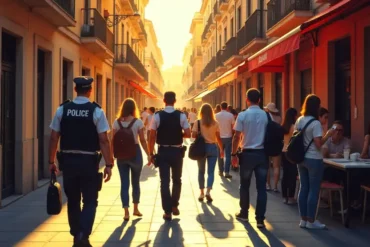
As part of its commitment to ensuring the safety of its citizens abroad, the Government of Canada continues to monitor global conditions closely, issuing timely travel updates for various international destinations. The Philippines is not alone in facing heightened scrutiny; other countries, including Spain and Panama, have also seen revisions to their travel advisories in light of emerging security threats. Travelers heading to Spain are advised to exercise heightened caution due to potential terrorist threats, while those considering a trip to Panama should steer clear of the Bocas del Toro area, which has been flagged for continued demonstrations and instability.
In conclusion, the recent travel advisory issued by Canada regarding the Philippines serves as a critical reminder of the importance of staying informed and prioritizing safety when planning international travel. As travelers weigh their options, it is essential to heed official warnings and thoroughly research the regions they intend to visit. By doing so, individuals can significantly reduce their risk of encountering hazardous or unstable conditions while abroad, allowing for a safer and more enjoyable travel experience.