In an unsettling turn for the global tourism sector, AI-powered travel scams have evolved from isolated incidents in Spain and Portugal into a worldwide cybercrime epidemic, shaking the very foundation of traveler trust and the integrity of the hospitality industry. The warning from Booking.com is clear: the threat is no longer regional or isolated. It is systemic, intelligent, and growing at an alarming pace.
The Origins of the AI Scam Crisis in Spain and Portugal
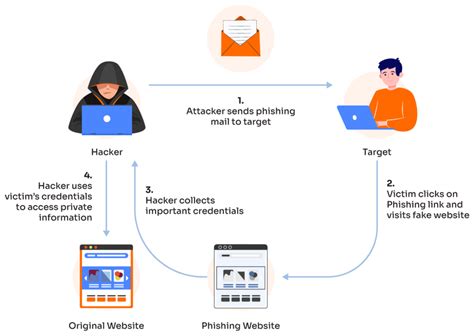
What began discreetly along the sunny coasts of Spain and Portugal has morphed into a global issue, infiltrating major tourism hubs and digital platforms. Initially, cybercriminals exploited vulnerabilities in small hotel booking systems and vacation rental platforms, testing the capabilities of generative AI tools to create realistic phishing attempts. The initial scams targeted unsuspecting tourists with fake confirmation emails and deceptive payment requests that appeared indistinguishably authentic.
The advent of ChatGPT and other advanced AI platforms in 2022 provided cybercriminals with a powerful arsenal, enabling them to mimic logos, booking templates, and even customer service conversations with chilling precision. The surge in tourism post-pandemic created the perfect storm—millions eager to travel, overwhelmed systems, and a digital crime wave ready to exploit both.
How AI is Transforming Cybercrime in the Travel Industry
Unlike traditional scams, AI-driven travel fraud evolves at breakneck speed. Cybercriminals leverage machine learning models to refine their tactics continuously, analyzing what works and replicating successful schemes across continents. Phishing emails now contain natural-sounding language, accurate branding, and sophisticated psychological hooks that lure even tech-savvy users.
Scammers infiltrate booking platforms, hijack hotel systems, and gain access to vast databases of customer data, including passport details, payment information, and travel itineraries. This data is then weaponized for additional fraud or sold on dark web marketplaces. Booking.com reports that techniques perfected in Europe are rapidly being shared and adopted by criminal networks globally, fueling an international marketplace of travel fraud.
Booking.com’s Red Alert to Tourists and Industry Stakeholders
Booking.com’s stark warning underscores the organized nature of these scams. The company reports a dramatic increase in fake communications purporting to come from hotels or the platform itself. Tourists are tricked into making additional payments, sharing sensitive documents, or clicking malicious links disguised as legitimate booking updates.
The threats include:
- Fraudulent booking confirmations that direct travelers to fake websites.
- Deceptive emails requesting payment for non-existent fees or taxes.
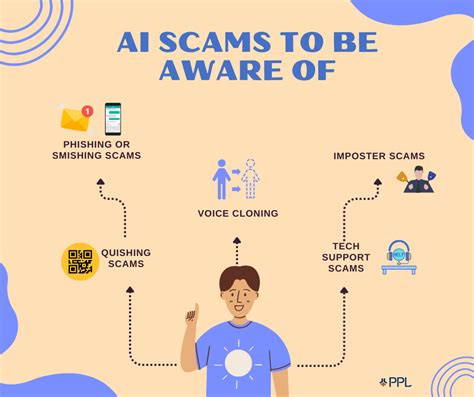
- QR codes leading to phishing sites or malware downloads.
- Compromised hotel accounts sending out genuine-seeming but fraudulent requests.
The Global Spread: From Europe to the World
Initially concentrated in Iberian tourism hotspots, AI-powered travel scams now plague destinations across North America, Asia, and beyond. Major cities, from Lisbon to Los Angeles, have reported incidents. The globalized nature of online booking means that no destination is immune. Tourists booking boutique stays in Paris or luxury resorts in Bali face the same risks as those booking a weekend getaway in Barcelona.
The Dark Marketplace of Cybercrime
Cybercriminals aren’t working in isolation. Once a scam proves successful, the method is packaged and sold on criminal forums, spreading the damage exponentially. It’s a digital arms race where fraud techniques evolve as rapidly as defenses. This fluid exchange of tactics makes traditional cybersecurity responses inadequate unless continuously updated and reinforced.
The Double-Edged Sword of AI in Travel
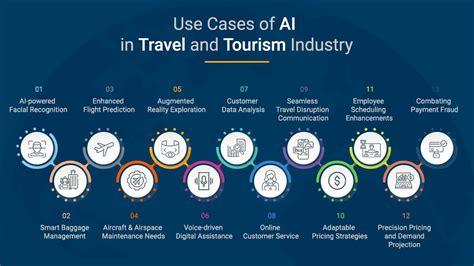
Ironically, the very technology enhancing modern travel is being weaponized against it. AI powers innovative services, from chatbot concierges to personalized itinerary planners. But it also enables hyper-realistic scams. Booking.com and other travel giants are now investing in AI countermeasures, using machine learning to detect anomalies, block fraudulent messages, and identify suspicious booking patterns before harm is done.
The Human Factor: Tourists as the First Line of Defense
As technology escalates, so too must traveler awareness. Experts urge tourists to adopt digital skepticism as part of their travel routine. Essential tips include:
- Always verify the sender’s email address and domain before responding.
- Double-check payment requests directly with the hotel or booking platform.
- Use official apps or websites to manage bookings.
- Enable two-factor authentication where possible.
- Be wary of last-minute requests for extra fees or changes in payment details.

The Industry’s Response: A Call for Unified Action
Travel platforms, hospitality brands, and cybersecurity firms are racing to strengthen digital defenses. This includes:
- Upgrading encryption and authentication protocols.
- Retraining staff to spot and stop fraudulent activity.
- Sharing threat intelligence across the industry to stay ahead of evolving scams.
However, gaps remain. Smaller hotels and independent hosts often lack the resources to deploy cutting-edge cybersecurity, making them prime targets. The industry must work together, creating support networks and shared defense tools to protect the most vulnerable players.
The Cost Beyond Money: Trust and Recovery at Stake
Perhaps the greatest casualty in this new wave of cybercrime is trust. Tourists are left second-guessing legitimate offers, and hotels face reputational damage through no fault of their own. The tourism sector, still recovering from the economic blows of the pandemic, cannot afford another hit to consumer confidence.
Booking.com’s warning is not just a notice of danger—it’s a rallying cry. As the world reopens and wanderlust surges, stakeholders must act decisively. Cybercriminals have shown their hand. The next move belongs to the travel industry—and its travelers.