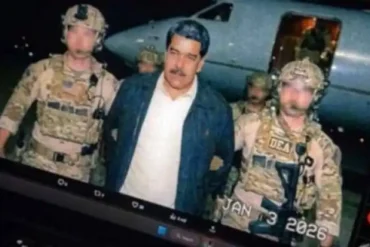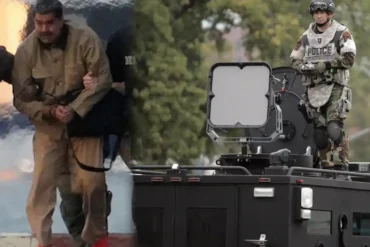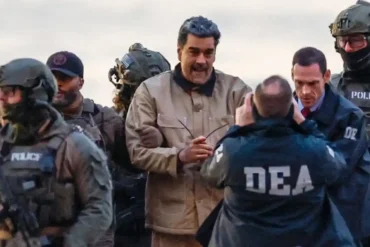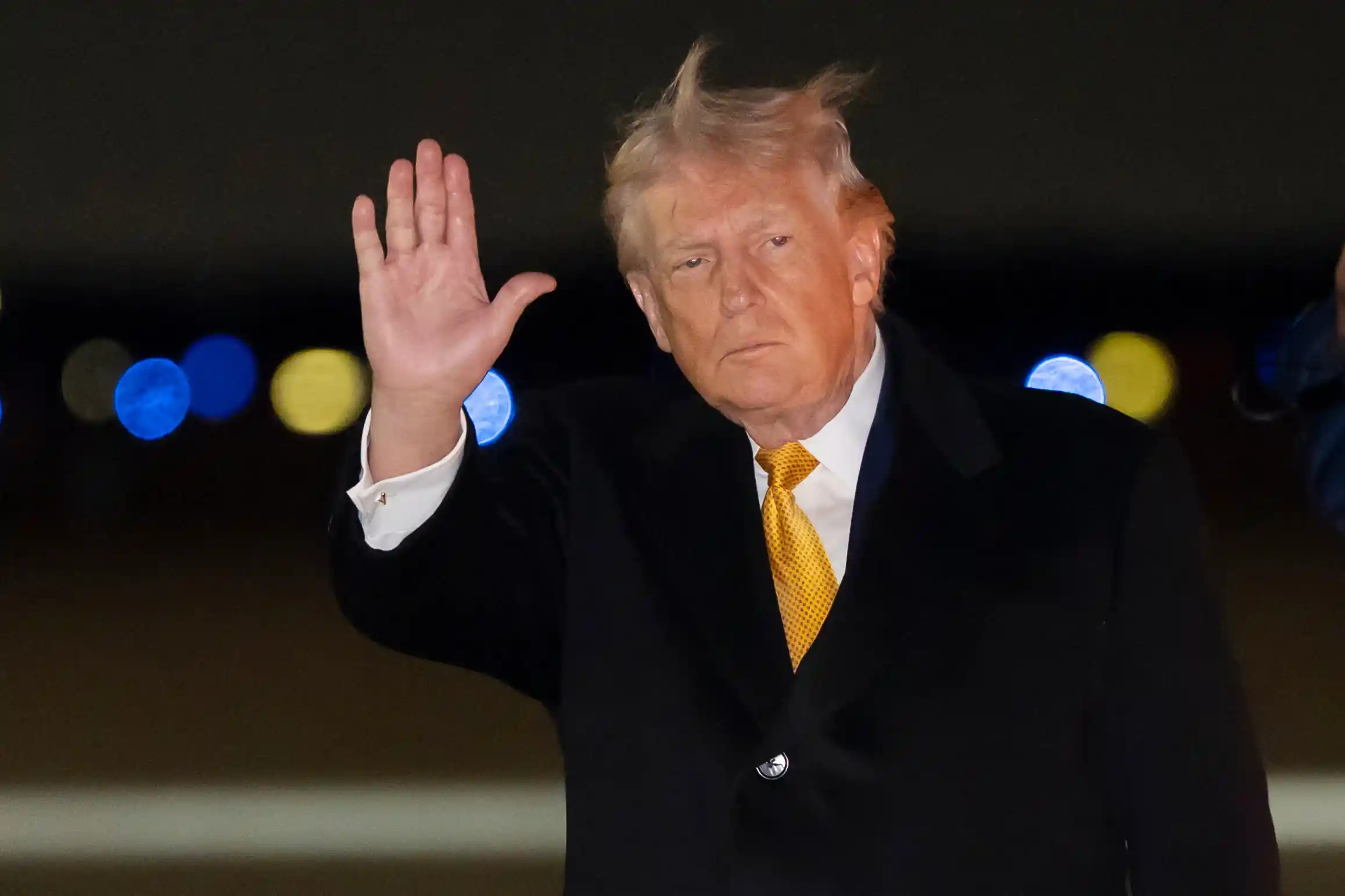
In a dramatic escalation of regional geopolitics, U.S. President Donald Trump has sounded a dire warning regarding Cuba’s fragile future, just days after a high-stakes U.S. military raid led to the capture of Venezuelan President Nicolás Maduro. The bold maneuver, carried out under a veil of secrecy and precision, not only shook Venezuela’s power structure but also sent shockwaves through Havana, signaling a turning point for the region’s longstanding political alliances.
Cuba in Crisis: A Lifeline Severed
During a high-profile meeting with top oil executives at the White House, Trump declared in unequivocal terms that Cuba is “in bad shape”. With Venezuela’s oil and financial support abruptly severed following Maduro’s capture, Cuba, long dependent on this alliance, stands at a precarious economic and political crossroads.
For decades, Venezuela has served as Cuba’s primary benefactor, supplying subsidized crude oil and much-needed funds in exchange for Havana’s provision of doctors, military advisors, and intelligence operatives. With that crucial support vanishing overnight, Cuba now faces mounting fuel shortages, crumbling infrastructure, and economic isolation.
“Cuba relied on Venezuela for oil and for money, and nobody really knows what’s going to happen with Cuba. They’re doing very poorly,” Trump said.
Maduro’s Capture: A Devastating Blow to Cuban Intelligence
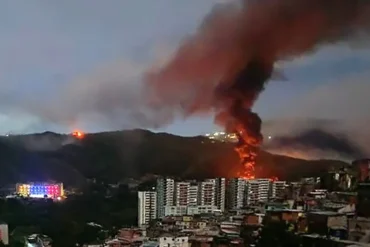
The U.S. military’s successful extraction of Maduro from a Venezuelan military compound—an operation that relied on stealth drones, real-time surveillance, and insider intelligence—was not only a victory for U.S. interests but a humiliating defeat for Cuba’s elite security apparatus. Of the 55 personnel killed in the raid, 32 were Cuban soldiers, including 21 from Cuba’s powerful interior ministry, which oversees the country’s intelligence services.
Cuba had long embedded intelligence agents and bodyguards within Maduro’s security circle, mirroring the strategy used during the reign of Hugo Chávez. Yet, the rapid success of the raid underscored serious intelligence failures. According to defense analysts, Cuba grossly underestimated the likelihood of a U.S. incursion, falsely believing that Washington would refrain from direct military action on Venezuelan soil.
“Cuban intelligence convinced the Maduro regime and its agencies that the United States would never attack on Venezuelan territory,” said José Gustavo Arocha of the Center for a Secure Free Society.
Surprise, Secrecy, and Stealth: How the Operation Succeeded
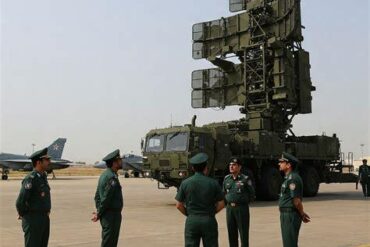
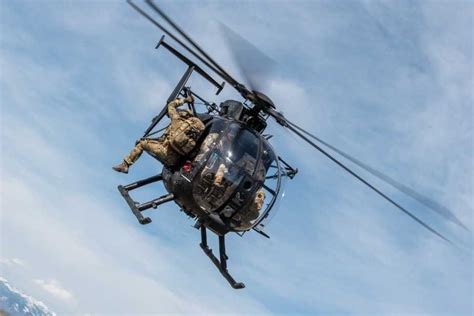
The hallmark of the U.S. raid was its uncompromising secrecy and surgical execution. Months of covert planning culminated in a helicopter-borne strike that bypassed Venezuela’s air defenses with surgical precision. The element of surprise was decisive. Former CIA officer Fulton Armstrong noted that even a brief advance warning “would have made a massive difference” in thwarting the operation.
What made the raid even more devastating was the reliance on real-time drone surveillance and likely human intelligence from inside Maduro’s inner circle. The New York Times reported that a CIA informant within the Venezuelan government pinpointed Maduro’s location, enabling the precise timing of the mission. The lure? A staggering $50 million reward offered by the U.S. government for information leading to Maduro’s capture.
Cuban Intelligence Unmasked: The End of an Aura
For over half a century, Cuba’s intelligence services have cultivated an almost mythical reputation. Trained by the Soviet KGB and operating with ruthless efficiency, they claimed to have foiled over 600 assassination attempts on Fidel Castro, and infiltrated some of the world’s most secure intelligence networks. That veneer of invincibility now lies in ruins.
Perhaps the most glaring example of Cuba’s prowess—and recent embarrassment—was the case of Victor Manuel Rocha, a former U.S. diplomat convicted in 2024 for having operated as a deep-cover Cuban spy for over 40 years. While such victories cemented Havana’s status as a regional intelligence heavyweight, the Maduro debacle reveals how outdated tactics and overconfidence crippled their capabilities.
“All the capabilities of Cuban intelligence were blocked for the first time in the region… because their traditional methods became irrelevant against this new decision-making style,” Arocha emphasized.
Geopolitical Shifts: Trump’s Strategy to Redefine Latin America
The Trump administration’s National Security Strategy, released just weeks before the raid, made it clear: Washington intended to reassert dominance in Latin America. Trump’s decision to act unilaterally, bypassing Congressional approval, demonstrates his willingness to defy international norms and redraw the geopolitical map by force.
For Havana, the implications are devastating. Without Maduro and Venezuela’s oil, Cuba faces heightened domestic unrest, already visible through recent waves of street protests. With its intelligence community discredited and its allies under siege, the ruling regime in Havana is more vulnerable than at any time since the fall of the Soviet Union.
The End of the Caracas-Havana Axis?
The raid may well mark the death knell for the Cuba-Venezuela alliance, a partnership forged in the early 2000s under Chávez and Fidel Castro. This axis propped up leftist movements across Latin America, often in opposition to U.S. interests. With Maduro removed and his Cuban protectors exposed and eliminated, the region’s political landscape is undergoing a seismic realignment.
Paul Hare, a former British ambassador to Cuba and Venezuela, notes that Havana misjudged the Trump doctrine—failing to anticipate a leader willing to escalate beyond diplomatic maneuvering. This miscalculation has now left Cuba isolated, vulnerable, and reeling.
In an era where old assumptions no longer hold, Cuba’s future remains profoundly uncertain. The balance of power in the hemisphere has shifted—and the ripple effects are only beginning to unfold.