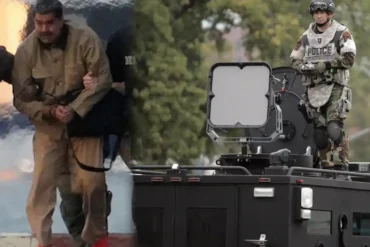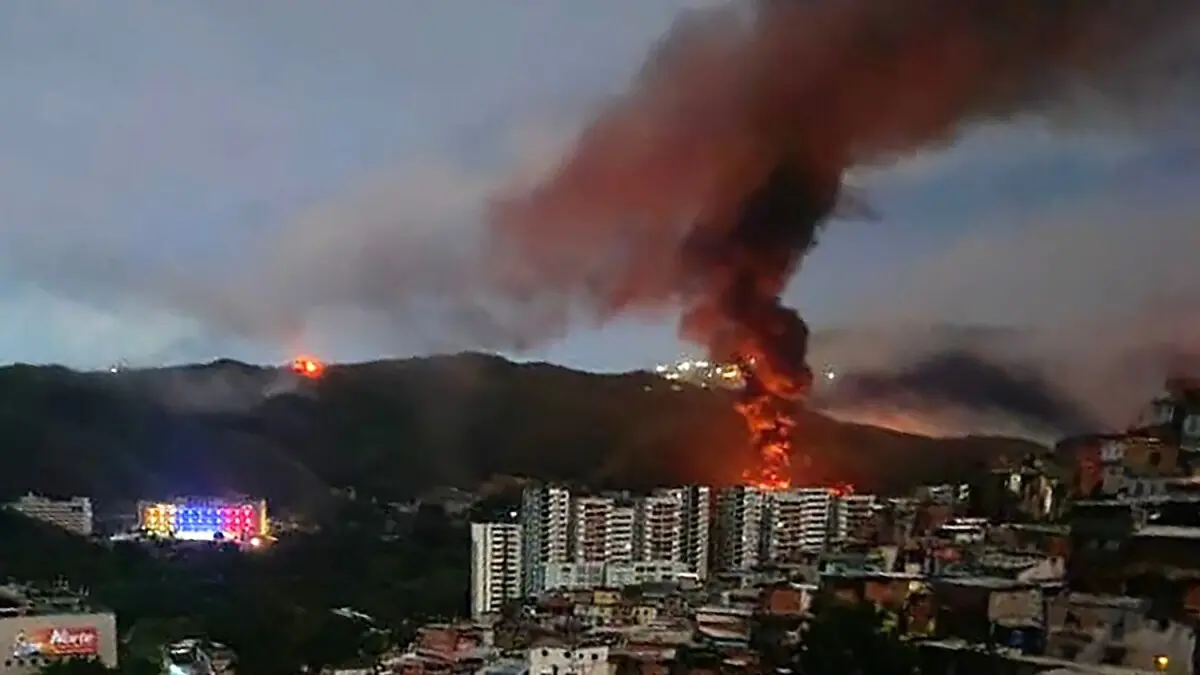
The Caribbean is once again at the epicenter of geopolitical upheaval, as Cuba confirmed the death of 32 military personnel during a dramatic United States military raid in Venezuela. The fallen Cubans were reportedly engaged in combat missions in support of the Maduro regime when US forces launched a surprise operation that resulted in the capture of Venezuelan President Nicolás Maduro and his wife.
Havana Mourns, Honors the Fallen
Cuba’s government, through a somber televised announcement, acknowledged the loss of 32 of its nationals — soldiers who were either part of the Revolutionary Armed Forces or operatives from the Ministry of the Interior. These individuals, Havana clarified, were operating in Venezuela “at the request of counterpart agencies,” a phrase that indicates deep military cooperation between Caracas and Havana.
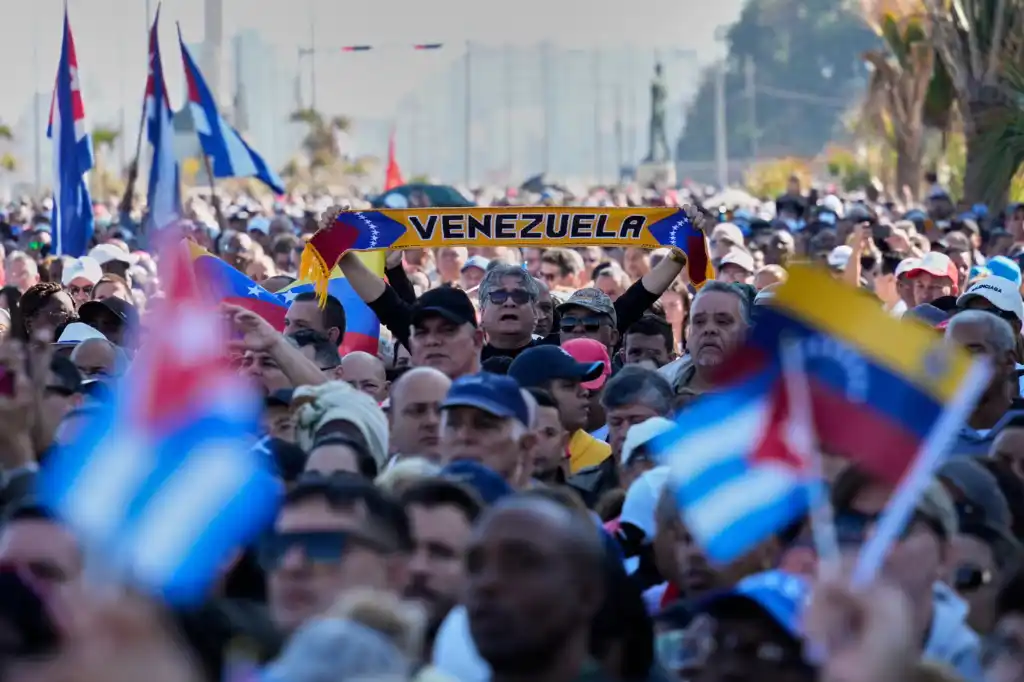
The Cuban statement emphasized that its troops died “with dignity and heroism,” either in direct combat or under US aerial bombardment. President Miguel Díaz-Canel declared two days of national mourning and vowed that Cuba would hold public tributes for the fallen fighters.
“Honor and glory to the brave Cuban fighters who fell facing terrorists in imperial uniform,” Díaz-Canel wrote on social media platform X.
Trump: ‘Cuba Could Fall Next’
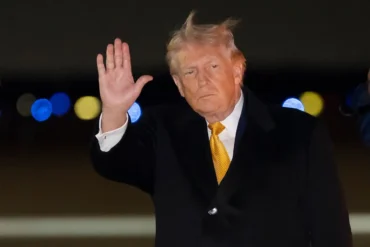
Speaking aboard Air Force One, President Donald Trump revealed new details of the operation, stating bluntly, “a lot of Cubans were killed yesterday.” He claimed the raid targeted Maduro’s Cuban security entourage, which had formed a critical shield around the embattled Venezuelan president.
Trump went further, suggesting Cuba is on the verge of collapse, largely due to the destabilizing effect of losing access to Venezuela’s subsidized oil — the lifeline that has kept Cuba’s economy afloat for decades.
“Cuba is ready to fall,” Trump declared. “I don’t think we need any action. It looks like it’s going down.”
This prediction raises alarm bells in Latin American capitals and within the halls of global diplomacy. Many wonder if the Caribbean island nation, reeling from sanctions, fuel shortages, and growing unrest, can withstand this latest blow to its strategic influence.
Operation: Caracas Shockwave
The US military raid on Caracas, which led to the capture of President Maduro and First Lady Cilia Flores, has drawn a tidal wave of international reactions. The couple is now in federal custody in New York City, facing a raft of charges including drug trafficking and weapons violations.
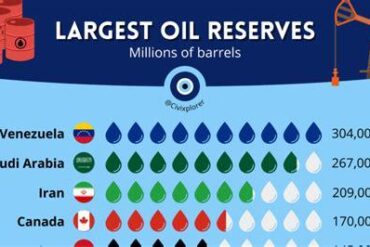
Trump boasted that the United States would now effectively “run” Venezuela, particularly eyeing its immense oil reserves. The aggressive stance has rattled global alliances, with some praising Washington’s decisive action, and others warning of a dangerous precedent.
Global Condemnation and Regional Alarm
The operation has ignited a firestorm of diplomatic backlash, with China, Russia, and Iran leading the charge in denouncing what they call a violation of international law and sovereignty. Each expressed outrage over what they described as state-sponsored imperialism.
- China demanded Maduro’s “immediate release,” accusing the US of trampling UN principles.
- Russia labeled the raid an “illegal abduction” and called for the unconditional release of Venezuela’s “legally elected leader.”
- Iran condemned it as a “flagrant violation” of territorial integrity, while North Korea described it as a “serious encroachment.”
Latin American nations, particularly Mexico and Colombia, have also expressed grave concerns. Colombian President Gustavo Petro warned that the action could spiral into a humanitarian crisis, destabilizing the entire region.
Muted and Mixed Western Response
While several European Union members joined in condemning the US action, citing a breach of international law, others broke ranks. Italy and Israel, both led by Trump-aligned governments, offered strong support for the raid.
- Italian PM Giorgia Meloni called the action “legitimate” and “defensive.”
- Israeli PM Benjamin Netanyahu praised the operation for restoring “freedom and justice.”
- UK PM Keir Starmer issued a lukewarm statement, expressing concern while celebrating the fall of the Maduro regime.
- France displayed a split stance. While Foreign Minister Jean-Noel Barrot criticized the operation, President Emmanuel Macron later stated Venezuelans “can only rejoice.”
The EU’s collective position, barring Hungary, emphasized restraint and democratic processes, but did not call for Maduro’s return to power.
UN & Vatican Weigh In
United Nations Secretary-General Antonio Guterres voiced deep alarm, cautioning that the raid could set a “dangerous precedent” for future conflicts. His office warned of the erosion of international norms.
Meanwhile, Pope Leo XIV urged all parties to prioritize the “welfare of the beloved Venezuelan people”, calling for peace and dialogue amid escalating tensions.
A New Government in Waiting?
In a surprising twist, Venezuela’s interim president Delcy Rodríguez — formerly vice president under Maduro — signaled a possible thaw in relations with Washington. Rodríguez publicly called for a “balanced and respectful” relationship and invited the US to cooperate on a shared development agenda.
The future of Venezuela now hangs in a delicate balance. With Maduro removed, discussions have turned to opposition leader María Corina Machado, though Trump has dismissed her as a potential successor, suggesting US interests may guide the transitional phase.
Implications for Cuba: A Regime on the Brink?
For decades, Cuba and Venezuela have operated in strategic lockstep, exchanging intelligence, oil, and military support. The sudden collapse of Maduro’s grip raises existential questions for Havana’s Communist regime, long propped up by Caracas.
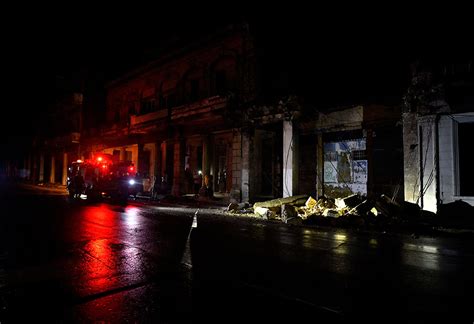
US intelligence sources suggest Havana’s elite are bracing for economic shockwaves. Without Venezuelan oil, Cuba could face crippling energy shortages, reigniting popular dissent that has simmered beneath the surface since the 2021 protests.
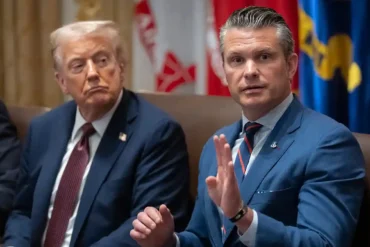
“The Havana regime is naked now,” a senior Pentagon official reportedly stated. “They’ve lost their strongest ally and are staring down the barrel of isolation.”
Trump’s hint that no military action may be necessary in Cuba has fueled speculation about whether the US plans to capitalize on internal dissent or let the economic gravity do the work.
The Road Ahead: Crisis or Collapse?
The geopolitical tremors from the US raid on Venezuela are reshaping alliances, stirring old rivalries, and testing the boundaries of international law. As Washington flexes its military might, questions loom over what constitutes legitimate intervention — and whether the world is witnessing the dawn of a new doctrine of regime change.
Cuba’s mourning is not just for the 32 soldiers who perished. It is for a vision of regional solidarity that may be crumbling under the pressure of geopolitical tides. As Havana braces for what may come next, the Western Hemisphere holds its breath.
The end of Maduro’s reign may only be the beginning of a much larger, more volatile chapter.