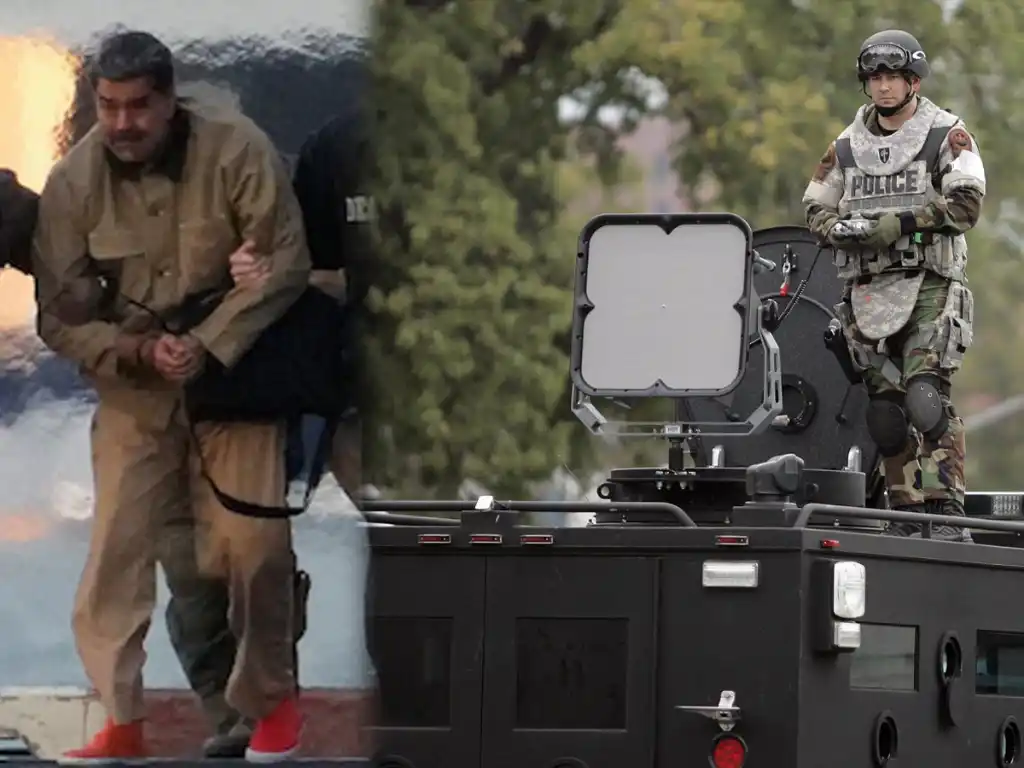
The account that erupted across global media channels describes a military operation so swift and technologically asymmetric that it has already entered the realm of modern warfare legend. According to a detailed witness narrative circulated on X and amplified by senior U.S. officials, a U.S. military raid on Venezuela unfolded with surgical speed, leaving President Nicolás Maduro captured and his elite protective forces devastated. What distinguishes this account is not merely the political consequence, but the alleged use of a sonic or directed-energy weapon that rendered hundreds of armed defenders helpless within seconds.
We examine this episode not as rumor or spectacle, but as a case study in how contemporary military doctrine leverages electronic warfare, drone swarms, and precision special operations to collapse conventional defenses before they can react. The narrative, attributed to a Venezuelan security guard present during the assault, provides a rare ground-level description of what such an engagement looks like when one side controls the electromagnetic spectrum.
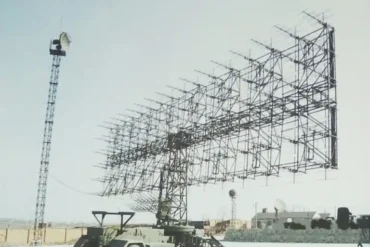
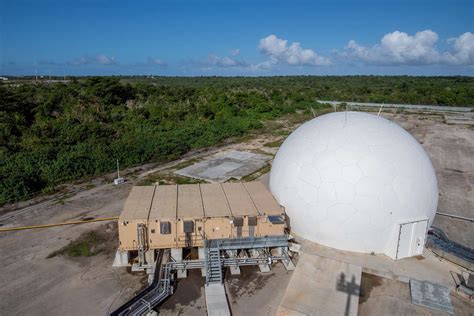
According to the testimony, the operation began in eerie silence. Radar systems failed simultaneously, communications collapsed, and no incoming aircraft were detected. This moment of systemic blindness, described as instantaneous and total, set the stage for what followed: the sudden appearance of multiple unmanned aerial vehicles, maneuvering in coordinated patterns unfamiliar to Venezuelan forces trained against older-generation threats.
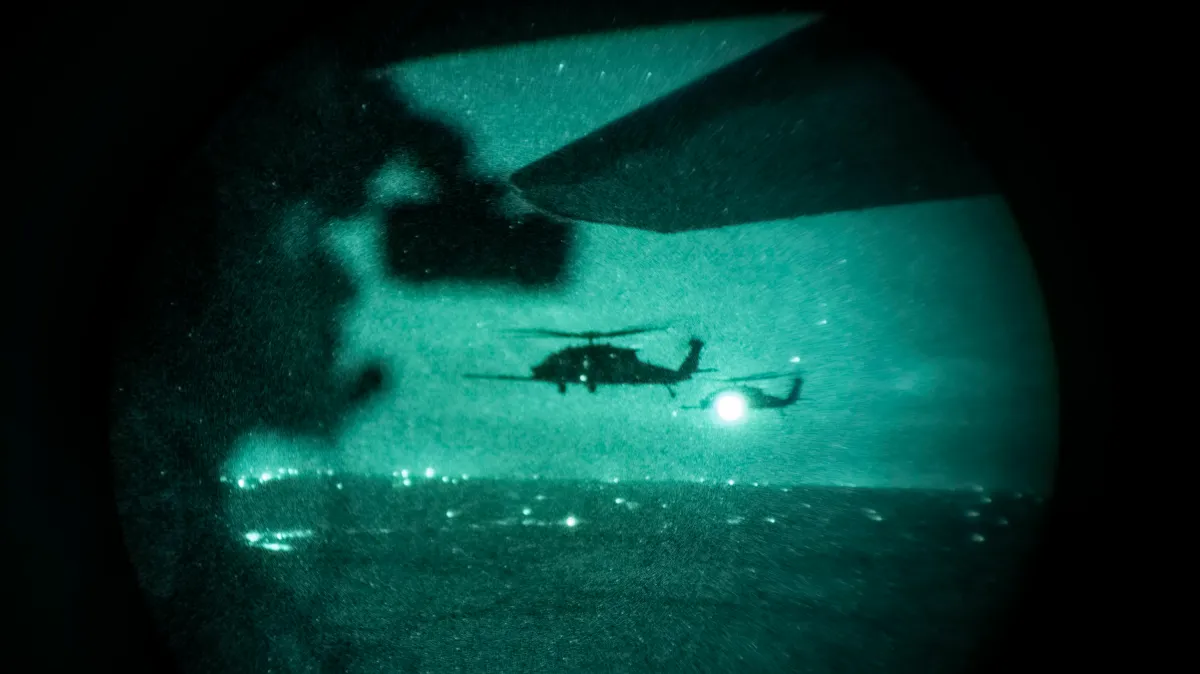
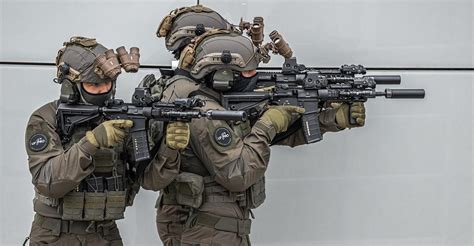
The drones were not immediately destructive. Their role, as inferred from the account and later expert commentary, appears to have been disorientation and suppression. Moments later, a small number of helicopters entered the airspace. Fewer than ten rotary-wing aircraft reportedly deployed roughly twenty operators. The numerical imbalance was extreme. Yet the witness emphasizes that these soldiers moved with confidence, speed, and a level of integration with their technology that made resistance futile.
The engagement itself is described as brutally brief. Venezuelan personnel, numbering in the hundreds, attempted to respond but found their weapons ineffective against an enemy firing with extraordinary accuracy and sustained rate. The security guard recounts the sense that each attacker delivered hundreds of rounds per minute, not through volume alone, but through coordinated fields of fire that denied any opportunity to regroup.
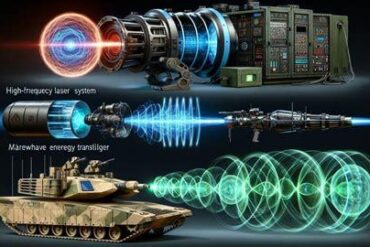
The most disturbing element of the account emerges at the moment conventional combat ceased to matter. The witness describes the deployment of an unseen force, experienced as an overwhelming pressure and sound rather than an explosion. Within seconds, defenders reportedly suffered intense cranial pain, loss of balance, and internal bleeding symptoms including nosebleeds and vomiting blood. Soldiers collapsed en masse, incapacitated without visible wounds.
This phenomenon has been widely interpreted as the possible use of a directed-energy or sonic weapon, long discussed in defense research but rarely acknowledged in battlefield conditions. While official confirmation remains absent, independent analysts have weighed in. Author and researcher Robert W. Malone stated publicly that radar jamming and drone deployment are well-established capabilities, and that a sound-directed energy system is “reasonably likely” within current U.S. military inventory.
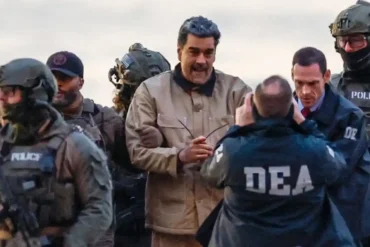
The strategic logic is clear. A weapon that incapacitates rather than annihilates allows elite units to move freely through previously hostile territory, achieve their objective, and withdraw without sustained firefights. In this case, the objective was the extraction of President Maduro, reportedly seized from his residence following the neutralization of his presidential guard.
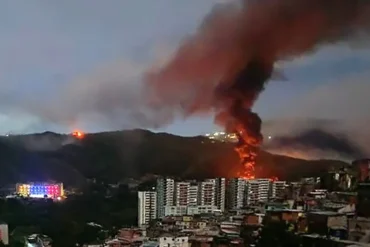
Subsequent disclosures from regional governments added grim detail. Venezuelan Defense Minister Vladimir Padrino López stated that the presidential guard was largely wiped out during the assault. Cuban authorities released the names of 32 Cuban military personnel killed, including senior interior ministry officers. Venezuelan sources acknowledged the deaths of 23 national service members, while other reports place the total casualty figure higher when including specialized units embedded for Maduro’s protection.
The involvement of Cuban forces underscores the geopolitical weight of the operation. Maduro’s security architecture relied heavily on foreign-trained and foreign-loyal elements, a fact that transformed the raid from a domestic intervention into a regional shock event. Across Latin America, military planners reportedly began reassessing assumptions about deterrence and technological parity.
The witness concludes with a warning rather than a grievance. His message is stark: confrontation with the United States under modern conditions is not a contest of manpower or courage, but of systems, integration, and invisible force multipliers. The psychological impact of that realization may outlast the physical damage inflicted in Caracas.
Whether every detail of this account withstands future verification remains to be seen. What is beyond dispute is that the narrative has altered perceptions of what a 21st-century military raid can entail. Silent disruption, overwhelming sensory dominance, and minimal troop deployment now define the upper edge of operational capability. For Venezuela and the wider region, the sonic echo of that night continues to reverberate.