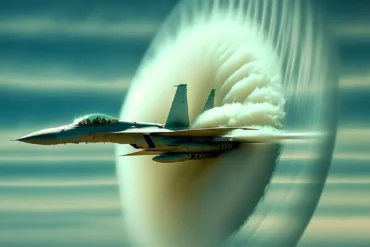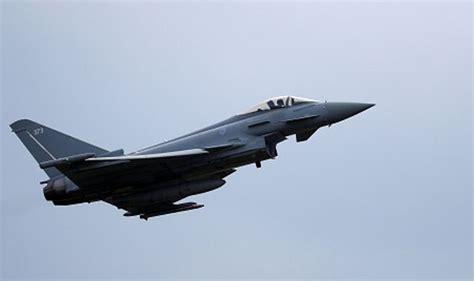
In a dramatic display of military readiness, a Royal Air Force Eurofighter Typhoon created a powerful sonic boom over southern England as it raced to intercept a private jet that had lost communication with air traffic control. The incident unfolded on a clear afternoon when startled residents across counties including Essex, Cambridgeshire, and Hertfordshire reported a loud explosion-like noise that rattled windows and set off alarms.
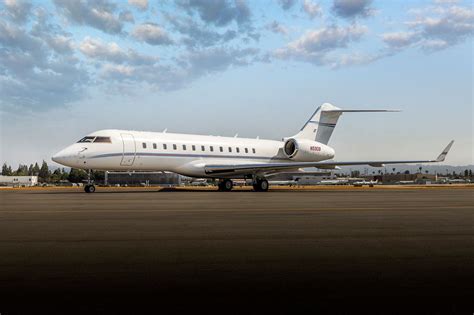
The aircraft at the center of the event was identified as a Bombardier Global Express, bearing the registration T7-SGH and operated by Empire Aviation of Dubai, United Arab Emirates. According to flight tracking data, the jet had departed from Nice, France, and was scheduled to land at London Stansted Airport (STN). However, after passing its approach point without establishing radio contact, the situation triggered the RAF’s Quick Reaction Alert (QRA) protocol, prompting the Typhoon scramble.
The High-Speed Intercept
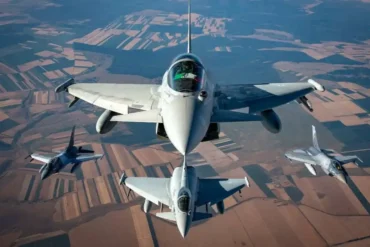
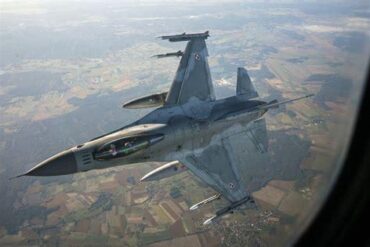
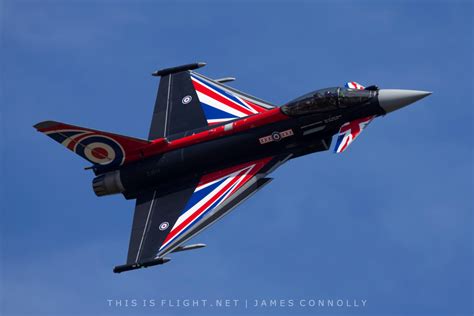
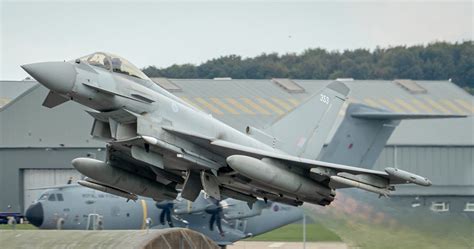
The Eurofighter Typhoon, one of the RAF’s most advanced multirole combat aircraft, was launched from RAF Coningsby in Lincolnshire. Within minutes, it had crossed southern England at supersonic speed, producing the thunderous sonic boom. Eyewitnesses reported the noise as “earth-shaking” and described the rapid appearance of a gray jet streaking across the sky. Some mistook the sound for an explosion before confirmation came from authorities.
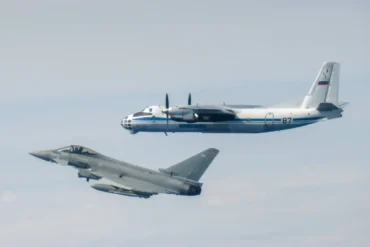
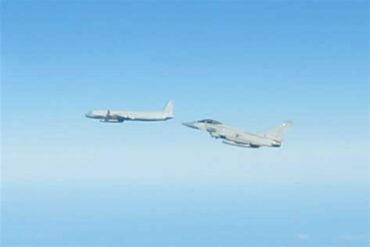
The Typhoon quickly intercepted the Bombardier Global Express, positioning itself alongside the private jet to establish visual communication and ensure the crew’s compliance. After circling over the Essex area, the private jet eventually landed at 12:11 local time at Stansted Airport, guided by air traffic controllers and closely shadowed by the Typhoon.
Once on the ground, the aircraft was escorted by an operations vehicle to a remote section of the airport, away from passenger terminals. This measure reflects Stansted’s unique role as the designated UK airport for managing potential security threats.
Stansted Airport’s Security Role
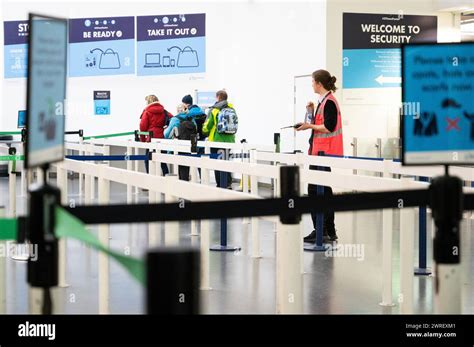
London Stansted Airport holds a distinctive place in UK aviation security strategy. Unlike Heathrow or Gatwick, Stansted is used as the primary diversion airfield for intercepts involving suspect or unresponsive aircraft. Its location in Essex makes it accessible to military bases in Suffolk and Lincolnshire, ensuring a rapid response while minimizing disruption to central London. The airport has designated isolated stands to contain intercepted aircraft while authorities assess the situation.
An official statement from Stansted Airport confirmed the aircraft’s safe landing and reassured passengers: “A private aircraft was escorted to London Stansted by an RAF Typhoon earlier today. It landed safely, was met by police, and the incident has now been stood down. The airport is operating as normal.”
Why the RAF Breaks the Sound Barrier
Breaking the sound barrier over land is normally prohibited in the UK, due to the disruptive effects of sonic booms. However, military aircraft responding to emergencies are granted exceptions. The Quick Reaction Alert system is central to the RAF’s air defense strategy, designed to protect the country’s airspace from potential intrusions, hijackings, or communication failures.
The process begins at the Control and Reporting Centre (CRC) at RAF Boulmer, where radar operators monitor the Recognised Air Picture (RAP). If an aircraft poses a potential threat or loses contact, the information is relayed to the National Air and Space Operations Centre (NASOC) at RAF High Wycombe. From there, orders are issued to Typhoon units at RAF Coningsby or RAF Lossiemouth. Pilots are on standby around the clock, ready to take off within minutes.
In this case, once the Global Express failed to establish communication on approach, the QRA order was executed. RAF controllers at Swanwick, working closely with civilian counterparts, vectored the Typhoon to intercept the jet along the most direct route.
Essex Police and Ground Operations
Essex Police confirmed that the private jet had temporarily lost radio contact, triggering the intercept. After communication was restored and checks completed, officers determined that the incident posed no threat. Passengers and crew were processed discreetly, and the aircraft was parked in Stansted’s secure zone. Officials emphasized that the response was precautionary and consistent with established protocols.
This swift conclusion highlights the seamless coordination between the RAF, air traffic controllers, airport security, and police forces. The exercise demonstrates not only the readiness of UK air defense but also the importance of civilian-military cooperation in maintaining safety.
Technical Details: Eurofighter Typhoon
The Eurofighter Typhoon FGR4, the variant deployed in this mission, is a highly versatile aircraft capable of both air-to-air and air-to-ground roles. Its specifications highlight why it is the cornerstone of the RAF’s defensive capability:
- Top Speed: Mach 2 (over 1,500 mph)
- Service Ceiling: 55,000 ft
- Range: 1,800 miles (with external fuel tanks)
- Engines: Two Eurojet EJ200 turbofans producing 20,000 lbs thrust each
- Armament: Advanced air-to-air missiles, precision-guided bombs, 27mm Mauser cannon
The Typhoon’s supersonic speed ensures it can reach almost any point in UK airspace within minutes, a critical advantage during time-sensitive intercept missions.
The Intercepted Aircraft: Bombardier Global Express
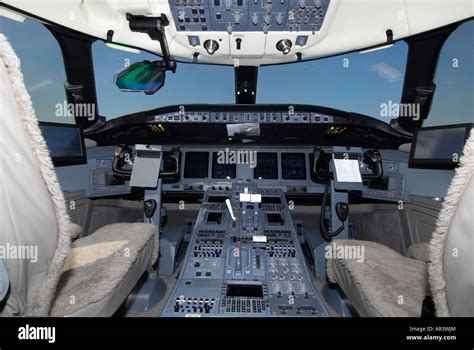
The intercepted private jet was a Bombardier Global Express, a long-range business jet favored by corporations and VIP clients worldwide. Manufactured in Canada, it offers luxurious interiors, cutting-edge avionics, and impressive range capabilities. Key details of the aircraft include:
- Range: 6,000 nautical miles
- Cruise Speed: Mach 0.89
- Capacity: Typically 8–14 passengers
- Operator: Empire Aviation, Dubai
The aircraft had been en route to London Stansted from Nice, France, a popular route for business aviation. Its temporary communication loss, though rare, can occur due to technical malfunctions or miscommunication with controllers.
Public Reaction to the Sonic Boom
Residents across the southeast of England flooded social media with reports after hearing the boom. Many described it as a terrifying sound that shook homes and caused confusion. One witness said: “It was definitely a sonic boom, and I tell you what, it scared the life out of me.” Similar sentiments were echoed in communities as far apart as Cambridge and Bedfordshire.
While disruptive, sonic booms are a small price for ensuring national security. The RAF emphasized that such incidents remain rare and occur only when the safety of UK airspace requires immediate action.
Historical Context of RAF Intercepts
This is not the first time RAF Typhoons have scrambled to intercept private or commercial aircraft. Over the past decade, several high-profile incidents have required supersonic interception, usually when an aircraft loses contact due to radio failure or suspected hijacking. Stansted Airport has repeatedly been the focal point for such landings, given its security infrastructure and geographic location.
During the Cold War, RAF fighters frequently intercepted Soviet aircraft probing UK airspace. Today, while the geopolitical context has shifted, the QRA system remains just as vital, protecting against modern threats ranging from terrorism to technical anomalies.
The Balance Between Security and Civilian Disruption
The sonic boom over southern England reignited debate about the impact of supersonic intercepts on communities. While many support the RAF’s rapid response capability, others raised concerns about the disruption caused by sudden loud noises over populated areas. Authorities continue to emphasize that breaking the sound barrier is used sparingly and only when no alternative exists.
Conclusion: A Reminder of Constant Vigilance
The sonic boom over the UK served as a vivid reminder of the RAF’s vigilance in safeguarding national airspace. What began as a routine flight from France quickly escalated into a dramatic intercept, involving one of the most advanced fighter jets in the world. Thanks to coordinated efforts between the RAF, air traffic controllers, Stansted Airport, and Essex Police, the situation was resolved safely and efficiently.
While startling to those on the ground, the incident underscores the importance of maintaining a robust air defense posture in an era of unpredictable risks. For many, the thunderous crack of the sonic boom was an unwelcome surprise. For the RAF, it was proof that the skies above Britain remain under constant protection.