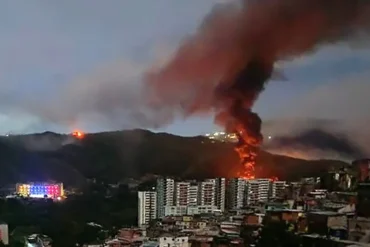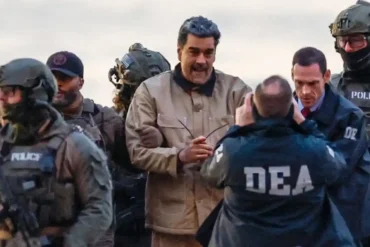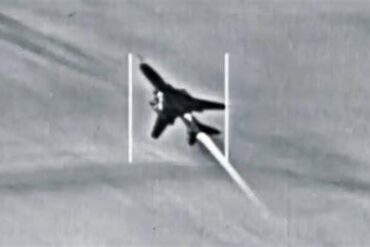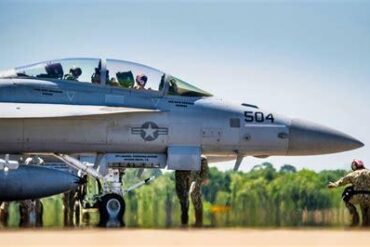
The recent news of 83 deaths following U.S. military operations in Caracas has sent shockwaves through the international community. Venezuela’s Defense Minister, Vladimir Padrino Lopez, has confirmed the tragic toll from an attack that began with bombings and ended with a high-stakes raid by U.S. special forces. The attack targeted military facilities, culminating in an attempt to capture Venezuelan President Nicolás Maduro and his wife, Cilia Flores. The raid, known as ‘Operation Absolute Resolve,’ employed advanced military tactics and weaponry, leading to one of the deadliest confrontations Venezuela has experienced in recent years.
The Casualties: A Devastating Loss of Life
Venezuela’s Ministry of Defense initially reported 23 deaths following the attack. However, as more details emerged, this figure was revised upward, with the final toll standing at 83. Among those killed were 47 soldiers, including nine women. A significant portion of the casualties—32 soldiers—were Cuban nationals, many of whom had been assigned to protect the Maduro family. These Cuban soldiers, allies of the Venezuelan regime, were part of a larger coalition that had been actively involved in Venezuela’s military operations and its defense strategies.
Padrino Lopez also shared that over 112 people were injured in the raid, which had a devastating impact on both the Venezuelan military and its allied forces. The attack was launched with bombing raids on military targets, followed by a daring helicopter assault by U.S. special forces. Their mission: to seize Maduro and his wife from a compound in Caracas.
The precise nature of the injuries and deaths has caused further grief, as Interior Minister Diosdado Cabello revealed that DNA identification is being used to identify victims, some of whom had been blown to “little pieces.” This haunting description highlights the brutality and technical precision of the U.S. operation, leaving the nation in mourning and shock.
The Operation: A Dark and Deadly Assault
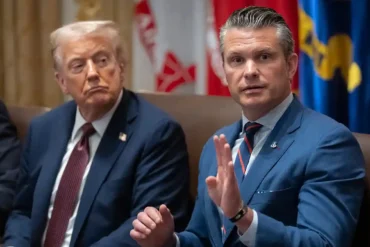
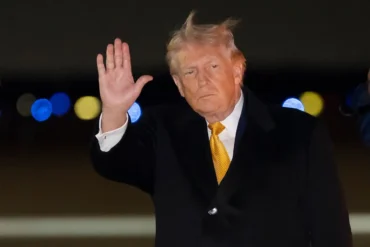
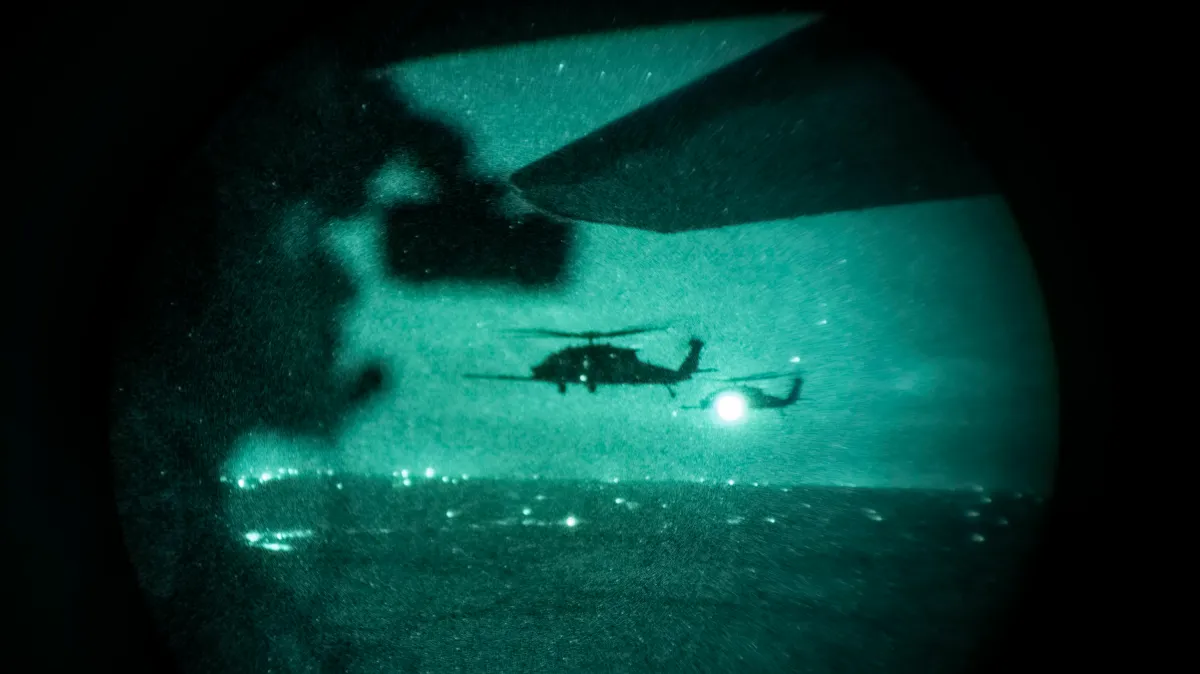
The U.S. military operation, codenamed ‘Operation Absolute Resolve,’ was carried out with remarkable coordination across multiple domains—land, air, sea, space, and cyber. President Trump, during a press conference at his Mar-a-Lago estate, referred to the operation as “dark” and “deadly.” He emphasized the meticulous planning that allowed the assault to unfold with minimal warning.
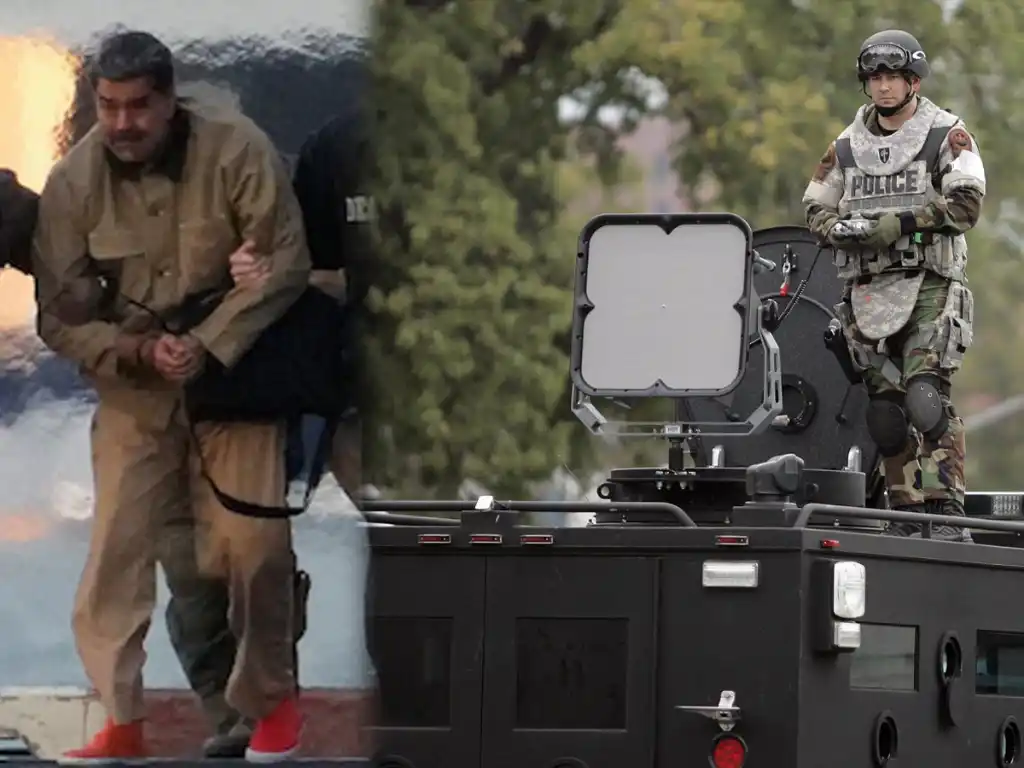
Trump remarked on the unusual darkness of the operation, noting that the lights of Caracas were largely turned off as part of a tactical maneuver to obscure U.S. military movements. The use of advanced technology and weapons during the operation has raised questions about the methods employed by the U.S. military. According to some sources, the operation might have involved directed-energy weapons, a technology that is capable of causing severe physical harm, such as bleeding, burning, and debilitating pain. These types of weapons have been in the U.S. military’s arsenal for decades, though they are rarely used in combat situations.
The operation’s purpose was clear: to extract Maduro from power by seizing him and his wife, Cilia Flores. U.S. special forces conducted a helicopter raid to capture the Venezuelan leader, reflecting a strategy that prioritized speed and precision. However, the operation’s fallout, both in terms of human casualties and regional instability, remains a significant concern for many in the international community.
Trump’s 2017 Venezuela Invasion Plan: A Distant Echo of Military Aggression
The military operation in Venezuela has brought renewed attention to the possibility of U.S. intervention in the region, particularly a suggestion that was floated by President Donald Trump in 2017. At that time, Trump openly discussed the idea of a military invasion of Venezuela, calling it a potential solution to the country’s ongoing crisis.
Former Colombian President Juan Manuel Santos revealed in an interview that Trump had asked him to convene a meeting of Latin American leaders in New York to discuss Venezuela. According to Santos, Trump casually suggested, “Look at Venezuela, I think it could be fixed quickly with an invasion.” This statement, made in 2017, was part of a broader conversation about the U.S.’s approach to the political crisis in Venezuela.
The proposal was met with widespread criticism from Latin American leaders, including Santos, who strongly opposed the idea of military intervention. Santos argued that such an action would not only be disastrous for Venezuela but also generate significant anti-American sentiment across Latin America. This opposition led Trump to abandon the invasion idea, though he continued to apply pressure on Venezuela through economic sanctions and diplomatic efforts.
Despite the setback in 2017, Trump’s administration later shifted tactics, focusing on the ousting of Maduro by other means. This culminated in the 2026 operation that successfully targeted Maduro and his government. However, the impact of such operations has left many questioning the long-term consequences of U.S. intervention in Venezuela. Critics, including Santos, have raised concerns about the implications of sidelining Venezuela’s opposition and instead working with figures like Delcy Rodriguez, the interim president, and former deputy to Maduro.
A Regional and Global Impact
The U.S. military operation in Caracas has reverberated beyond Venezuela’s borders, with regional and global implications that could reshape geopolitics in Latin America. For many, the attack is a reminder of the delicate balance of power in the region and the dangers of foreign intervention in sovereign nations. While the U.S. government has portrayed the raid as a necessary action to restore stability and address drug trafficking concerns, the human cost of the operation cannot be ignored.
For Venezuela, the attack has been devastating both in terms of loss of life and the damage to its military and political standing. The question of whether the U.S. can sustain its strategy in Venezuela without escalating tensions with neighboring countries remains a critical issue moving forward. As international reactions to the operation continue to unfold, it is clear that this is not merely a local conflict but one with far-reaching consequences for global politics.
As the situation in Venezuela continues to evolve, the world watches closely, uncertain about the next steps in the ongoing struggle for control and stability within the nation.