In recent weeks, British holidaymakers heading for Spain have been met with a serious health warning as two neighborhoods in the province of Almería have reported an infestation of virus-carrying mosquitoes. The West Nile virus (WNV) is at the center of this alarming outbreak, prompting the Andalusian Health Department to elevate the alarm level to high. This viral infection poses serious health risks, leading to severe neurological diseases that can be fatal. Spain’s hot and humid summers create the perfect breeding ground for mosquitoes, and with climate change and urban development further exacerbating the issue, the risk of transmission has become a pressing concern.
In the past year alone, the West Nile virus has caused significant unease within the country, resulting in 20 fatalities reported to health authorities. This surge in cases has led to the implementation of cautionary guidelines aimed at preventing further spread of the virus among both residents and tourists.
The Risk of West Nile Virus in Spain
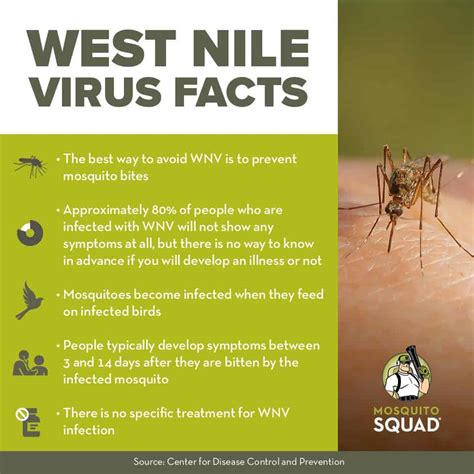
Understanding how the West Nile virus spreads is crucial for those planning to visit Spain. The virus is primarily transmitted to humans through the bite of an infected mosquito. These mosquitoes typically feed on birds carrying the virus, which they then transmit to humans. While many individuals infected with WNV may remain asymptomatic, a significant percentage can experience severe illness. Symptoms of West Nile fever include fever, fatigue, nausea, headache, and body aches. Although these symptoms are generally manageable, approximately 1 in 150 people who contract the virus may develop more severe forms of the disease, leading to conditions such as encephalitis, meningitis, and paralysis.
According to the World Health Organization (WHO), the most vulnerable groups include the elderly—particularly those over the age of 50—and individuals with compromised immune systems. It is important to note that while the virus can cause severe neurological conditions, such occurrences are relatively rare, providing a glimmer of reassurance amidst the worrying outbreak.
Mosquitoes in Almería: What Tourists Should Know
The municipalities of Retamar-El Toyo and El Alquián in Almería, home to around 17,000 residents, are currently experiencing a marked increase in mosquito activity. In response to the detection of infected mosquitoes in these areas, local health authorities have intensified their efforts to curb the virus’s spread. Surveillance programs have expanded significantly to monitor both birds and mosquitoes, aiming to contain any potential outbreaks.
The local government, in collaboration with the Andalusian Health Department, has launched public awareness campaigns and implemented robust mosquito control measures. These efforts include aerial spraying of insecticides and the distribution of mosquito nets to help protect residents and visitors alike. Alongside these measures, both locals and tourists are being encouraged to follow safety protocols to minimize their risk of infection. The outbreak has spurred school campaigns and outreach programs through community pharmacies and nursing services, aimed at educating the public about the virus and its symptoms.
With rising awareness, both residents and visitors are urged to adopt preventive measures to avoid mosquito bites, ensuring a safer experience during their stay in the region.
Health Precautions for UK Tourists
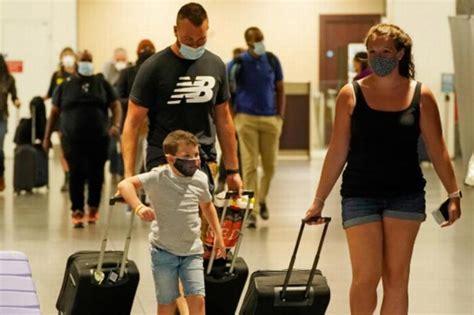
While the situation in Spain has raised alarms, health authorities have reassured the public that with appropriate precautions, the risk of contracting the virus can be significantly minimized. For UK travelers planning to visit Spain, adhering to specific guidelines is essential to safeguard against mosquito bites. Here are the primary precautions recommended:
- Use Mosquito Repellents: Applying insect repellents containing DEET, picaridin, or oil of lemon eucalyptus can significantly reduce the risk of mosquito bites. It is crucial to reapply these products regularly, especially if spending extended periods outdoors.
- Wear Protective Clothing: Long sleeves, trousers, and light-colored clothing help reduce exposed skin. Additionally, treating clothes with permethrin can offer extra protection.
- Mosquito Nets: When sleeping in mosquito-prone areas, using a mosquito net can prevent bites during the night.
- Avoid Peak Mosquito Activity: Mosquitoes are most active during dawn and dusk, so limiting outdoor activities during these times can significantly lower exposure to infected insects.
- Eliminate Standing Water: Since mosquitoes breed in standing water, travelers should check their accommodations and surrounding areas for stagnant water sources, such as flower pots or containers, and eliminate them.
Local Measures and Government Actions
The Spanish government has taken proactive measures to combat the spread of the West Nile virus. In addition to mosquito control efforts, heightened surveillance programs have been initiated, alongside a focus on public education regarding the importance of preventing mosquito bites. Health authorities are actively monitoring the situation, providing regular updates and public health alerts.
Local authorities have ramped up efforts in both Almería and other at-risk areas to maintain strict control over mosquito populations. Measures include aerial spraying, public education campaigns, and the provision of vaccines and treatments for individuals who may have been exposed to the virus. These actions are critical in addressing the public health threat posed by the outbreak.
West Nile Virus: A Global Concern
While the current focus is on Spain, the West Nile virus represents a global health concern, particularly in regions where mosquitoes are prevalent. The virus has been reported in numerous countries across Europe, Africa, Asia, and the Americas, with recent outbreaks noted in the United States and various European nations. Currently, there is no vaccine available for the West Nile virus, and treatment remains largely supportive, focusing on alleviating symptoms. In severe cases, hospitalization may be required, especially for those developing neurological complications.
As the risk of WNV continues to rise—especially with the warmer months approaching—travelers are urged to remain vigilant. Health organizations persistently emphasize that avoiding mosquito bites is the most effective defense against the virus.
Conclusion
Amidst growing concerns over heatwaves affecting Spanish tourism, the emergence of the West Nile virus adds another layer of complexity for British tourists planning summer vacations in Spain. Adhering to safety protocols can significantly mitigate the risk of contracting this potentially lethal illness. Although the virus poses low severity to the majority of the population, the serious health risks it presents for vulnerable individuals highlight the importance of being well-informed and taking preventative measures.
Through increased awareness and the adoption of precautionary procedures, British citizens can enjoy their holidays in Spain without undue worry while prioritizing their well-being. By remaining proactive, travelers can contribute to a safer environment for themselves and those around them.