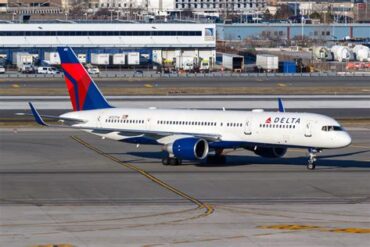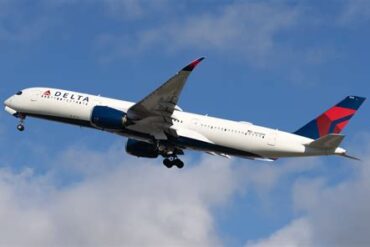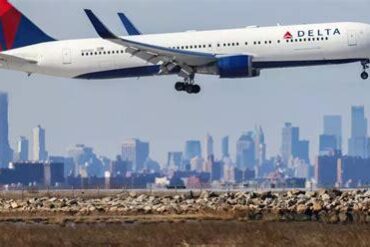
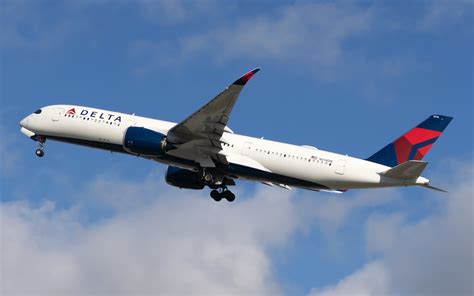
A Delta Air Lines flight en route from Detroit to Los Angeles made an unexpected diversion on the evening of May 26, 2025, after a pet dog onboard became critically ill mid-flight. The aircraft, an Airbus A321-200 registered as N312DN, was operating under flight number DL694 with 181 passengers and six crew members aboard when the crew received an urgent alert from a passenger concerning their ailing canine companion.
The plane had just reached a cruising altitude of 26,000 feet when flight attendants were notified of the medical emergency involving the pet. With no onboard veterinary professional available, the cabin crew acted swiftly, issuing a call for any veterinarian who might be among the passengers. Finding none, the pilots initiated a diversion to the nearest suitable airport, choosing Minneapolis–Saint Paul International Airport (MSP) as the destination to facilitate immediate care for the dog.
Emergency in the Skies: Crew’s Fast Decision Under Pressure
At 8:27 p.m., DL694 departed from Detroit Metropolitan Wayne County Airport (DTW) with clear skies and a routine three-hour flight ahead. However, as the aircraft approached the western edge of Michigan airspace, the unexpected pet emergency prompted a rapid response. Within moments, the aircraft initiated a descent from 26,000 feet, veering westward toward Minneapolis, a move that required coordination with air traffic control and clear communication with both passengers and emergency responders.
The diversion added significant complexity to what began as a standard domestic flight. The flight crew’s priority quickly became ensuring both passenger safety and humane care for the animal. As the jet approached Minneapolis, arrangements were made on the ground for paramedics and airport personnel to be ready at the gate. Upon landing, the affected passenger and their pet were promptly deplaned and attended to by first responders.
Paramedics Meet the Dog Upon Arrival in Minneapolis
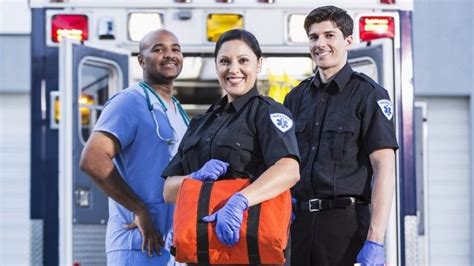
As the jet taxied to a halt at Minneapolis–Saint Paul International Airport, emergency services were waiting. The dog, reportedly in visible distress during the final portion of the descent, was carried out of the cabin with care. According to a statement later issued by Delta Air Lines, the pet was examined by paramedics and eventually recovered without serious complications, bringing relief to both the passenger and the crew.
While Delta is known for its pet-friendly travel policies, this incident marks a rare in-flight medical event involving an animal severe enough to cause a full flight diversion. The company’s response, however, has earned commendation on social media for its compassion and quick action.
Operational Disruption: Arrival in Los Angeles Delayed by Over Two Hours
The diversion and extended layover in Minneapolis caused a delay of approximately two and a half hours. After refueling and confirming all systems were ready for continued flight, DL694 resumed its journey, ultimately arriving at Los Angeles International Airport (LAX) at around 1:00 a.m. on May 27, 2025. Though the passengers experienced a notable schedule disruption, many expressed understanding and empathy regarding the situation.
This unexpected delay not only disrupted passengers’ itineraries but also complicated logistical schedules for Delta’s ground operations in Los Angeles. Red-eye flight connections, late-night ground transportation, and crew scheduling all required rapid re-coordination.
Pet Travel Policies and In-Flight Animal Safety
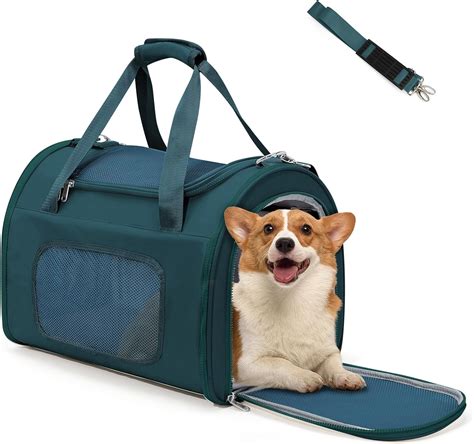
Delta’s policies permit small pets in the cabin, provided they remain in an approved carrier beneath the seat. While animals are generally healthy and cleared for air travel prior to departure, unexpected health events—just like in humans—can occur. However, the airline emphasizes that passengers are responsible for ensuring their pet’s fitness to fly, including hydration, medications if necessary, and consideration for age and breed-specific vulnerabilities.
The incident has sparked renewed public interest in how airlines handle animal health emergencies in-flight. At cruising altitudes where cabin pressure and oxygen levels differ from those at ground level, pets—particularly elderly, snub-nosed, or preconditioned animals—can be at risk.
Delta’s Statement and Public Response
In response to inquiries, a Delta Air Lines spokesperson confirmed the diversion was due to a pet’s medical emergency and emphasized that “the crew followed protocol to prioritize the well-being of the pet and passenger”. Social media reaction was largely positive, with many praising the airline for compassionate action over convenience.
“They could’ve just pushed through to LAX, but instead they showed real humanity,” one Twitter user posted. “I’d rather be delayed than watch someone’s dog suffer.”
Despite some concerns from delayed travelers, the general tone online leaned toward understanding. It also prompted discussions around the need for better in-flight pet support, such as basic pet health kits or tele-veterinary access in the future.
Logistics of a Mid-Flight Diversion
A diversion of this nature is never undertaken lightly. In addition to the fuel costs, route clearance, and airspace negotiations, the airline must ensure that the new airport can handle the unexpected landing logistically—from gate availability to passenger reboarding procedures. Crew availability must also be checked to ensure that duty hours do not exceed Federal Aviation Administration (FAA) limits, especially when delays push into late-night schedules.
Upon arrival in Minneapolis, the flight’s turnaround time was extended to allow proper care for the pet and to give the crew time to reset before continuing. Catering and cabin checks were redone, and the aircraft had to be re-cleared for departure—steps that add operational overhead beyond just the lost flight time.
A Unique Disruption: Dogs, Diversions, and Duty of Care
While weather, mechanical failures, or unruly passengers are common causes of diversions, a sick dog prompting a mid-air detour is rare—and it underscores the airline industry’s evolving focus on passenger experience. Airlines now operate under increasing scrutiny not just for safety but for ethical conduct in all onboard emergencies. Delta’s decision here reflects a broader shift in air travel culture: an emphasis on holistic well-being, even when it involves non-human passengers.
Aviation industry observers note that animal-related diversions, though uncommon, are expected to rise as more people travel with pets. According to Air Transport Association reports, pet travel is up nearly 15% year-over-year, driven by remote work lifestyles, emotional support animal allowances, and increased traveler comfort with in-cabin pet policies.
FAA and Industry Guidelines on In-Flight Animal Care
The Federal Aviation Administration (FAA) does not currently mandate specific medical protocols for animals aboard commercial aircraft, leaving airlines to set internal policies. However, this incident may reenergize conversations around adopting more uniform standards or encouraging optional onboard vet access for long-haul or pet-heavy routes.
For now, the responsibility largely lies with passengers to anticipate their pet’s in-flight needs—though carriers like Delta provide clear guidelines, some travelers are calling for more robust support options, including in-air medical contingency plans for animals.
Conclusion: A Heartfelt Decision with Broader Implications
The story of Delta Flight DL694 is not merely one of delay or inconvenience—it’s a rare glimpse into the intersection of humanity, logistics, and care at 30,000 feet. While the detour added time to an already long journey, it also revealed a side of air travel not often spotlighted: the ethical responsibility airlines hold for every living being on board.
The dog’s survival and subsequent recovery validate the quick thinking of the cabin crew and pilots, whose decision-making under pressure prioritized empathy over expediency. For Delta, the event serves as a public relations moment steeped in goodwill. For the broader aviation community, it raises meaningful questions about the future of pet travel, onboard care standards, and the definition of passenger well-being in the modern skies.