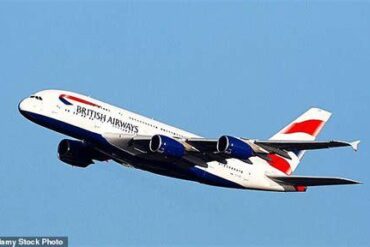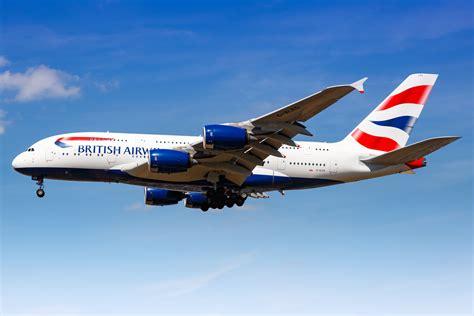
British Airways passengers aboard an Airbus A380 traveling from San Francisco International Airport (SFO) to London Heathrow Airport (LHR) experienced an unexpected interruption on the final stage of their journey after flight BA284 diverted to Birmingham Airport (BHX). Although the aircraft ultimately completed its journey safely, the incident attracted significant attention as conflicting reports emerged over whether the diversion resulted from a medical emergency, severe weather disruption, or a combination of operational factors.
Operating with aircraft G-XLEE, the double-deck superjumbo had almost completed its nearly 11-hour transatlantic crossing when its planned arrival into Heathrow changed unexpectedly. Rather than continuing directly to London, the aircraft entered holding patterns over northwest England before diverting to Birmingham, where it landed safely. Following a brief ground stop, the aircraft departed once again and completed the short flight to Heathrow without further incident.
The event demonstrated how airlines continually adapt to changing operational conditions while placing passenger safety above schedule reliability.
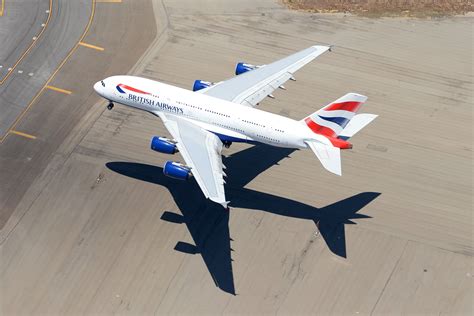
Flight BA284 Entered Holding Patterns Before Diverting
British Airways flight BA284 departed San Francisco on schedule, operating one of the airline’s flagship long-haul services across the Atlantic. The Airbus A380 progressed normally for most of the journey before reaching UK airspace.
As the aircraft approached northwest England, flight tracking data showed it entering several holding patterns near Manchester instead of proceeding directly toward Heathrow. Holding patterns are commonly used by air traffic controllers to regulate arrival traffic, particularly when airports experience congestion or adverse weather conditions.
After remaining airborne for some time, the crew discontinued the planned arrival sequence and diverted south toward Birmingham Airport. The aircraft landed safely without any reported operational difficulties before remaining on the ground only briefly.
Although British Airways has not released an official explanation detailing the reason behind the diversion, reports indicate that operations resumed quickly after landing, allowing passengers to continue their journey to Heathrow later that day.
Medical Emergency Reports Remain Unconfirmed
Early reports from aviation observers and flight-tracking communities suggested that the diversion may have resulted from a medical emergency involving a passenger onboard. According to several accounts, one passenger was reportedly removed from the aircraft during the Birmingham stop before the flight departed once again.
Despite those reports, British Airways has not officially confirmed that a medical emergency prompted the diversion. Without an official statement from the airline, the exact circumstances remain uncertain.
Medical diversions are not unusual in long-haul aviation. Airlines routinely divert aircraft when a passenger or crew member requires urgent medical attention that cannot safely wait until the scheduled destination. Such decisions prioritize health and safety over maintaining the published schedule, particularly on flights lasting ten hours or longer.
Because no official confirmation has been issued, it remains impossible to state definitively whether the reported medical incident alone caused BA284’s diversion.
Heathrow Thunderstorms May Have Added Operational Pressure
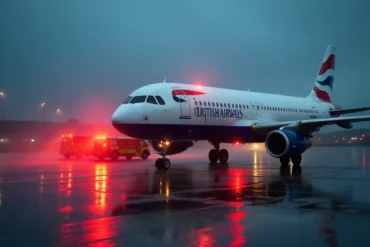
The diversion occurred during a particularly difficult operating day across southern England. Severe thunderstorms disrupted arrival and departure schedules throughout the London airport system, particularly at Heathrow and Gatwick.
Hundreds of flights experienced delays as air traffic controllers managed reduced arrival rates caused by unstable weather. Aircraft approaching Heathrow frequently entered holding patterns while waiting for landing slots, and some flights required alternate airport planning due to extended delays.
Given these conditions, aviation analysts have suggested that weather-related congestion may also have influenced BA284’s routing decision. Even if the original trigger involved a medical issue, deteriorating operational conditions around Heathrow could have reinforced the decision to divert to Birmingham.
At present, no official evidence confirms whether weather, congestion, or another operational factor directly contributed to the diversion. The available information suggests multiple circumstances may have influenced the crew’s decision-making process.
Birmingham Airport Received an Uncommon Airbus A380 Visitor
The arrival of a British Airways Airbus A380 at Birmingham represented an unusual sight for aviation enthusiasts and airport visitors.
While Birmingham Airport possesses infrastructure capable of accommodating the world’s largest passenger aircraft, scheduled A380 operations remain relatively limited. Emirates currently operates the airport’s only regular Airbus A380 service between Birmingham and Dubai.
British Airways bases its A380 fleet almost exclusively at Heathrow, where the aircraft serves high-capacity international routes across North America, Asia, Africa, and the Middle East. Consequently, unscheduled A380 arrivals at Birmingham typically occur only because of diversions or other exceptional operational requirements.
The aircraft’s appearance generated considerable interest among aircraft spotters, as British Airways A380 visits outside Heathrow remain uncommon.
Passengers Continued to Heathrow After Brief Ground Stop
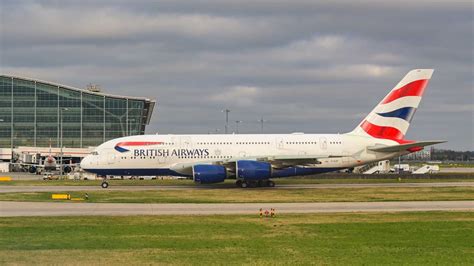
Following the short stop at Birmingham Airport, BA284 departed once more and completed the final sector to Heathrow in approximately 28 minutes.
Despite the unexpected interruption, passengers arrived in London on the same day, albeit later than originally scheduled. The rapid turnaround illustrated the airline’s ability to recover from irregular operations once the immediate circumstances had been addressed.
Flight diversions inevitably create inconvenience for passengers, but they remain an essential component of modern airline safety management. Whether prompted by medical situations, weather disruptions, technical concerns, or air traffic restrictions, diversion decisions are made to ensure the safest possible outcome for everyone onboard.
The Incident Highlights Aviation’s Flexible Safety Procedures
Although the precise reason behind the British Airways A380 diversion has yet to be officially confirmed, the event illustrates the flexibility built into commercial aviation operations.
Flight crews continuously evaluate changing weather, passenger welfare, airport congestion, and operational limitations throughout every journey. When conditions change unexpectedly, diverting to a suitable alternate airport often represents the safest and most efficient course of action.
For BA284, Birmingham served exactly that purpose. The aircraft landed safely, resolved the immediate operational requirement, and successfully completed the final leg to Heathrow shortly afterward. While conflicting reports continue regarding the original cause, the incident ultimately concluded without injury or further complications, reinforcing the aviation industry’s commitment to maintaining the highest standards of safety even during unexpected disruptions.