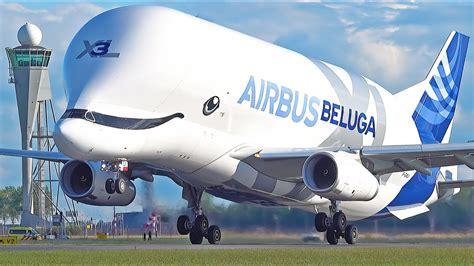
A mid-air emergency involving the Airbus BelugaXL has shaken the aerospace industry and thrust oversized cargo operations into a spotlight marked by urgency and scrutiny. On July 11, 2025, the flight designated BGA163H was forced to make an emergency landing in Toulouse, Airbus’s central hub, following a severe pressurization warning. This alarming event is not only a stark reminder of the challenges facing next-generation logistics aircraft but also a pivotal moment that could redefine the future of aerial transport for massive components.
The BelugaXL: Airbus’s Flying Leviathan
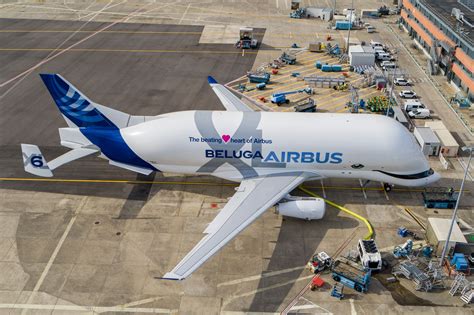
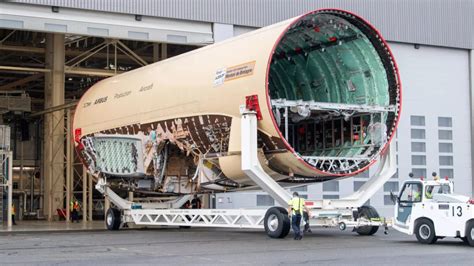
The BelugaXL is not just another freighter—it is a symbol of Airbus’s logistical innovation. Derived from the A330-200 platform, this outsized transporter was purpose-built to carry aircraft components like fuselages, wings, and stabilizers between Airbus’s production centers across Europe. With a capacity 30% larger than its predecessor, the A300-600ST Beluga, the XL was envisioned to streamline the supply chain and improve production timelines.
Launched into service in 2020, the BelugaXL features a distinctive “whale-like” design, made even more complex by its bulbous upper fuselage, which demands intricate pressurization controls. This aircraft has become the linchpin of Airbus’s inter-factory logistics, moving critical parts from Hamburg to Broughton to Toulouse, ensuring Airbus aircraft assembly runs like clockwork.
Sudden Descent and Tactical Diversion
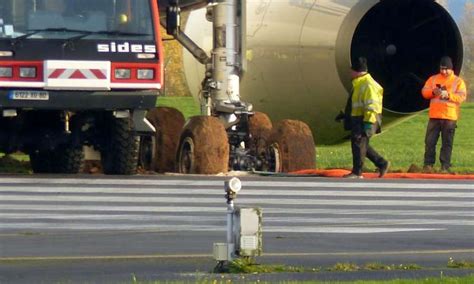
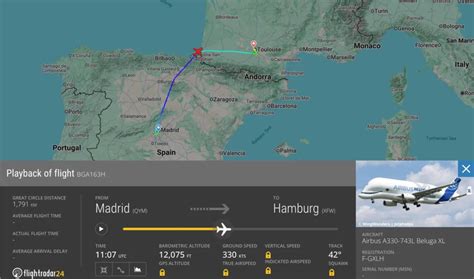
Flight BGA163H took off from Madrid at 10:30 UTC with no reported abnormalities. However, only 30 minutes into cruising altitude, the cockpit systems issued a depressurization alert, an emergency requiring immediate action. The crew initiated a rapid descent from 30,000 feet to 10,000 feet, a standard maneuver to protect cabin integrity and crew safety.
The pilots declared a Mayday emergency and diverted swiftly to Toulouse–Blagnac Airport, a logical and strategic choice considering the city houses Airbus headquarters and specialized Beluga maintenance facilities. The aircraft touched down safely at 11:40 UTC. No injuries were reported, but the aircraft—registered F-GXLH—was immediately grounded for intensive diagnostics.
Not an Isolated Case: Echoes of a 2024 Incident
Alarmingly, this wasn’t the first instance of such a failure. On September 10, 2024, another BelugaXL—registered F-GXLI—suffered a similar pressurization issue mid-flight over Belgium while en route from Saint-Nazaire to Hamburg. That emergency landing occurred in Amsterdam Schiphol Airport, again following a rapid descent.
Two pressurization failures within a 12-month period is statistically significant and raises unsettling questions. Aviation experts are now debating whether this is a systemic fault within the fleet or merely a string of rare but unrelated incidents. Either scenario could have deep implications for the certification protocols, flight procedures, and future deployment of Airbus’s oversized transport fleet.
Engineering Complexity and Operational Risk
Flying a cargo aircraft like the BelugaXL involves more than supersized doors and reinforced landing gear. The aircraft’s custom-built upper fuselage, necessary for hauling gigantic structures, alters the way cabin pressure is managed. Engineers must navigate a complex matrix of structural stresses, differential airflows, and payload sensitivities.
A pressurization system failure is particularly critical in the BelugaXL because its balloon-like shape increases vulnerability to uneven pressure distribution, especially at high altitudes. Airbus engineers and regulators will now need to examine whether the current pressurization architecture, including duct routing, valve calibration, or sensor logic, requires a fleet-wide update.
Toulouse: More Than a Safe Haven
Choosing Toulouse as the diversion airport was no coincidence. The city represents the nerve center of Airbus’s manufacturing ecosystem. It is home to the final assembly lines for the A320neo, A350, and A330, as well as the primary engineering teams responsible for BelugaXL design and maintenance.
By bringing the aircraft back to its base of operations, Airbus ensured that the inspection process would benefit from immediate expert access, proprietary diagnostic tools, and supply chain proximity for any necessary replacements. It also prevented unnecessary exposure of sensitive cargo and proprietary systems to external entities.
Implications for Global Aircraft Supply Chains
When a BelugaXL is grounded, the ramifications are global. These aircraft transport non-modular, mission-critical components that can’t be moved via rail or ship without weeks of delay. Every BelugaXL sortie is synchronized with Airbus’s Just-In-Time (JIT) production schedule.
A disruption to even one aircraft’s rotation can result in the temporary shutdown of assembly lines, affecting airlines’ delivery schedules and pushing back regulatory certification timelines for new aircraft. With global demand for narrowbody jets like the A321XLR and widebody workhorses like the A350 surging post-pandemic, the industry has little tolerance for disruption.
Revisiting Airbus’s Fleet Strategy
The origin story of the BelugaXL is tightly linked to Airbus’s scaling ambitions. In the 1990s, Airbus retired the Super Guppy in favor of the A300-600ST Beluga, which served faithfully until the rising demand made it obsolete. Airbus then launched the BelugaXL program in 2014, first flying the type in 2018.
By 2022, Airbus had a bold vision: use the original Belugas (not the XLs) for commercial oversized transport under the new entity Beluga Transport. However, by late 2023, Airbus scaled back this experiment, citing limited commercial viability and the need to prioritize internal logistics. That retrenchment left the BelugaXL as the sole backbone for Airbus’s internal part shuttles.
This latest emergency might now force Airbus to accelerate backup strategies, possibly integrating ground transport redundancies, or expanding the role of alternative logistics platforms—a complex and costly challenge.
Rolls-Royce Trent 700: Power Meets Pressure
The BelugaXL F-GXLH is powered by two Rolls-Royce Trent 700 engines, a proven propulsion system that also powers the A330 family. The engines were not implicated in this emergency; however, the airframe’s performance in dealing with an emergency descent will be under intense scrutiny.
It’s expected that Airbus will not only examine the pressurization subsystems but also review emergency descent protocols, oxygen system behavior, and crew response times in their upcoming internal audit.
Industry Reactions and Regulatory Implications
The aviation world is watching closely. Regulatory agencies including EASA (European Union Aviation Safety Agency) and France’s BEA (Bureau d’Enquêtes et d’Analyses) are expected to participate in the investigation. While no official airworthiness directives (ADs) have been issued yet, observers speculate that temporary operational limitations, such as restricted cruise altitudes or modified pressure differentials, may be implemented pending findings.
Meanwhile, cargo operators across industries are re-evaluating their contingency plans for moving heavy, oversized components by air. Boeing, Lockheed Martin, and even NASA rely on niche aircraft like the Dreamlifter and Antonov An-124, which face similar operational challenges. Airbus’s next steps will likely serve as a template—or a warning—for how oversized air transport should be handled in the 2030s.
Conclusion: A Pivotal Crossroads for Airbus and Aviation
The emergency landing of the BelugaXL in Toulouse is more than an isolated event—it is a turning point in how the aerospace industry views the risks and resiliency of oversized cargo logistics. For Airbus, the incident exposes critical vulnerabilities in its internal supply chain framework, just as the demand for aircraft production accelerates worldwide.
Whether this event triggers a rethink of fleet maintenance, an engineering overhaul, or even a redesign of pressure systems, it is certain that the industry can no longer treat the transport of enormous aircraft parts as a foregone conclusion. The skies are vast, but as the BelugaXL shows, even giants must tread carefully.