The latest airworthiness directive aimed at the Boeing 717 arrives like an unwelcome reminder that even the most reliable workhorses eventually face the weight of time. The new FAA mandate, rooted in the 2023 Delta Air Lines nose-gear failure, now ushers in a new era of rigorous oversight that will ripple through the operations of Delta and Hawaiian Airlines. These are the two remaining U.S. operators of the type, and both have fleets that have spent more than two decades shuttling travelers across high-frequency, short-haul networks where aircraft endure far more takeoff-and-landing cycles than the average narrowbody. The directive forces a renewed look at the 717’s longevity and reignites questions about how soon we will see its retirement accelerated.
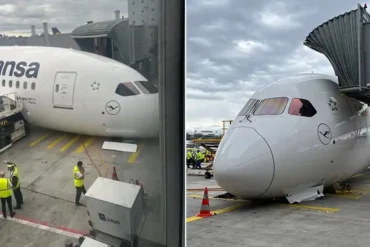
The Delta incident that triggered the directive was the kind of moment that defines the purpose of safety oversight. A June 2023 flight approached Charlotte Douglas International Airport only to find its nose landing gear unwilling to extend, even after multiple attempts. The final touchdown—main gear first, nose unsupported—was executed with the kind of calm precision that pilots train for but hope never to perform. The aircraft’s 104 occupants exited via slides, uninjured yet understandably shaken.
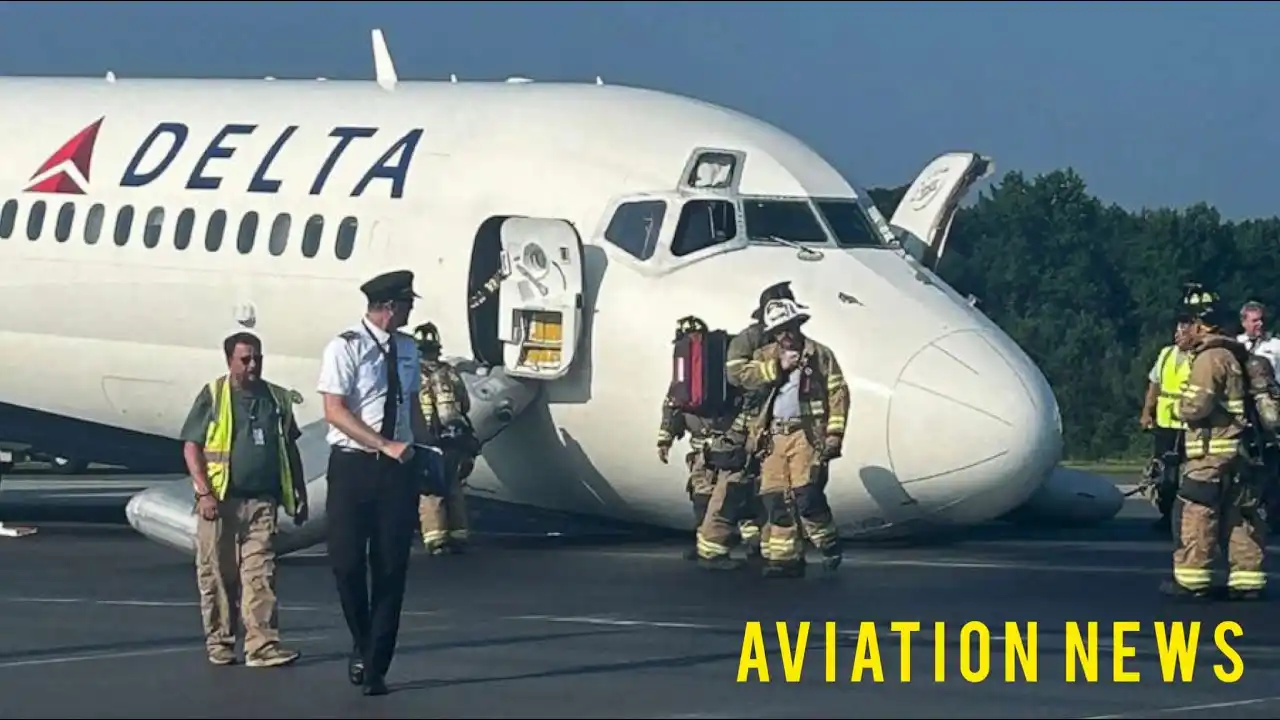
Investigators traced the failure to a fatigue crack in the upper lock link assembly, an aluminum component small in size but critical in responsibility. Microscopic tool marks left on the part years earlier, perhaps from manufacturing or maintenance, provided a foothold where stress quietly accumulated over tens of thousands of cycles. That small imperfection blossomed into a fracture, preventing the gear from deploying. The finding underscored a universal truth in aviation: parts can survive millions of moments, until suddenly they cannot.
The Airworthiness Directive’s Mandates and the Engineering Concern
The resulting FAA airworthiness directive, effective January 2, 2026, mandates repetitive high-frequency eddy current inspections of every 717’s upper lock link assembly. This isn’t a one-time sweep; it’s a new rhythm of ongoing evaluation. Any damaged components must be replaced, and that replacement, once performed, ends the requirement for further repetitive inspections on that specific assembly. The FAA’s phrasing—asserting that the unsafe condition likely exists on other aircraft of the same design—signals its concern that the Delta case was not an isolated anomaly but a symptom of high-cycle fatigue across the fleet.
These inspections are not symbolic gestures. They represent real labor hours, engineering bandwidth, and operational disruptions. The FAA estimates each inspection will cost around $50,000, and any replacement of the link assembly will add roughly $20,000 per aircraft. When paired with the 717’s existing maintenance burden—about $2.5 million annually per jet—the financial logic begins to lean toward accelerated retirement.
Delta Air Lines: Managing the Cost of an Aging Giant
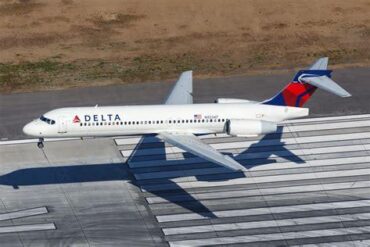
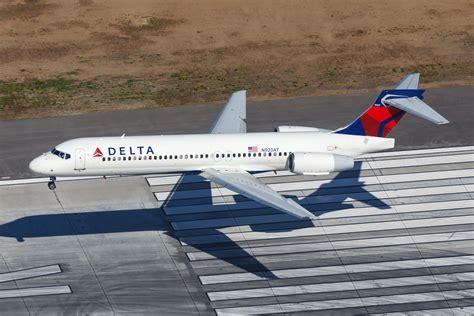
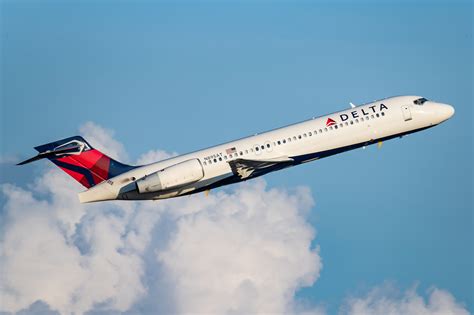
Delta remains the world’s largest Boeing 717 operator with 80 aircraft still active and an average age above 24 years. These jets populate busy short-haul corridors across the Midwest and East Coast, feeding hubs in Atlanta, Detroit, and Minneapolis-St. Paul. Their ruggedness and size have made them ideal for routes where frequency is king and larger jets would be inefficient.
A few years ago, Delta expressed its intention to retire the 717 fleet by the end of 2025. Pandemic-era disruptions and delays in Airbus A220 deliveries forced the timeline to stretch; the airline continues to rely on the 717 despite its age and complexity. Industry chatter has suggested that Delta’s order for 100 Boeing 737 MAX 10 aircraft may include provisions involving Boeing absorbing the returned 717s once leases expire. Nothing official ties these rumors together, but the logic is not far-fetched: manufacturers often use creative solutions when negotiating large fleet transitions.
Still, the new directive complicates the calculus. A fleet already inching toward sunset now requires intensified inspection cycles that could drive more aircraft out of service earlier than planned.
Hawaiian Airlines: A Fleet That Fits Its Mission—For Now
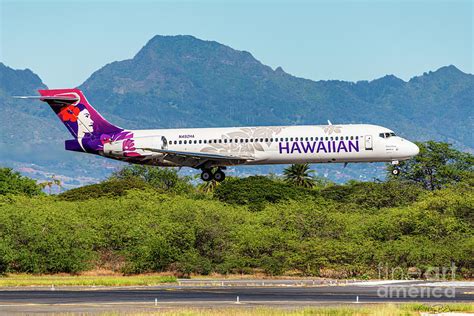
Hawaiian Airlines stands in a different situation. Its 19 Boeing 717s are quintessential inter-island workhorses, flying up to 16 cycles per day between the state’s major islands. These aircraft are paid off, perfectly sized for the mission, and engineered to withstand precisely the kind of repeated short hops that would exhaust younger aircraft not built for such intensity.
Replacing them is not as simple as picking a modern alternative. The Airbus A220 and Embraer E2 families are contenders, but both represent a dramatic shift in operating economics, infrastructure requirements, and fleet standardization. Hawaiian’s pending merger with Alaska Airlines adds further complexity; long-term fleet strategy is easier to predict once both carriers share a single leadership framework. Until then, the 717 remains indispensable.
The new directive adds pressure, but not enough to force an immediate shift. Hawaiian may continue squeezing value from the type until a unified post-merger fleet plan emerges.
A Type Nearing Its Final Chapter
QantasLink’s retirement of its final 717 in October 2024 offered a preview of what the coming years may look like for other operators. The airline replaced its 717s with Airbus A220s, a modern, efficient airframe increasingly positioned as the natural successor for aging regional narrowbodies. The Embraer E-Jet E2 family also continues to make inroads, offering low fuel burn and flexible seating options.
The 717’s identity—born as the McDonnell Douglas MD-95—carries a legacy that stretches back through decades of aviation evolution. Its rugged hull, T-tail silhouette, and proven reliability have earned it affection from pilots and mechanics alike. But even icons reach their limits.
The FAA’s directive doesn’t condemn the Boeing 717, but it does usher in a new phase where every crack, cycle, and inspection matters more than ever. Operators must now weigh the economic realities of continued maintenance against the clean efficiencies of modern replacements.
The sun isn’t setting today, but dusk has undoubtedly arrived for the Boeing 717. What comes next depends on the pace of fleet deliveries, the economics of cycle-heavy operations, and the strategic priorities of the airlines that have relied on this aircraft for so long. The 717’s final years promise to be a careful balance of nostalgia, practicality, and engineering necessity.