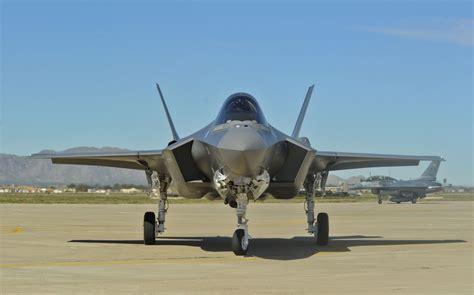
The transatlantic defense architecture has reached a strategic inflection point. Mounting unease over the United States’ grip on the F-35 fighter jet program, exacerbated by political volatility in Washington, has triggered a significant recalibration across Europe. Countries once steadfastly reliant on American airpower are now exploring homegrown sixth-generation fighter programs, not just to modernize their capabilities, but to safeguard their sovereignty.
Rising Distrust in American Reliability Spurs Strategic Reassessment
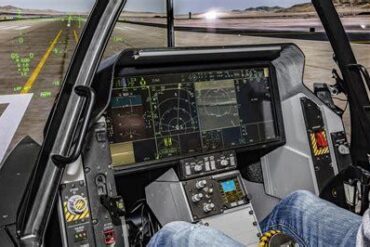
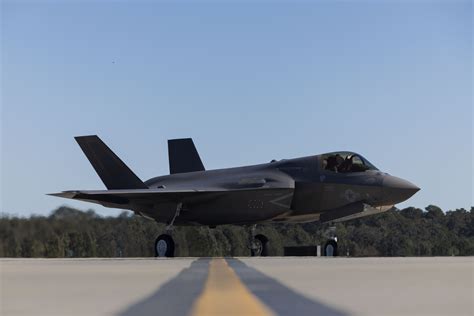
The F-35, once heralded as a revolutionary leap in air dominance, has become emblematic of Europe’s growing discomfort with its dependence on Washington. The re-emergence of former President Donald Trump and his antagonistic approach toward NATO has reignited longstanding fears: that America may weaponize its technological leadership to control allied decision-making.
Trump’s administration accused NATO allies of freeloading, prompting calls for member states to drastically increase defense spending. Yet no concrete strategy has emerged to replace the wide-ranging American contributions, from nuclear deterrence to surveillance infrastructure. The potential for the U.S. to throttle or even disable F-35 capabilities—either through selective software updates, blocked mission data, or stifled technical support—now casts a long shadow over procurement decisions.
Canada’s decision to review its planned F-35 acquisition and Portugal’s recent geopolitical recalibrations underscore this broader anxiety. Even absent a literal “kill switch,” the operational dependency built into the F-35 ecosystem leaves room for manipulation, making sovereignty a tangible concern.
Sixth-Gen Programs Gain Momentum Amid Uncertainty
The political message is clear: Europe must secure its own technological independence. This sense of urgency is coalescing into strategic investment. Two major sixth-generation fighter programs are at the forefront:
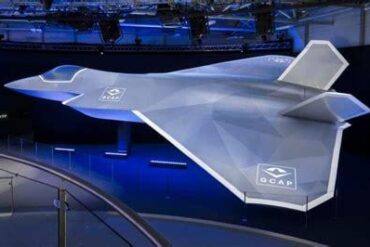
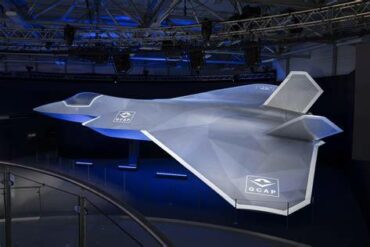
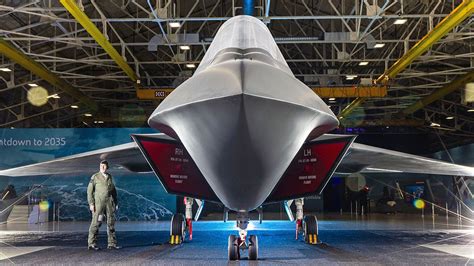
- Global Combat Air Programme (GCAP): A trilateral effort between the U.K., Italy, and Japan aimed at delivering the Tempest fighter by 2035. GCAP is not just a technological endeavor—it is a political statement of operational autonomy.
- Future Combat Air System (FCAS): Spearheaded by France, Germany, and Spain, FCAS envisions a more integrated aerial combat system but lags behind GCAP by roughly a decade.
According to a senior European defense official, there is a “bigger incentive” than ever before for NATO nations to get involved, both to future-proof their militaries and to ensure their domestic industries remain competitive in next-gen defense technologies.
GCAP: Sovereignty at the Core of Innovation
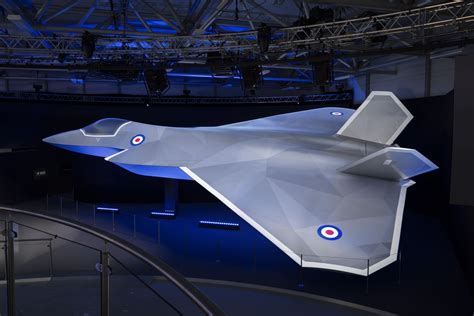
GCAP was designed from inception with one principle: military sovereignty. The ability to operate, modify, and deploy aircraft without foreign oversight is baked into its architecture. British Armed Forces Minister Luke Pollard emphasized that the U.K. retains the “freedom of action to operate the F-35 at a time and place of our choosing”—a veiled but pointed assertion of concern over current dependencies.
With over 3,500 personnel already involved in GCAP development in the U.K. alone, the momentum is tangible. Officials from participating nations affirm their openness to expanding the project, although the complexity of integration makes late-stage entrants more likely to contribute to peripheral systems than to the core jet design.
American Dominance and Its Limitations
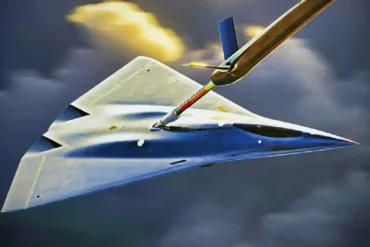
The United States, for its part, is not ceding ground easily. Its Next Generation Air Dominance (NGAD) program—highlighted by the recently revealed F-47 fighter—promises unmatched capability, automation, and stealth. Yet President Trump’s declaration that exported versions of the F-47 would be “toned down” by 10% starkly illustrates the enduring trust deficit.
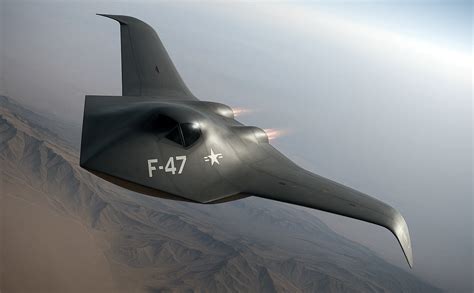
Experts such as retired Canadian Air Force Lieutenant General Yvan Blondin warn that the issues seen in the F-35 will be amplified in the F-47. With mission-critical elements possibly withheld, European and allied forces would find themselves flying premium-priced jets with second-tier capabilities—a scenario fundamentally at odds with their strategic aspirations.
Europe’s Defense Awakening: From Consumer to Creator
The debate over sixth-generation aircraft is but one thread in a broader tapestry. For decades, U.S. policy steered European nations toward dependency—deliberately discouraging domestic investment in critical capabilities such as strategic lift, ISR (intelligence, surveillance, and reconnaissance), and electronic warfare. But times have changed.
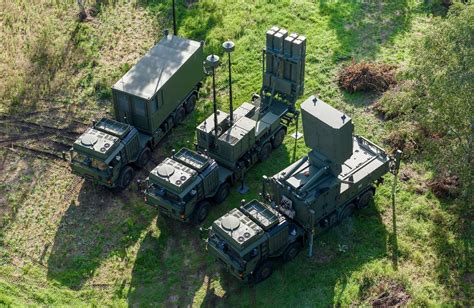
European defense officials are now re-examining every facet of reliance. The urgency is particularly acute in air defense, identified by a central European official as “priority number one” over the next two decades. Alternative systems like Germany’s IRIS-T are now being evaluated not just on performance, but on political independence.
It is not about wholesale decoupling from the United States. Rather, it is about building redundant and sovereign capabilities that ensure freedom of operation even when alliances are strained. As Justin Bronk of RUSI notes, “It would be irresponsible not to look closely at areas of military dependence on the United States.”
Multipolar Ambitions: Aligning Strategy with Autonomy
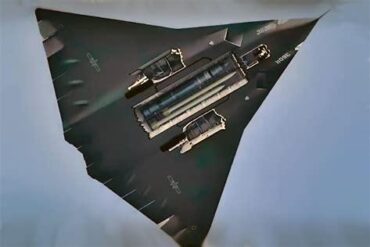
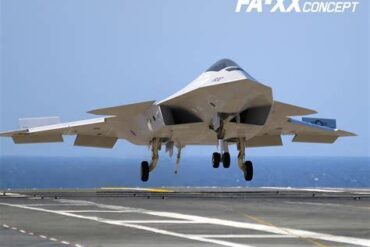
This defense awakening is not occurring in isolation. China is actively developing its own sixth-generation platform, while the U.S. Navy is advancing its F/A-XX concept. A multipolar battlefield looms, and Europe recognizes it must not arrive late to the next revolution in airpower.
The sixth-generation fighter is more than a weapon—it is a symbol of geopolitical agency. The choice between continued reliance on American-designed systems and investment in European innovation reflects deeper strategic priorities. Do NATO allies prefer to lease power under uncertain terms or to co-develop it with equal stakes?
Europe’s defense ambitions must therefore evolve beyond incremental spending increases. They must encompass systems integration, industrial policy, and joint command doctrine, ensuring that European-built fighters are embedded within a broader framework of interoperable, sovereign military architecture.
A Long Path Ahead—but a New Trajectory Has Been Set
Despite public affirmations of continued F-35 support, private conversations among European defense officials reflect a shifting tone. The aircraft’s capabilities remain unparalleled in many respects, but its political liabilities have made it a cautionary tale.
The continent’s sixth-generation ambitions—whether via GCAP, FCAS, or yet-to-be-formed programs—are no longer theoretical. They are active rejections of a world order in which military strength is outsourced. While it will take at least a decade before any sixth-gen fighter reaches operational status, the decision to pursue them signals a broader European movement: from defense consumer to defense creator.
As the global balance of power reconfigures, Europe is asserting itself with renewed clarity. Its future will be shaped not just by the jets it flies, but by the independence with which it flies them.