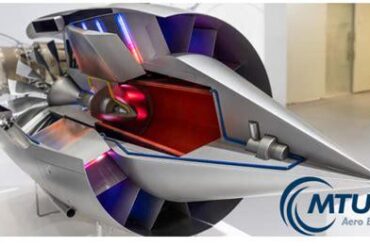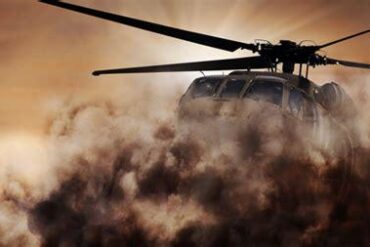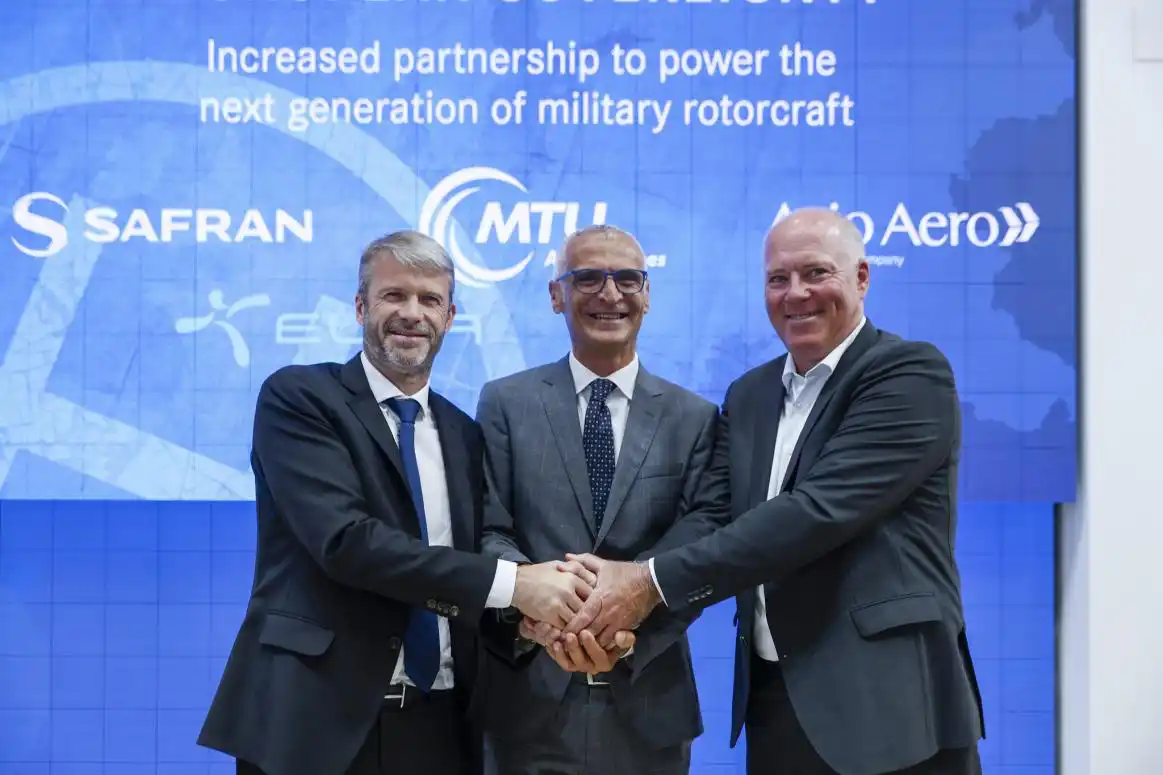
Avio Aero has officially partnered with Safran Helicopter Engines and MTU Aero Engines to design and build the European Next Generation Helicopter Engine (ENGHE) — a transformative initiative aimed at reshaping Europe’s military rotorcraft capabilities by 2040. This strategic alliance, formalized during the 2025 Paris Air Show, represents a milestone in European aerospace cooperation and defense innovation.
A Strategic Alliance to Power Europe’s Defense Autonomy
The partnership between Avio Aero, Safran, and MTU is not merely a business collaboration. It is a bold geopolitical statement — a move to reclaim European sovereignty in defense technologies, reducing reliance on non-EU engine suppliers. The trio of industry giants, each with decades of engineering expertise and operational pedigree, are now aligned under a common mission: to deliver a 100% European-engineered and produced military turboshaft engine that meets the operational and strategic demands of 21st-century warfare.
This initiative has been in the making for over two years. It began with a 2023 collaboration between Safran and MTU, culminating in the formation of EURA (EUropean Military Rotorcraft Engine Alliance), a 50/50 joint venture. Now, with Avio Aero joining the alliance, the ENGHE project gains an expanded technological base, a diversified supply chain, and enhanced industrial agility. Each partner will hold an equal share of work, ensuring balanced contributions across design, development, manufacturing, and long-term support.
Responding to the European Defence Fund Call
In October 2025, the ENGHE consortium will submit its formal proposal to the European Defence Fund (EDF). This submission represents more than a pitch — it’s a coordinated response to Europe’s urgent call for next-generation heavy helicopter propulsion systems. The proposal, driven by EURA and supported by a unified European team, is expected to be one of the most comprehensive and future-proofed submissions in recent EDF history.
Cédric Goubet, CEO of Safran Helicopter Engines, emphasized the strategic dimension of the partnership, stating, “This is the next step in strengthening Europe’s autonomy in defense and security. We have the partners, the expertise, and now the opportunity to build something uniquely European.”
Michael Schreyögg, Chief Program Officer at MTU Aero Engines, echoed this sentiment: “This is not just an engineering program — it’s a continental milestone. It shows Europe can act decisively, industrially and strategically, to develop the technologies it needs.”
Engineering a New Standard for Rotorcraft Propulsion
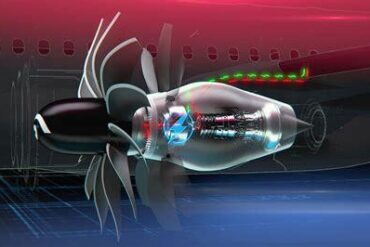
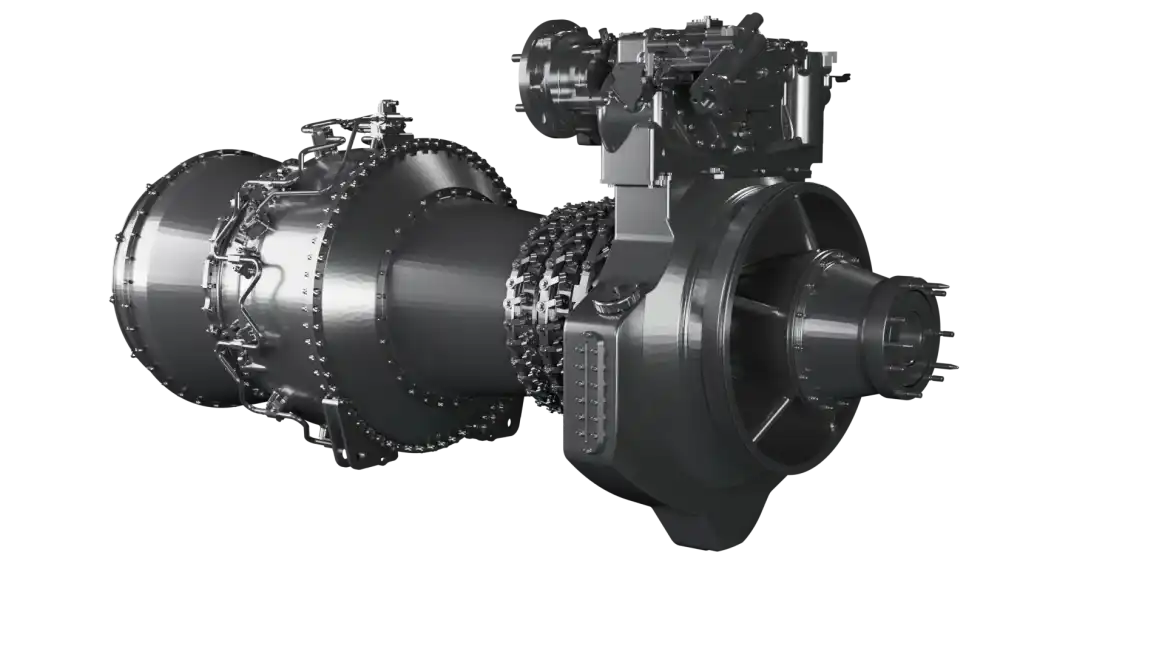
The ENGHE is expected to feature multiple cutting-edge technologies designed to position European rotorcraft at the forefront of military aviation. Designed with the future in mind, the engine will be:
- Fully compatible with Sustainable Aviation Fuels (SAF), supporting Europe’s environmental targets.
- Integrated with electric hybridization capabilities, allowing increased energy efficiency and flexibility in mission profiles.
- Optimized for lower fuel burn, increasing range and endurance.
- Built for lower life cycle costs, simplifying maintenance and reducing operational expenditure.
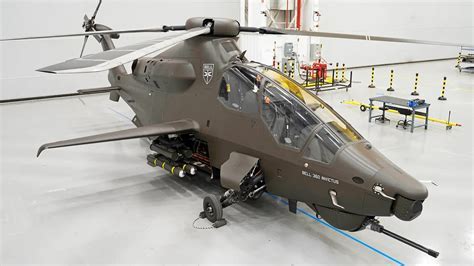
These characteristics align directly with future European rotorcraft programs such as the ENGRT (European Next Generation Rotorcraft Technologies) and NGRC (Next Generation Rotorcraft Capability). With an emphasis on speed, range, maneuverability, and readiness, the engine will underpin aircraft that are not just more powerful, but more survivable and versatile in dynamic threat environments.
Avio Aero’s Role: A Reinforced Industrial Backbone
Avio Aero’s involvement is particularly critical. The Italian engine manufacturer brings extensive experience in military propulsion systems, including turboshaft and turbojet engine development, advanced manufacturing, and composite materials engineering. CEO Riccardo Procacci called the agreement a “major opportunity to support Europe’s strategic autonomy and technological leadership,” noting that Avio Aero is well-positioned to contribute core technologies and production capabilities.
From its facilities in Italy and across Europe, Avio Aero will help shoulder the load of rotating parts design, thermal management systems, and integrated digital engine control solutions. This expertise, combined with MTU’s long-standing strength in high-pressure components and Safran’s dominance in complete turboshaft systems, makes the ENGHE partnership one of unparalleled technical balance.
Reinforcing the European Supply Chain
The creation of a wholly European military engine will also stimulate an extensive supply chain ecosystem, drawing on partners from across the continent. By leveraging suppliers from countries including Germany, France, Italy, Spain, and beyond, the ENGHE program promises not only industrial innovation but also economic revitalization for Europe’s aerospace sector.
The cross-border collaboration aligns closely with the European Commission’s objectives for defense industrial cooperation, as expressed by Sean White, Director for Industry, Synergies and Enablers at the European Defence Agency. During the signing ceremony, White emphasized the importance of such programs for “reinforcing sovereignty and bolstering industrial readiness across Europe.”
Timeline and Vision for 2040 Entry Into Service
The timeline for the ENGHE is ambitious but clear. Following the EDF proposal submission in late 2025, the consortium expects to begin full-scale development by 2026. The goal is to enter service readiness by 2040, aligning with the next wave of European military helicopter replacements. These may include variants designed for multi-role operations, special forces deployment, logistics support, and command & control roles.
As the world enters a new era of aeronautical warfare complexity, engines must not only meet traditional benchmarks like thrust-to-weight ratio or mean time between overhaul (MTBO). They must also be smart, sustainable, and integrated with advanced onboard systems, from electronic warfare suites to battlefield network connectivity. ENGHE is being built with these imperatives in mind.
Building on Past Success: A Proven Partnership Model
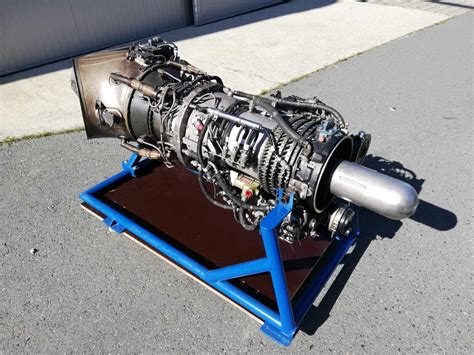
Safran and MTU have already demonstrated what their combined capabilities can achieve. Their TP400-D6 engine, which powers the Airbus A400M military transport, stands as a testament to successful Franco-German cooperation. By expanding that cooperation to include Avio Aero — a firm with long-standing ties to NATO programs and rotorcraft propulsion systems — the ENGHE program becomes a triumvirate of aerospace powerhouses.
Moreover, the creation of EURA as a permanent joint venture signals that this is not a one-off project. The alliance aims to stay ahead of emerging threats, operational needs, and technology cycles for the foreseeable future. The goal is not just to develop one engine but to lay the foundation for a series of modular, scalable, and upgradeable powerplants that will serve Europe for decades.
A Technological Response to Strategic Reality
Europe’s evolving defense posture, especially in light of recent geopolitical events, underscores the importance of self-reliant technological capabilities. The ENGHE effort is more than an aerospace engineering feat — it’s a strategic insurance policy. With rising tensions and increasingly contested skies, Europe cannot afford to depend on external suppliers for critical components of its defense architecture.
This engine, and the broader rotorcraft programs it will support, will allow European armed forces to deploy with agility, sustain operations independently, and maintain operational overmatch across a range of missions.
Looking Ahead: Toward a Sustainable, Capable Future
The ENGHE project is a bold reassertion of European leadership in defense aerospace innovation. It integrates sustainability, sovereignty, and strategic foresight into a singular technological initiative. By combining the industrial powerhouses of Avio Aero, Safran, and MTU, the program promises to deliver more than just an engine — it promises a future-proof capability.
As October 2025 approaches, all eyes will be on EURA and its submission to the EDF. If successful, ENGHE will mark a paradigm shift in how Europe builds, powers, and operates its military helicopters — not as a fragmented collection of national programs, but as a unified technological force.
The mission is clear: build the engine, empower the continent, and fly into a sovereign future.