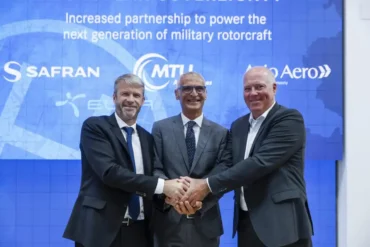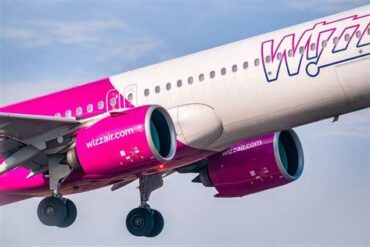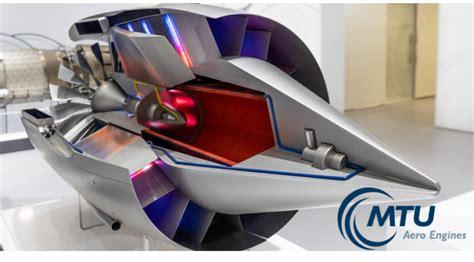
In a landmark announcement at the 55th Paris Airshow, Airbus and MTU Aero Engines have unveiled a bold, strategic partnership aimed at propelling hydrogen fuel cell technology into the mainstream of sustainable aviation. The two aerospace giants have signed a Memorandum of Understanding (MoU) to develop hydrogen-powered propulsion systems, solidifying their shared ambition to decarbonize commercial air travel through innovative, clean energy solutions.
A Visionary Collaboration for a Greener Future
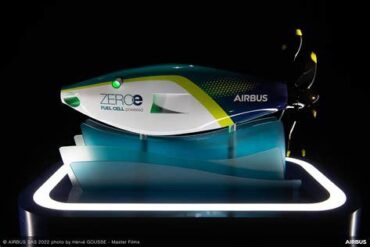
This partnership merges the expertise of Airbus, a global aviation leader pioneering the ZEROe zero-emission aircraft program, with MTU Aero Engines, Germany’s foremost authority in propulsion technologies and the creator of the Flying Fuel Cell concept. Together, they aim to chart a course toward emission-free flight by designing a hydrogen fuel cell engine capable of powering next-generation commercial aircraft.
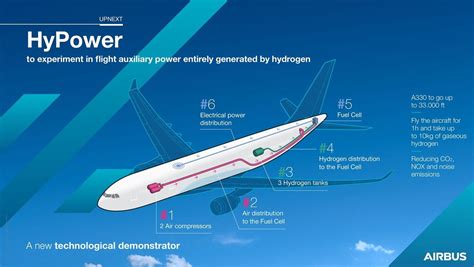
At the core of this initiative is the recognition that hydrogen fuel cells offer a compelling alternative to traditional jet engines. Unlike combustion-based systems, fuel cells generate electricity through a chemical reaction between hydrogen and oxygen, producing only water vapor as a byproduct. This not only eliminates carbon dioxide emissions, but also significantly reduces noise pollution, thermal signatures, and other environmental impacts associated with conventional aviation propulsion.
According to Bruno Fichefeux, Head of Future Programmes at Airbus, “Our focus on fully electric fuel cell propulsion technology underscores our confidence and progress in this domain.” His counterpart, Dr. Stefan Weber, MTU’s Senior Vice President of Engineering and Technology, echoed this sentiment: “We are driven by the vision of a revolutionary propulsion concept that allows virtually emissions-free flight.”
The Three-Phase Roadmap to Hydrogen Flight
The collaborative effort between Airbus and MTU is structured around a three-phase development roadmap, strategically designed to ensure technology readiness and seamless aircraft integration.
Phase One: Laying the Technological Groundwork
The first phase targets core technological development. Leveraging existing initiatives such as Clean Aviation, the European Union’s flagship environmental R&D program, Airbus and MTU will co-develop crucial components, including:
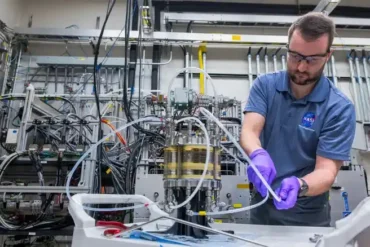
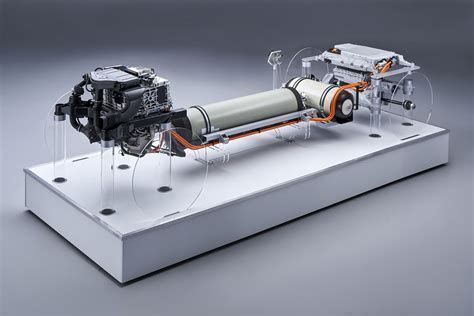
- Advanced hydrogen fuel cells
- High-pressure storage tanks
- Thermal management systems
- Fuel distribution architectures
This foundational work is instrumental in ensuring safety, reliability, and compatibility with aircraft electrical and structural systems. It also sets the stage for bench testing and eventual flight trials.
Phase Two: Strategic R&D Synchronization
Following technological maturation, the second phase focuses on aligning the Research & Technology (R&T) roadmaps of both firms. This harmonization is not only about avoiding duplication—it ensures synchronized evolution of all subsystems, enabling real-time adaptability as hurdles emerge.
By unifying their strategic outlook, Airbus and MTU will streamline timelines, standardize component interfaces, and foster a modular approach to scalable hydrogen propulsion. This step will be pivotal in transitioning from theory to application, bridging the gap between lab-ready systems and aircraft-ready propulsion units.
Phase Three: Fully Functional Engine Development
The culmination of this partnership is the delivery of a fully integrated, commercially viable hydrogen fuel cell engine. Designed for regional and narrow-body aircraft, the engine will emphasize:
- Zero-emissions operation
- Robust redundancy and reliability systems
- Certification-ready safety standards
The success of this phase would mark a historic inflection point for the aviation industry: the dawn of practical, hydrogen-powered flight. Airbus and MTU envision this milestone not just as a technical achievement, but as a market-ready solution capable of meeting global climate targets while supporting the industry’s growth.
Driving Innovation Across an Expanding Ecosystem
Airbus and MTU’s strategic alignment goes beyond bilateral cooperation. Both companies are deeply embedded in a pan-European ecosystem of clean aviation innovators, universities, and policy institutions. This collaborative network ensures that breakthroughs in one area—such as fuel cell efficiency or hydrogen storage—rapidly benefit the entire hydrogen aviation sector.
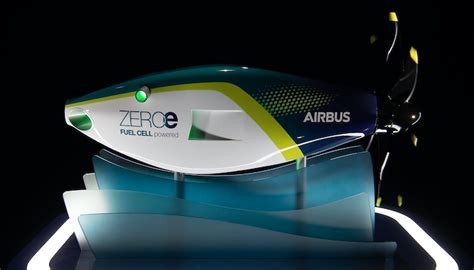
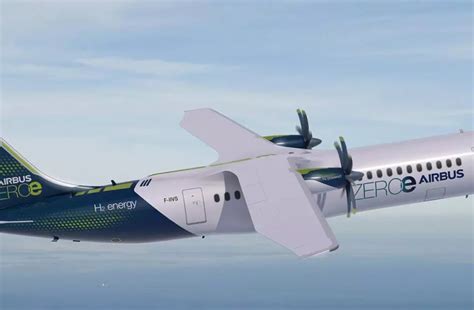
MTU’s Flying Fuel Cell platform, already a testbed for low-emission powertrains, will play a central role in experimental validation. Meanwhile, Airbus will utilize its ZEROe demonstrators as real-world proving grounds for integrating hydrogen propulsion into commercial fuselages.
The partnership also enhances Europe’s competitive edge in sustainable aerospace. As the race toward climate-neutral aviation by 2050 intensifies, Airbus and MTU are staking a leadership position with a solution that balances ecological responsibility with commercial pragmatism.
The Strategic Stakes for Global Aviation
The urgency of this initiative is underscored by aviation’s pressing environmental obligations. With the sector accounting for approximately 2-3% of global CO₂ emissions, the transition to hydrogen propulsion offers one of the most promising pathways toward meeting the goals of the Paris Agreement and the EU Green Deal.
Hydrogen, when produced using renewable energy (green hydrogen), offers an energy-dense, carbon-neutral alternative to fossil-based kerosene. Combined with fuel cell technology, it has the potential to reduce life-cycle emissions by over 90%, even factoring in hydrogen production and distribution.
Moreover, consumer and investor sentiment are increasingly aligned with climate stewardship. Airlines, airports, and regulators are facing mounting pressure to decarbonize operations, invest in green infrastructure, and support next-generation aircraft platforms. The Airbus-MTU partnership represents a critical supply-side solution that can catalyze demand-side transformation.
Looking Ahead: Milestones on the Horizon
While ambitious, the Airbus-MTU collaboration is grounded in pragmatic, results-oriented engineering. Over the coming years, the aerospace community can expect a series of key milestones:
- 2026–2027: Ground testing of integrated hydrogen fuel cell prototypes
- 2028: First flight of a testbed aircraft equipped with fuel cell propulsion
- 2030: Certification-ready hydrogen engine for short-haul commercial aircraft
These targets align with Airbus’ broader roadmap for launching a hydrogen-powered aircraft by 2035, a goal that has now gained significantly greater feasibility thanks to this partnership.
In parallel, both companies will engage in policy advocacy and standards development, ensuring that hydrogen-powered aircraft are supported by a compatible regulatory framework, safety protocols, and fueling infrastructure.
A Defining Moment for Clean Aviation
With this MoU, Airbus and MTU Aero Engines have done more than just sign a partnership—they have fired the starting pistol on a transformative era for aviation. Their joint venture is not merely technological; it is philosophical. It recognizes that the future of flight must be sustainable, and that bold, integrated action is needed now.
As the skies beckon a new generation of emission-free aircraft, the Airbus-MTU alliance stands as a beacon of what is possible when vision, engineering, and environmental responsibility converge.
Together, these aerospace pioneers are not only imagining a cleaner future—they are engineering it into existence.