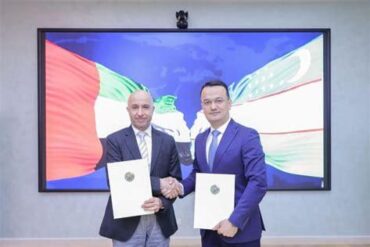
Airhub Aviation has ignited a seismic shift in European aviation asset management with a landmark upgrade agreement with Airbus, a move poised to reshape how aging aircraft are revitalized, utilized, and monetized. This is no ordinary maintenance pact. It’s a direct pipeline into Airbus-certified OEM modifications, allowing Airhub to bypass traditional MRO bottlenecks and deliver value far beyond standard lifecycle curves. As the aviation sector battles economic headwinds, geopolitical disruptions, and supply chain lags, this bold alignment between Airhub and Airbus offers a blueprint for fleet sustainability, resilience, and profitability.
Rewiring Aircraft Value with Direct Airbus Access
For years, aging aircraft were pigeonholed as liabilities, with asset managers often cornered into leasing new jets or enduring prohibitively costly aftermarket upgrades via third-party maintenance outfits. That era may be ending. Airhub’s multi-year strategic agreement with Airbus places it among a select few with unfiltered access to factory-certified upgrades, encompassing performance, safety, cargo configuration, and avionics optimization packages. By cutting out intermediaries, Airhub gains a tactical advantage—reducing modification lead times, boosting reliability, and unlocking value faster than ever before.
This partnership arrives at a moment of acute need. As next-generation aircraft deliveries continue to lag post-pandemic, and OEM production rates remain constrained, operators are turning to midlife jets as essential fleet mainstays. The new Airbus-backed strategy gives Airhub the tools to transform these aircraft into revenue-generating assets with extended operational life, optimized for modern demands.
Beyond Maintenance: A 360° Lifecycle Ecosystem
What truly distinguishes this deal isn’t just access—it’s integration. Airhub Aviation has constructed a full-spectrum aircraft services model, stretching from acquisition and leasing to operations, maintenance, and end-of-life strategy. By embedding Airbus’s OEM expertise directly into this cycle, Airhub gains unprecedented control over asset performance, residual value, and lifecycle cost management.
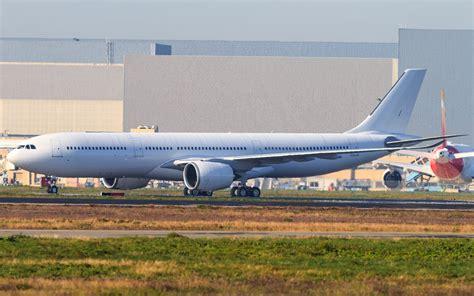
At the center of this ecosystem is Airhub’s base in Šiauliai, Lithuania, one of Europe’s most robust MRO infrastructures. The facility, capable of housing five narrow-body aircraft or a wide-body plus two narrow-bodies simultaneously, is optimized for Airbus types including A320ceo/neo, A330, A330neo, and A340. That capacity means aircraft don’t just get upgraded—they get transformed, stored, reactivated, and redeployed with surgical precision.
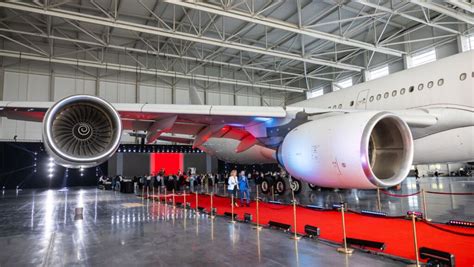
This vertically integrated approach is especially critical now. Airlines are seeking cost-effective, fast-turnaround solutions as they grapple with high fuel prices, sustainability regulations, and shifting consumer travel patterns. Airhub delivers all of it—with Airbus as a direct technical backbone.
From Retired to Revenue: Breathing New Life into Midlife Fleets
Airhub’s deal with Airbus is fundamentally about repurposing existing fleet assets for the realities of today’s aviation economy. With access to upgrades including next-gen avionics, fuel efficiency enhancements, and reconfigurable cargo solutions, aircraft previously destined for retirement can now serve new operational roles. This strategy doesn’t just extend their lifespan—it creates new revenue pathways.
In particular, the surge in global cargo demand has made freighter conversions and cabin reconfigurations high-priority actions. With OEM-certified kits and modifications at its disposal, Airhub can rapidly reposition aircraft for hybrid passenger-cargo roles or dedicated cargo missions—without the typical delay associated with aftermarket installations.
Such flexibility is a critical differentiator in a fragmented market, allowing Airhub to offer tailor-made fleet solutions that match shifting route economics and operational goals.
Disruption in Motion: Airhub Sets New Benchmark for European Asset Managers
In an industry defined by conservative timelines and legacy processes, Airhub Aviation is effectively breaking the mold of traditional aviation asset management. By embedding OEM upgrades into a vertically integrated, MRO-backed platform, the company is carving out a new category: the aircraft lifecycle optimizer.
This is more than an evolution—it’s a reinvention. Rather than treating aircraft as aging commodities, Airhub is showing how smart intervention, technology, and timing can turn them into strategic assets. That’s a powerful narrative in a post-pandemic world where risk tolerance is low and capital expenditure remains constrained.
As other lessors and asset managers take note, the market could soon see a wave of Airbus-aligned upgrade programs. But with its first-mover advantage, Airhub is poised to define the playbook.
Strategic Geopositioning: Lithuania as a Rising Aviation Powerhouse
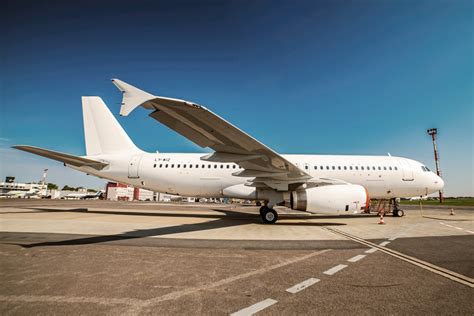
Airhub’s Lithuanian facility plays a far bigger role than simply housing aircraft. Šiauliai, positioned along key European air corridors, offers rapid access to both Eastern and Western Europe, making it an optimal base for transcontinental fleet management and logistics.
Its strategic location allows Airhub to offer storage, transition, and reactivation services that are not just fast—but also cost-efficient compared to pricier hubs in Western Europe. With space for up to 25 narrow-body aircraft, the facility doubles as a regional logistics powerhouse and a technical asset conversion lab.
This rise in prominence for Lithuania’s aviation industry is no accident. The ripple effects of the Airhub-Airbus partnership are already being felt across employment pipelines, technical training institutions, and regional aviation policy. As the company scales up its operations, expect Šiauliai to emerge as a new center of gravity in European aviation services.
Airhub’s MRO Expansion: A Hidden Engine of Growth
At the heart of this transformation is Airhub’s meticulous MRO strategy. Beyond its technical capacity, the company has also built out component trading, logistics, and supply chain management systems to support the rapid turnaround of parts and services. This means faster upgrade cycles, fewer delays, and tighter control over costs—an edge that traditional lessors and third-party MROs often struggle to replicate.
Moreover, this internal supply ecosystem enables Airhub to leverage surplus components from retired aircraft, further reducing reliance on strained global supply chains and lowering the cost of fleet-wide upgrades. In today’s aviation landscape—where part shortages have grounded entire fleets—this is nothing short of a competitive superpower.
Repercussions for Airlines, Airports, and the Wider Travel Economy
While the Airhub-Airbus deal primarily affects fleet owners and operators, its knock-on effects ripple across the entire travel ecosystem. Every aircraft reactivated sooner, upgraded faster, or configured more flexibly contributes to more consistent flight schedules, fuller airport slots, and more reliable cargo throughput.
Tourism economies, logistics firms, and even hotel operators depend on the regularity of air traffic. When aircraft sit idle for lack of upgrades or delayed maintenance, the entire value chain suffers. By enabling more aircraft to return to service in less time, Airhub indirectly supports passenger volume recovery, freight reliability, and tourism rebound—especially in secondary and regional markets.
In short, this deal is not just about engineering. It’s about economic velocity.
Europe’s Aviation Future: Asset Renewal Over Asset Replacement
What Airhub has made clear is that European aviation no longer has to choose between new aircraft and obsolescence. With the right upgrades and lifecycle strategy, midlife jets can offer comparable performance, lower capital risk, and faster return on investment. This is particularly critical as environmental regulations pressure airlines to reduce emissions without the financial bandwidth to invest in new fleets.
Airhub’s alignment with Airbus paves the way for a more sustainable, resource-efficient aviation model. By maximizing the life and versatility of existing aircraft, the sector can meet capacity and emissions goals simultaneously.
Expect more lessors, asset managers, and even governments to adopt this model of certified upgrades and full-lifecycle integration—an approach that Airhub has now perfected.
Conclusion: The New Standard in Aviation Asset Intelligence
The Airhub-Airbus agreement is more than a tactical upgrade deal—it’s a paradigm shift in how aviation assets are valued, managed, and extended. Through a blend of OEM alignment, vertical integration, and location-based strategy, Airhub has shown what the future of aircraft lifecycle management can—and should—look like.
In doing so, it has positioned itself not just as a service provider, but as a strategic enabler of Europe’s aviation rebound. Aircraft that were once thought to be nearing their final flights are now being reimagined as agile, multi-role assets—powered by innovation, and redefined by strategy.
In an industry where uptime means revenue and resilience equals survival, Airhub Aviation is setting the new standard. Europe is watching. And following.