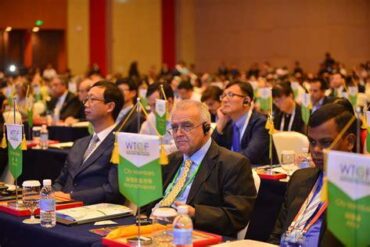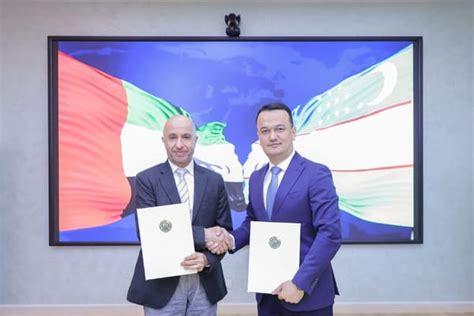
Uzbekistan and Hong Kong have embarked on an ambitious journey to reshape their tourism landscapes through strategic partnerships aimed at tapping into emerging travel niches. This collaboration was prominently featured at the ITE Hong Kong 2025, one of Asia’s most important travel exhibitions, held from June 12 to 15 at the Hong Kong Convention and Exhibition Centre. During this event, Uzbekistan showcased its rich cultural heritage and diverse travel offerings, marking a significant step towards establishing itself as a compelling destination in the Asian travel market.
The dynamic national pavilion organized by the Tourism Committee of the Republic of Uzbekistan stood out due to its vibrant design that encapsulated the essence of Uzbek culture. Visitors were treated to a rich tapestry of Uzbekistan’s historical sites, architectural wonders, and an array of traditional crafts that reflect the artistic spirit of the nation. The pavilion not only served as a promotional space but also as a cultural hub, providing engaging experiences through live traditional music and interactive presentations that captivated attendees.
As the event unfolded, numerous business meetings took place, fostering meaningful dialogues between Uzbekistan and Hong Kong tourism stakeholders. These discussions were instrumental in laying the groundwork for future cooperation, focusing on enhancing two-way tourist flows and promoting Uzbekistan as a prime travel destination for Asian tourists. The strategic importance of Hong Kong as a gateway to the Asia-Pacific region cannot be overstated, as it opens avenues to attract visitors from China, Taiwan, Japan, South Korea, and Southeast Asia.
Exploring New Tourism Segments
The collaboration between Uzbekistan and Hong Kong aims to diversify tourism offerings and tap into various emerging travel segments. The primary areas of focus include:
- Ecotourism: Leveraging Uzbekistan’s stunning natural landscapes and protected areas to attract environmentally conscious travelers.
- Cultural Tourism: Highlighting the country’s rich Silk Road heritage and historical landmarks, which are integral to its identity and appeal.
- Wellness and Recreational Tourism: Catering to the growing demand for health-oriented travel experiences, offering visitors a chance to rejuvenate in serene surroundings.
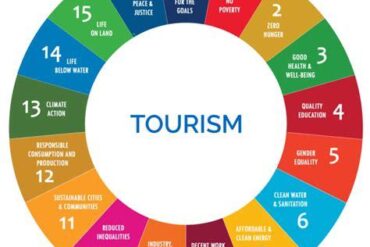
These segments not only promise to enhance the tourist experience but also aim to promote sustainable practices that benefit local communities and preserve Uzbekistan’s unique environment.
Digital Transformation in Tourism
In line with modern travel trends, Uzbekistan is committed to improving its digital tourism services. This includes the development of user-friendly online booking platforms and innovative virtual tourism tools that streamline the travel planning process for potential visitors. By embracing technology, Uzbekistan aims to position itself as a forward-thinking destination that meets the evolving needs of travelers in the digital age.
The partnership with Hong Kong also emphasizes the importance of cross-market promotion strategies. As both regions work towards building a robust tourism ecosystem, they recognize the need to leverage their unique strengths. Hong Kong’s established status as a major international travel hub, coupled with Uzbekistan’s rich cultural offerings, creates a synergistic relationship that can significantly enhance visibility in the global tourism market.
Aviation Expansion and Connectivity
Further discussions at ITE Hong Kong 2025 highlighted the crucial role of aviation in facilitating tourism growth. Uzbekistan Airways engaged in talks with Airbus, exploring potential collaborations to strengthen its operations and expand its international flight network. This initiative underscores Uzbekistan’s commitment to improving air connectivity, which is vital for attracting a new wave of international travelers.
With enhanced connectivity, Uzbekistan aims to make its destinations more accessible, thereby increasing the influx of tourists eager to explore its rich cultural heritage and natural beauty. Improving the aviation framework not only benefits tourists but also supports local economies by creating jobs and stimulating related sectors.
A Vision for Sustainable Tourism Development
Uzbekistan’s participation in the ITE Hong Kong 2025 is a testament to its broader goals of sustainable tourism development. The country is actively working to improve tourism infrastructure and develop targeted marketing strategies tailored to different regional markets. By promoting sustainable practices and enhancing global connectivity, Uzbekistan positions itself as a responsible tourism destination ready to welcome visitors from around the world.
Moreover, the emphasis on cultural exchange and tourism diversification reflects a deep understanding of the evolving travel landscape. As travelers increasingly seek authentic experiences that connect them with local cultures, Uzbekistan’s rich history and traditions offer an unparalleled opportunity to captivate and engage visitors.
Conclusion: A New Era of Tourism Collaboration
The collaboration between Uzbekistan and Hong Kong marks a pivotal moment in the realm of international tourism. By setting a bold agenda for long-term cooperation, both regions are poised to redefine travel experiences, promote cultural exchanges, and foster economic growth. The momentum generated from the ITE Hong Kong 2025 is expected to yield fruitful outcomes, positioning Uzbekistan firmly on the global tourism map and enhancing its appeal as a destination of choice for travelers across Asia and beyond.
As Uzbekistan continues to embrace innovation, prioritize sustainability, and cultivate meaningful partnerships, it is well on its way to realizing its vision of becoming a leading player in the global tourism industry.