Tourism Malaysia is executing a transformational strategy in Central Asia, accelerating its market expansion in Uzbekistan ahead of the landmark Visit Malaysia 2026 campaign. With Central Asia increasingly recognized as a high-potential outbound market, Malaysia is investing heavily in this region — and nowhere is this more evident than in Uzbekistan. This bold push isn’t simply about promotional fanfare; it’s about deep-rooted partnerships, culturally-tailored offerings, and a firm stake in the future of Muslim-friendly global tourism.
Malaysia’s Central Asian Pivot: Why Uzbekistan Matters
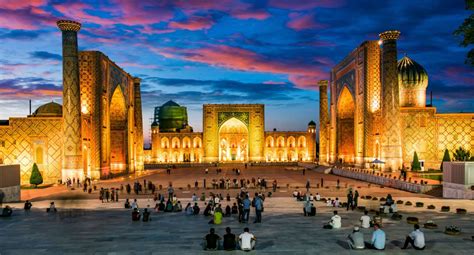
Uzbekistan, a nation rich in Islamic heritage and boasting a burgeoning outbound travel sector, has become a focal point for Malaysia’s tourism diplomacy. Central to this initiative is the belief that travel is not just transactional — it’s cultural, spiritual, and aspirational. Malaysia, with its strong Islamic identity and infrastructure tailored to Muslim travelers, sees a natural alignment with Uzbek tourists.
The strategic expansion began in earnest with a series of tourism seminars and B2B networking events in Tashkent and Samarkand on June 11 and 13, 2025. These sessions attracted influential Uzbek tour operators and travel businesses, exposing them to Malaysia’s evolving tourism products designed specifically for the Central Asian demographic.
The focus? Muslim-friendly tourism. This includes everything from Halal-certified hotels and Islamic cruises to Shariah-compliant travel packages — all of which are tailored to the cultural values and religious practices of Uzbek travelers. These offerings fall under Malaysia’s Muslim-Friendly Tourism and Hospitality Assurance and Recognition (MFAR) framework, which has emerged as a hallmark of credibility in the sector.
Visit Malaysia 2026: Laying the Groundwork in Advance
With 2026 set to be a flagship year for the country’s inbound tourism efforts, the groundwork being laid in Uzbekistan is both strategic and symbolic. Visit Malaysia 2026 isn’t a short-term marketing drive; it’s a multi-year national initiative built on the principles of inclusivity, collaboration, and cultural respect.
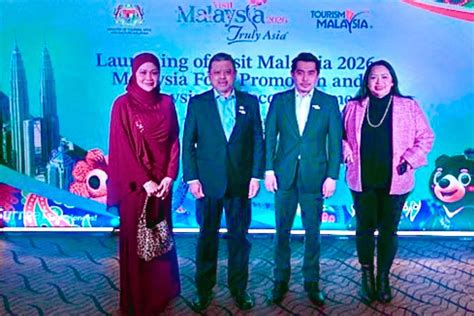
At the heart of the campaign’s early momentum is Mr. Mohd Akbal Setia, Director of International Promotions (America, Europe, Oceania) at Tourism Malaysia. His keynote remarks in Uzbekistan outlined not just the country’s readiness to welcome more visitors, but its commitment to being a culturally compatible, spiritually enriching destination for the Muslim world. Mr. Setia emphasized the strategic significance of Uzbekistan within Malaysia’s tourism roadmap and the enduring value of people-to-people diplomacy.
Building Muslim-Friendly Travel Infrastructure
Malaysia’s tourism blueprint emphasizes authenticity over tokenism. For Central Asian travelers — especially practicing Muslims — travel logistics often go beyond affordability or scenic beauty. They require assurances on Halal food access, prayer facilities, and the cultural ambiance of their destination.
Malaysia’s tourism infrastructure reflects this understanding:
- Hotels and resorts certified under MFAR to ensure compliance with Islamic principles.
- Muslim-friendly guided tours offering itineraries that include religious landmarks, Islamic museums, and heritage mosques.
- Restaurants and eateries adhering strictly to Halal certification with clear labeling.
- Airlines like Uzbekistan Airways helping facilitate religious accommodations in-flight and at key entry points.
In a world where Islamic travel is evolving into a lifestyle-driven segment, Malaysia is not just keeping pace — it is setting benchmarks.
Strategic Collaborations with Uzbek Partners
Tourism Malaysia’s work in Uzbekistan is also powered by deep strategic collaborations. Key among them are:
- Uzbekistan Airways, which now offers enhanced direct connectivity, making it more convenient for Uzbek citizens to visit Malaysia.
- The Islamic Tourism Centre (ITC), a critical driver behind Muslim-friendly travel innovation and certification.
- The Malaysia Inbound Chinese Association (MICA), which brings valuable insights into multilateral tourism marketing and visitor management.
These alliances not only increase Malaysia’s visibility but foster trust and long-term cooperation, especially crucial in an emerging market like Uzbekistan where tourism decisions are often influenced by community leaders and local business networks.
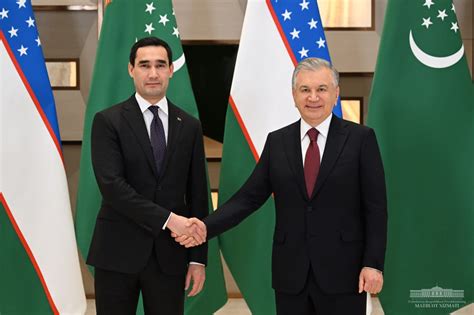
Tourism as Diplomacy: More Than Numbers
The figures speak volumes. In 2024 alone, Malaysia welcomed over 39,000 visitors from Kazakhstan, along with thousands more from Turkmenistan, Kyrgyzstan, and Tajikistan. These are not one-off spikes but part of a regional trend — one that Malaysia is smartly capitalizing on.
Tourism Malaysia isn’t merely chasing visitor statistics. The nation’s tourism leadership recognizes the transformative power of tourism as a soft diplomacy tool. Cultural exchanges, shared faith, and economic collaboration all intertwine under the umbrella of travel. The Visit Malaysia 2026 campaign underscores this holistic approach, ensuring that every effort — from marketing to service delivery — respects and celebrates the traditions of Central Asian Muslim communities.
Central Asia’s Rising Middle Class and Travel Demand
The rise of a travel-hungry middle class in Central Asia is driving unprecedented outbound movement, with countries like Uzbekistan seeing a surge in passport holders and airline capacity. For many, Southeast Asia — and Malaysia in particular — offers a compelling mix of value, safety, religious familiarity, and scenic diversity.
Malaysia’s value proposition to these travelers includes:
- Affordable luxury: Upscale experiences at mid-market prices.
- Visa facilitation and streamlined travel procedures.
- Multilingual support, including Russian, which is widely spoken across Central Asia.
- Religious continuity, allowing travelers to explore new cultures without sacrificing their faith-based routines.
Envisioning a Milestone Year in 2026
As Visit Malaysia 2026 draws closer, the government’s ambition is clear: to position Malaysia as the undisputed leader in Muslim-friendly tourism in Asia. Central Asia’s role in this journey is foundational. By laying deep cultural and operational roots in Uzbekistan now, Malaysia is engineering not just a successful campaign, but a lasting regional relationship.
The implications are vast. A successful campaign in Uzbekistan could serve as a blueprint for engagement with neighboring Muslim-majority nations. It may also pave the way for further economic and educational exchanges, as tourism often acts as a catalyst for broader bilateral engagement.
A Sustainable, Relationship-Based Approach
Unlike flash-in-the-pan tourism promotions, the Malaysia-Uzbekistan initiative is anchored in sustainability, cultural respect, and economic inclusivity. It signals a long-term commitment — one where travelers are treated as cultural ambassadors, not just revenue sources.
By crafting customized packages, engaging local travel agents, and prioritizing value-aligned experiences, Malaysia is nurturing trust in markets where personal connections matter more than polished advertisements. The path to 2026 is not just about scaling numbers, but deepening mutual understanding and strengthening tourism ecosystems between nations that share more than just flight routes.
Conclusion: Malaysia’s Visionary Bet on Uzbekistan
Malaysia’s strategic expansion in Uzbekistan represents more than a tactical maneuver ahead of Visit Malaysia 2026. It reflects a visionary approach to tourism development — one that blends commerce with culture, and marketing with meaning.
With tailored Muslim-friendly offerings, solid airline and institutional partnerships, and a powerful message of cross-cultural hospitality, Malaysia is asserting itself as the Muslim world’s premier travel destination. If the success in Uzbekistan is any indication, 2026 could well mark a new golden era for Malaysian tourism, firmly anchored in the heart of Central Asia.