Understanding the Aircraft Engine Leasing Landscape
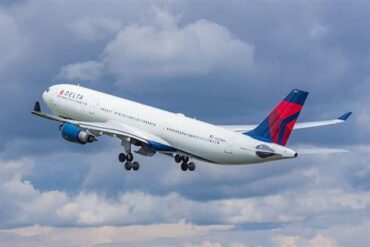
Aircraft engine leasing has become an indispensable pillar of modern aviation economics, reshaping how airlines manage costs, operational efficiency, and asset flexibility. As of 2023, over 50% of the global commercial and cargo aircraft fleet operates under leasing arrangements—more than double the figure in 2000. This transformation is mirrored in the engine leasing sector, where demand for dynamic, adaptable leasing models continues to accelerate.
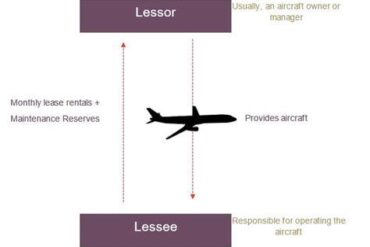
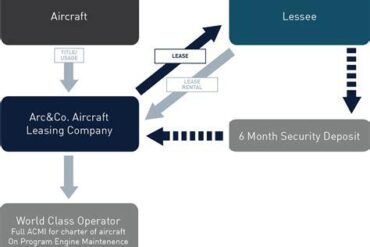
At its core, engine leasing involves an agreement where an engine owner leases an aircraft engine to an operator, typically an airline, for a specified period and price. This arrangement circumvents the capital-intensive commitment of purchasing new engines, allowing airlines to preserve liquidity and avoid depreciation risks.
The Strategic Value of Engine Leasing for Airlines
Engine leasing delivers substantial operational and financial advantages for airline operators:
1. Capital Preservation
Purchasing high-performance aircraft engines demands significant capital investment. Leasing eliminates the need for upfront capital outlay, enabling airlines to allocate resources elsewhere, such as route expansion or digital transformation.
2. Reduced Downtime and Enhanced Flexibility
By leasing replacement engines during shop visits or unforeseen failures, airlines maintain fleet continuity and minimize grounded aircraft, ensuring steady revenue streams and preserving passenger trust.
3. Depreciation Risk Mitigation
Aircraft engines rapidly lose value over time due to wear and technology advancements. Leasing shifts the residual value risk to lessors, relieving airlines from unpredictable depreciation impacts.
4. Market Responsiveness
Leasing empowers carriers to align their engine assets with seasonal or sudden changes in demand, particularly post-pandemic when flight frequency and routes fluctuate rapidly.
The Role of Specialized Lessors and MRO Integration
Entities like MTU Maintenance Lease Services exemplify the convergence of technical excellence and asset management acumen. Unlike traditional financiers, MTU combines its leasing capabilities with deep-rooted Maintenance, Repair, and Overhaul (MRO) expertise. This hybrid model creates a holistic, lifecycle-based service ecosystem.
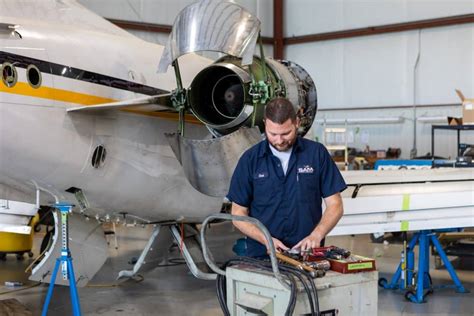
With over 100 engines in its leasing pool, MTU offers both operational readiness and strategic asset utilization for its clients. Engines that are idle can be absorbed into MTU’s leasing pool, enhancing both liquidity for the airline and availability for other operators.
Green-Time Engines: Maximizing Remaining Value
A key innovation in the leasing sector is the green-time engine concept—engines with sufficient remaining life to avoid or delay costly shop visits. Leasing green-time engines allows airlines to bridge operational gaps efficiently, especially when repairs are not cost-justified.
This approach proves especially valuable when dealing with older engine generations, where extensive maintenance offers diminishing returns. Green-time leasing ensures airlines extend the operational life of their fleets while maintaining cost discipline.
Short-Term Leasing: Tactical Advantage for Fleets
Short-term engine leasing, typically spanning three months to three years, is gaining traction as airlines seek flexible stop-gap solutions. This model is particularly effective for:
-
Covering scheduled shop visits
-
Reacting to unexpected failures
-
Delaying capital expenditures
In an MRO environment still constrained by post-pandemic bottlenecks, short-term leasing offers a pragmatic alternative to long waiting times and high material costs.
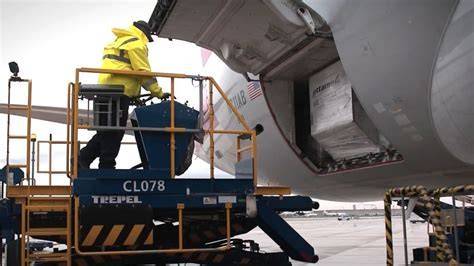
Engine Teardowns: Sourcing High-Demand Components
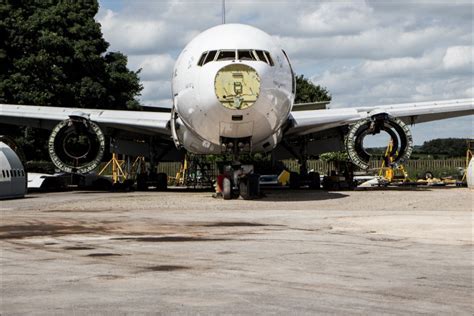
As aircraft and their engines approach retirement, teardowns provide access to valuable used serviceable materials (USM). These components are reintegrated into the MRO network, supporting both cost-effective repairs and the creation of new green-time engines.
For example, partnerships between MTU Maintenance and Aircraft End-of-Life Solutions (AELS) allow the acquisition of entire aircraft from airlines like Virgin Australia. The airframe is dismantled by AELS, while MTU harvests high-value components from the engines, fueling future leasing and parts programs.
Such collaborations are vital in today’s market, where pandemic-era delays in decommissioning have led to acute shortages of parts—especially for legacy models like the GE90-115 and CF6-80C2.
Technical Asset Management: Engine Lifecycle Intelligence
The sophistication of Technical Asset Management Services (TAMS) cannot be overstated. Airlines and lessors alike depend on these services to make data-driven decisions about engine condition, lease compliance, and residual value. TAMS offerings typically include:
-
Scope definition and shop visit planning
-
Documentation audits and return inspections
-
Engine replacement coordination
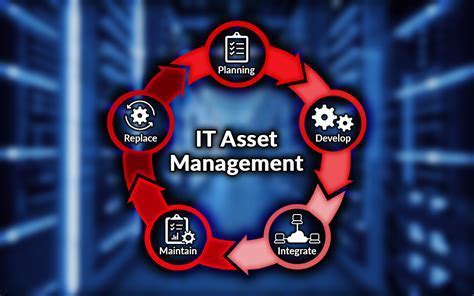
For instance, lease contracts may stipulate a minimum remaining service life (e.g., 2,000 cycles) upon return. If an engine’s usage trajectory threatens non-compliance, a leased replacement engine can be inserted to meet conditions and avoid costly penalty clauses.
Optimizing Fleet Performance Through Asset Management
Beyond technical services, asset management plays a strategic role in ensuring engines are utilized to their full potential throughout their lifecycle. This includes:
-
Engine evaluations and residual value forecasts
-
Purchase or lease of high-value engines
-
Spare parts storage and resale
-
Recycling and end-of-life planning
MTU’s global team of over 70 experts, based in Amsterdam, Dublin, and Singapore, uses proprietary digital tools to optimize these decisions. Asset management today constitutes more than half of MTU Maintenance Lease Services’ business volume, underlining its pivotal value to modern aviation.
The Shift in Global Trends Post-Pandemic
The pandemic disrupted aircraft retirement schedules, reducing the volume of decommissioned airframes and engines. From 160 widebody decommissions per year pre-COVID, the number dropped to 97 in 2022, exacerbating supply shortages for spare parts.
Airlines, unable to source replacements or new aircraft due to OEM delivery delays, opted to extend the life of older fleets, increasing demand for leasing and green-time strategies. This paradigm shift reinforces leasing not just as a stop-gap measure but a strategic pillar of fleet management.
The Future of Engine Leasing: Digital, Circular, and Strategic
The evolution of engine leasing aligns with broader aviation trends: digitalization, sustainability, and cost optimization. Key developments include:
-
Digital twins to track engine health and optimize maintenance schedules
-
Circular economy practices, such as USM reuse and recycling
-
Real-time asset tracking for better fleet planning
Lessors with integrated MRO and asset management capabilities—like MTU—are best positioned to meet these emerging demands. Their dual advantage of technical depth and commercial flexibility offers clients unmatched value.
Frequently Asked Questions
What is aircraft engine leasing and how does it benefit airlines?
Aircraft engine leasing is a financial agreement where an airline rents an engine instead of purchasing it. This approach provides cost savings, operational flexibility, and minimizes downtime by allowing for quick replacement during maintenance or failure.
What are green-time engines and why are they important?
Green-time engines are units with remaining service life before major maintenance is required. They help airlines avoid immediate shop visits and reduce repair costs by extending the lifecycle of existing aircraft with efficient, short-term solutions.
How does technical asset management support engine leasing?
Technical asset management ensures engines meet contractual obligations and operational needs. Services include planning shop visits, managing lease returns, and providing documentation compliance—critical for maximizing engine value and avoiding penalties.