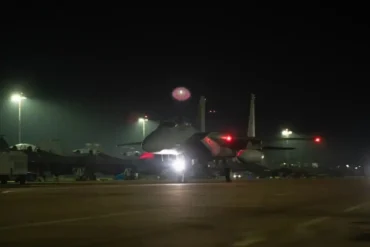
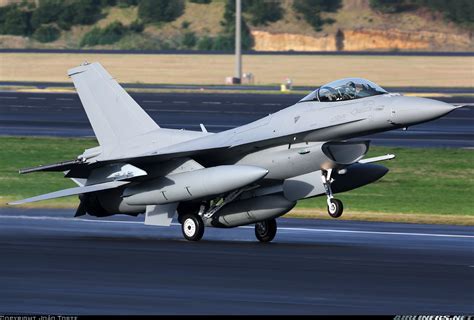
The Royal Air Force of Oman (RAFO) has played a critical role in the country’s defense and regional security, and the acquisition of F-16 Fighting Falcons has been a pivotal component of its modernization efforts. The Lockheed Martin F-16, renowned for its versatility, speed, and combat efficiency, has strengthened Oman’s ability to maintain air superiority and support ground operations.
Procurement History and Fleet Composition
First Acquisition Phase (2002)
In 2002, Oman initiated its first batch of F-16 procurement under the Peace A’sama A’safiya I (Peaceful Skies I) program, securing a contract with the United States to purchase 12 F-16C/D Block 50 aircraft. This package included:
- 8 single-seat F-16C models
- 4 dual-seat F-16D models (designed for training and operational flexibility)
- F110-GE-129 engines for superior thrust performance
- AN/APG-68(V)XM radar systems for enhanced situational awareness
Deliveries commenced in 2005, with the fleet becoming fully operational by 2006. This procurement positioned Oman as the fifth Arab nation to integrate the F-16 into its air force.
Second Acquisition Phase (2011)
A decade later, Oman reinforced its air power by signing a second contract in 2011 to acquire 12 additional F-16s at a cost of approximately $600 million. This batch included:
- 10 single-seat F-16C models
- 2 dual-seat F-16D models
Delivery of these aircraft took place between 2013 and 2016, expanding the total fleet to 24 F-16s. However, due to an aircraft loss in 2013, the operational fleet currently consists of 23 F-16s, including 18 F-16C and 5 F-16D aircraft.
Advanced Technology and Combat Capabilities
Enhanced Performance and Avionics
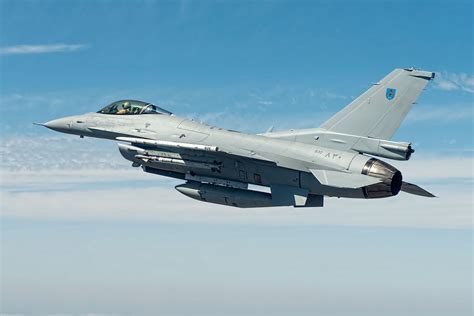
The F-16 Block 50 variant was tailored for high-temperature desert operations, making it well-suited for Oman’s harsh climate. Key technological features include:
- AN/APG-68(V)XM radar, offering superior range and electronic countermeasures
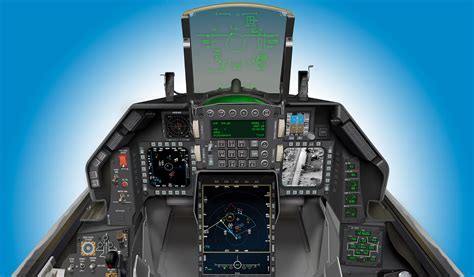
- Night Vision Imaging System (NVIS)-compatible cockpit
- Joint Helmet-Mounted Cueing System (JHMCS) for improved targeting
- Precision-guided weapon integration, supporting AIM-120 AMRAAM missiles, AGM-88 HARM, and JDAM bombs
Operational Roles and Tactical Advantages
Oman’s F-16s are capable of executing multi-role missions, including:
- Air-to-air combat using AIM-120 and AIM-9X Sidewinder missiles
- Air-to-ground strikes with laser-guided and GPS-guided munitions
- Maritime patrol and interdiction over the Arabian Sea and Gulf of Oman
- Reconnaissance and surveillance using advanced targeting pods
Strategic Importance in Regional Defense
Defending the Strait of Hormuz
The Strait of Hormuz, a vital global oil transit route, is of critical strategic interest for Oman. The deployment of F-16s enhances its aerial deterrence capabilities, ensuring secure trade routes and national sovereignty.
Integration with Typhoon Fighter Fleet
To establish air superiority, Oman has also procured 12 Eurofighter Typhoon jets (delivered in 2018). The F-16s serve as cost-effective multi-role fighters, complementing the Typhoon fleet, which specializes in air dominance and advanced electronic warfare. This combination enables a high-low mix strategy, maximizing operational effectiveness.
Regional Military Cooperation
Oman actively participates in joint military exercises with regional allies such as Saudi Arabia, the UAE, and the U.S. These drills enhance interoperability and ensure readiness for potential coalition operations.
Maintenance, Upgrades, and Future Plans
Sustainment and Logistics Support
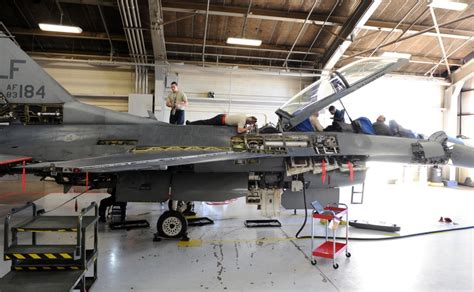
The U.S. provides extensive logistical support for Oman’s F-16s, including:
- Pilot and crew training programs in collaboration with the U.S. Air Force
- Spare parts and maintenance support to sustain high operational readiness
- Advanced avionics upgrades for improved mission performance
Potential Future Enhancements
Although no new procurement plans have been announced, Oman is expected to extend the lifespan of its F-16 fleet through:
- Radar upgrades to AESA-based systems for superior detection and targeting
- Integration of next-generation air-to-air missiles
- Enhanced electronic warfare (EW) capabilities to counter modern threats
Coordination with Other Aircraft
Oman’s air force structure includes various aircraft to support F-16 operations:
- Eurofighter Typhoon for air superiority missions
- Hawk 203 for pilot training and light attack roles
- C-130J Super Hercules for logistical and troop transport
- CN-235 and CASA 295M for maritime patrol and surveillance
This diversified fleet ensures a well-balanced, mission-ready force that can respond to different operational needs.
Conclusion
Through two procurement phases, Oman has developed a highly capable F-16 fleet, integrating cutting-edge avionics, precision weaponry, and strategic deployment to maintain air superiority. As geopolitical challenges evolve, future upgrades and enhanced coordination with other aircraft will be essential to sustaining Oman’s regional air power projection.
Frequently Asked Questions
1. How many F-16s does Oman currently operate?
As of 2024, Oman operates 23 active F-16C/D Block 50 aircraft, following the loss of one jet in 2013.
2. What makes Oman’s F-16s unique compared to other variants?
Oman’s F-16 Block 50 aircraft are optimized for high-temperature environments, featuring enhanced radar systems, advanced avionics, and compatibility with precision-guided weapons.
3. Does Oman plan to acquire more F-16s in the future?
While no additional purchases are currently confirmed, Oman is expected to upgrade its existing fleet with AESA radar, electronic warfare enhancements, and next-generation weaponry to extend operational viability.