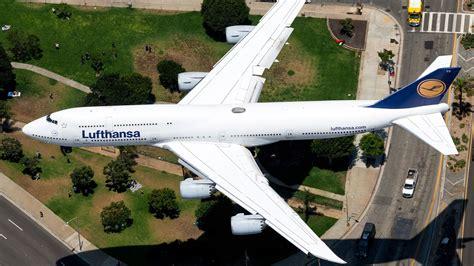
The recent acquisition of two ex-Lufthansa Boeing 747-8i aircraft by the United States Air Force (USAF) marks a calculated and future-focused move, signaling not just a shift in fleet modernization, but a bold strategy to extend the operational flexibility of the legendary Jumbo Jet deep into the 21st century. While the Boeing 747 program has officially ended, the aircraft’s engineering, capacity, and adaptability ensure it remains indispensable—especially in the defense domain.
Lufthansa’s Unique Position as a 747-8i Operator
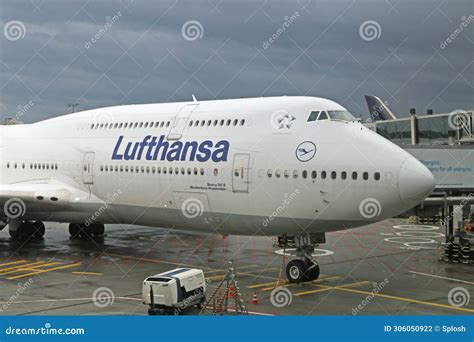
Lufthansa, with its 19 Boeing 747-8 aircraft, is not only the largest operator of the passenger variant but also a vital contributor to the model’s continued viability. Backed by Lufthansa Technik’s global MRO (maintenance, repair, and overhaul) capabilities, the airline has maintained its fleet at exceptional standards, making its airframes particularly attractive to second-life buyers like the USAF.
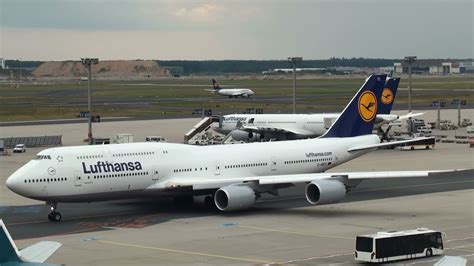
The specific jets purchased—D-ABYD (Mecklenburg-Vorpommern) and D-ABYG (Baden-Württemberg)—represent the mature end of Lufthansa’s 747-8i fleet, each with over a decade of flight history. Still actively flying transatlantic routes to cities like Los Angeles, San Francisco, and New York, these aircraft remain in robust condition. Their selection reflects not only cost-effectiveness but also strategic foresight: both planes are flight-tested, logistically compatible, and require less modification for integration into a military environment.
Strategic Intent: Training, Sustainment, and More?
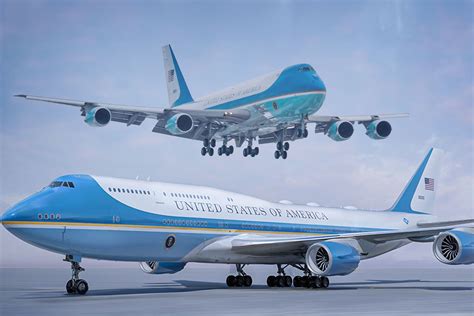
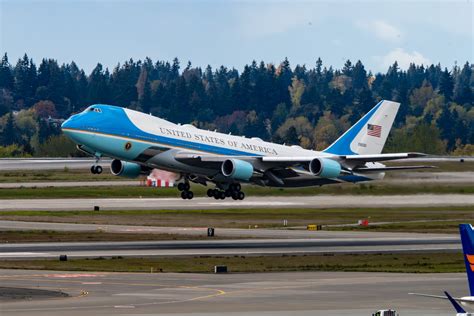
The USAF has been clear that these aircraft will initially serve training and spare parts purposes, enabling crews to familiarize themselves with the platform while ensuring long-term sustainability for its growing 747-8i fleet. This move is part of the broader Presidential Airlift Recapitalization strategy, which aims to replace the aging VC-25A (based on the Boeing 747-200) with the VC-25B, a modified Boeing 747-8i.
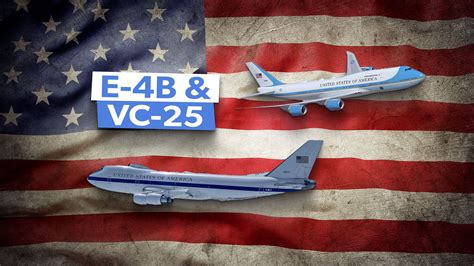
The current order includes two airframes—originally built for Russia’s now-defunct Transaero—and the recent Qatar Emiri Air Force 747-8i, temporarily modified as an interim Air Force One. Added to these, the two ex-Lufthansa aircraft expand the USAF’s operational pool to four to five aircraft by 2029, depending on final conversion paths.
But these numbers may not be static. With Sierra Nevada Corporation (SNC) also acquiring five ex-Korean Air 747-8is for use as the E-4C Survivable Airborne Operations Center (SAOC), the total number of 747-8is in USAF service could soon hit double digits. In total, the USAF would command around 21% of the entire 747-8i production run, making it a dominant military operator of the type.
The Versatility of the 747-8 Platform
What makes the 747-8i ideal for military roles lies in its fundamental design: size, range, structural resilience, and onboard capacity. Unlike Airbus’s A380, which is limited in adaptability and landing site compatibility, the Boeing 747-8 is far more practical. Boeing delivered 48 passenger 747-8is, and 107 freighter versions, proving its modular utility.
The 747-8i also boasts:
- Intercontinental range, crucial for executive transport missions.
- Upper-deck configuration offering unique space for secure communications, command centers, and rest areas.
- High payload capacity, useful for conversion into airborne command posts or refueling platforms.
- Established global parts and service ecosystem, reducing downtime and ensuring long-term viability.
With these strengths, the aircraft is already serving diverse roles worldwide—from Egypt’s VIP transport to South Korea’s and China’s governmental jets.
Building a Presidential and Strategic Backbone
While the VC-25Bs are designed as next-generation Air Force One aircraft, the additional ex-Lufthansa 747-8is may find more dynamic purposes in the future. Potentially, they could be configured as secondary command aircraft, airborne logistics platforms, or high-security executive transports.
Importantly, the 747-8i is being adopted for strategic command functions with the replacement of the aging E-4B Nightwatch fleet. With Boeing declining to participate in the E-4C program, SNC stepped in, acquiring five ex-Korean Air 747-8is. These aircraft will form the backbone of America’s airborne strategic command infrastructure—the Doomsday planes designed to operate during national emergencies.
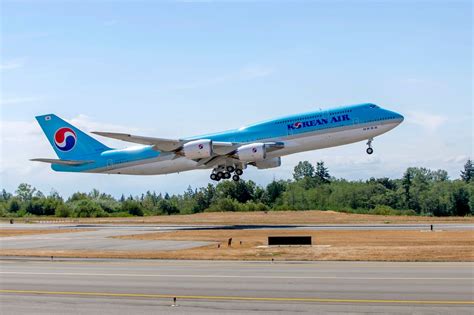
By investing in 747-8is from multiple sources, the USAF creates a standardized platform architecture, reducing training and maintenance complexity across roles.
Retired, But Not Forgotten: Second-Life for Commercial Airframes
One of the most pragmatic reasons for acquiring Lufthansa’s aircraft is sustainability. As 747-8is gradually exit commercial service—Air China, Lufthansa, and Korean Air being the only airlines to operate them—the window for acquiring viable airframes is narrowing.
Commercial 747-8is are being eyed globally for:
- Freighter conversions
- VIP modifications
- Special mission aircraft, including surveillance and aerial refueling
Rather than allow these highly capable platforms to drift into obsolescence or foreign hands, the USAF is positioning itself to capitalize on a diminishing yet highly adaptable fleet.
Political and Symbolic Importance
No discussion of Air Force One or the USAF’s long-term fleet planning is complete without addressing optics. The Boeing 747, with its distinct silhouette, carries symbolic weight unmatched by other aircraft. Choosing an American-made aircraft is not just logistically sound but politically imperative.
Imagine replacing the President’s aircraft with a non-US platform such as the Airbus A380—logistically complex, politically unpalatable, and symbolically discordant. The 747-8i, therefore, is not just a choice of functionality but a representation of American ingenuity and global leadership.
Engineering Legacy and Forward Compatibility
The Boeing 747-8 incorporates advanced aerodynamics, next-gen GEnx-2B67 engines, and modern avionics. These systems extend its operational lifespan and align it technologically with USAF needs through at least 2060.
Moreover, components such as:
- Flight deck systems
- Engine parts
- Landing gear
…are shared across commercial and freighter versions, creating a robust supply chain ecosystem and lowering maintenance burdens.
This also opens the door for continued modernization and retrofit packages, ranging from defense communication systems to EMP shielding and in-flight refueling capabilities. The adaptability of the platform means it can support future roles we haven’t even defined yet.
Lessons from Past Conversions
History has shown that the USAF and Boeing can reimagine the 747 platform in extraordinary ways:
- NASA’s Shuttle Carrier Aircraft were modified 747s.
- The Boeing YAL-1 airborne laser testbed was a 747-400.
- Dreamlifters, modified 747-400s, support Boeing’s logistics.
- 747 Supertankers have fought wildfires worldwide.
Given this precedent, the Air Force’s continued investment in 747-8 airframes isn’t just prudent—it’s visionary.

Final Thoughts: Future-Proofing National Airpower
As the commercial age of the Boeing 747-8i comes to a gradual close, its second life in military service is only beginning. The acquisition of Lufthansa’s jets is not simply about training or spare parts—it is about building a modular, scalable, and proven fleet that can evolve with national needs.
The USAF’s diversified yet unified 747-8i strategy ensures that no matter the mission—executive transport, airborne command, strategic deterrence, or rapid crisis response—it will have the tools and platforms to deliver.
In the coming decades, as airframes age and newer generations of stealth and unmanned systems emerge, it may just be the reliability, capacity, and iconic status of the Boeing 747-8i that keeps it flying at the heart of American airpower.