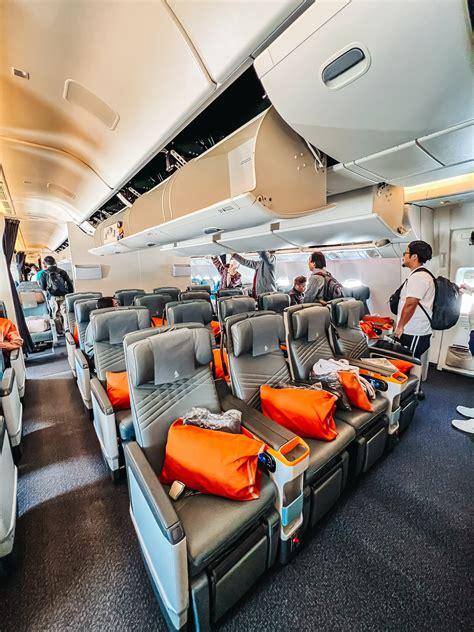
Premium economy has evolved into one of the most strategically significant cabin classes in modern aviation, reshaping how travelers perceive value, comfort, and long-haul endurance. As global travel demand surged beyond pre-pandemic levels, the sector witnessed a distinct shift: passengers became more willing to pay for a better inflight experience without committing to the high price of business class. This dynamic has transformed premium economy from an experimental concept into a core revenue engine on long international routes. Airlines have taken note, accelerating cabin redesigns and recalibrating service models to capture the swelling interest in this mid-tier bracket.
What makes this evolution compelling is the intersection of traveler psychology and airline economics. For travelers, premium economy is no longer seen as a mere upsell; it has matured into a cabin that addresses fatigue, personal space, and the desire to travel more comfortably after years of disrupted mobility. For airlines, premium economy allows them to optimize cabin density, repurpose legacy business-class seats, and offer a product that strikes a profitable balance between cost efficiency and customer satisfaction. This mutual benefit has given rise to a profound shift in how long-haul flights are structured and marketed.
In the years following global lockdowns, a pattern clearly emerged: passengers were eager to compensate for lost time, exploring farther destinations while prioritizing comfort. Premium economy became the sweet spot—an attainable upgrade that significantly enhances the journey without venturing into high-end luxury pricing. Alongside increased legroom, deeper recline, and dedicated cabins, the soft-product improvements—meal upgrades, amenity kits, priority check-in, and enhanced service—have cemented its position as the preferred choice for millions crossing oceans every year.
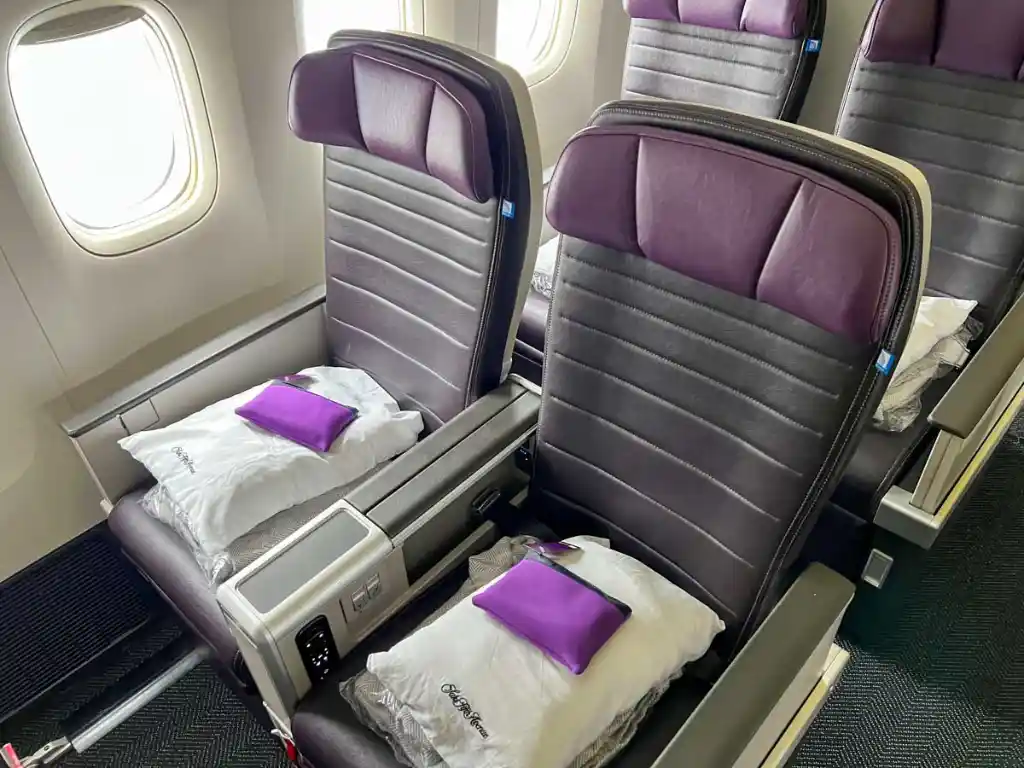
Premium economy’s sudden popularity in the post-pandemic era is neither accidental nor fleeting. Rapidly returning international travel demand exposed the limitations of standard economy for long-haul routes, particularly those stretching 10 hours or more across the Pacific or Atlantic. Travelers seeking a meaningful improvement in comfort—without crossing into high-end fares—quickly found premium economy to be the most appealing option.
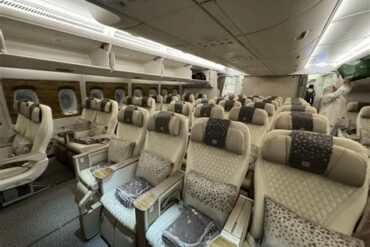
The cabin’s value lies in far more than wider seats and legroom. Many airlines have redesigned portions of their widebodies to create distinct premium economy cabins, ensuring a quieter, more exclusive environment. Some carriers have even repurposed older business-class seats to elevate the offering further, giving premium economy passengers amenities that once belonged to higher tiers. This reflects a broader industry trend: rather than treating premium economy as an afterthought, airlines now position it as a central pillar of their long-haul strategy.
A major contributor to this shift is market sentiment. Travelers returning to international skies after years of restrictions brought new expectations and spending behaviors. They sought a blend of comfort and value, rewarding carriers that invested in upgraded mid-tier products. As global aerospace manufacturers struggled to keep pace with aircraft deliveries and interior retrofits, airlines recognized that premium economy allowed them to innovate quickly without the cost of developing entirely new business-class products.
Why the Value Proposition Resonates Worldwide
The economic gap between economy and business class remains immense, leaving a large portion of travelers priced out of premium cabins. Premium economy fills that void with remarkable precision. For a relatively modest price increase—often 30% to 70% more than standard economy—travelers receive comfort enhancements that dramatically improve long-haul endurance. The math is compelling both psychologically and practically.
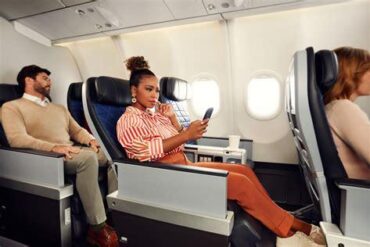
Airlines can customize the premium economy experience through a blend of tangible and intangible upgrades. Tangible improvements include increased seat width, deeper recline, leg rests, and more personal space. Intangible perks include priority boarding, enhanced dining, complimentary alcoholic beverages, superior entertainment screens, and curated amenities. These upgrades transform the cabin into a high-value product that resonates with leisure travelers, remote workers maximizing productivity in transit, and even corporate travelers who no longer have the budget for business class.
Airlines Leading the Premium Economy Revolution
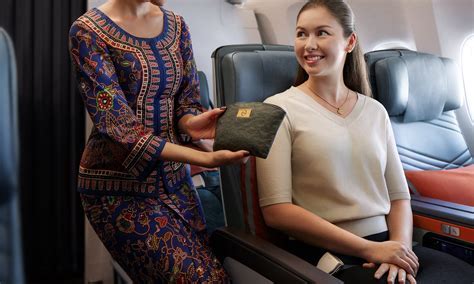
Global rankings reveal that only a handful of carriers consistently set the gold standard for premium economy. According to widely recognized industry benchmarks, the highest-rated operators include Virgin Atlantic, Japan Airlines, Emirates, Singapore Airlines, and EVA Air. These airlines demonstrate how diversified premium economy offerings can be while meeting consistently elevated expectations.
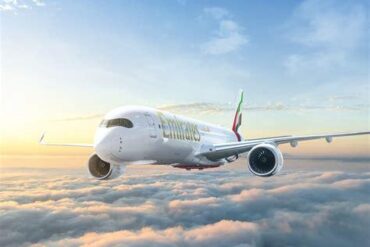
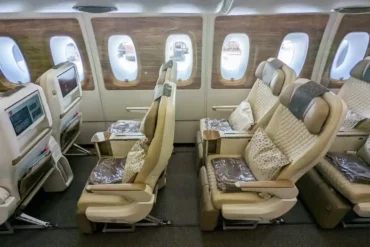
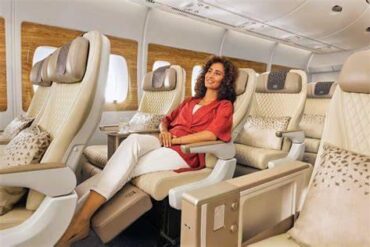
Virgin Atlantic’s premium economy combines deep-recline leather seating with elevated meal service and signature touches like sparkling wine on boarding. Japan Airlines—known for meticulous cabin design—features a shell-style seat developed by Recaro, offering generous personal space and privacy. Emirates, a name synonymous with inflight luxury, integrates its premium economy product with plush leather seating, enhanced dining, and exceptional soft-product quality.
Singapore Airlines brings a near-lie-flat contour to some aircraft and pairs it with world-class service and entertainment options. EVA Air, a pioneer in premium economy dating back to the early 1990s, continues to deliver a refined and consistent experience celebrated for exceptional hospitality and thoughtful amenities.
These carriers have influenced dozens of others—including Qantas, ANA, British Airways, Air New Zealand, Delta, United, and Air Canada—to expand or redesign their premium economy offerings. Some airlines operate premium economy on nearly every long-haul route, while others continue to roll out the cabin across expanding widebody fleets.
A Brief Look at Premium Economy’s Origins
Although premium economy feels like a contemporary innovation, its origins stretch back several decades. Qantas planted the seed in the 1970s by introducing a third cabin class aboard its Boeing 747s. While the class was not yet labeled “premium economy,” it laid the groundwork for a middle-tier cabin beyond standard economy.
EVA Air later transformed the concept in the early 1990s, pioneering what would become known globally as premium economy. Its early 747-400s featured a 2-2-2 layout in the nose section of the upper deck—an innovative use of space that offered significantly improved comfort without the steep cost of business class. This experimentation proved commercially successful, inspiring Virgin Atlantic and U.S. carriers to launch their own versions.
Today, modern premium economy blends decades of trial and refinement. Airlines have learned that even modest cabin adjustments—combined with thoughtful service enhancements—can translate into substantial revenue. As competition intensifies, the cabin continues evolving into a refined, differentiated product that increasingly resembles yesterday’s business class.
Why Premium Economy Works in 2025 and Beyond
The accelerating adoption of premium economy across global fleets illustrates its profound role in both market recovery and future growth. Airlines benefit from its strong commercial performance, while passengers enjoy a significantly improved long-haul experience without facing prohibitive costs.
Demand continues its upward climb because the class solves a distinct traveler problem: how to endure ultra-long flights in comfort without making luxury-level financial commitments. This practical balance has led to widespread rollout across aircraft types, from Airbus A350s and A380s to Boeing 777s and 787s.
The decline of first class in many markets further amplifies premium economy’s appeal. As airlines phase out first-class cabins to optimize space and revenue, premium economy absorbs part of the demand for elevated yet attainable comfort. This reshaping of cabin real estate underscores the cabin’s importance as a sustainable long-term product.
Looking Ahead: The Future Design Race
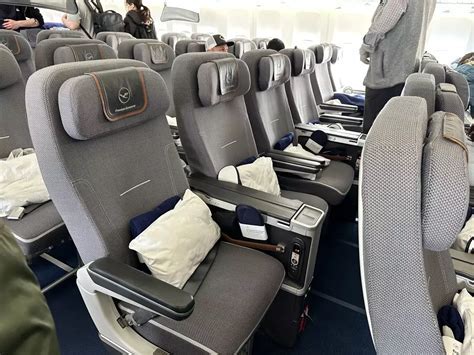
The race to differentiate premium economy is only beginning. Carriers are experimenting with more generous seat pitches, innovative recline mechanics, enhanced privacy features, and advanced cushioning technologies. Some airlines are exploring semi-private shells or fixed backs that keep passengers from disturbing neighbors when reclining. Others focus on soft-product innovation—including artisanal dining, curated beverages, elevated amenity kits, and improved service training.
Digital enhancements are also on the horizon. Airlines are integrating AI-driven meal ordering systems, personalized entertainment profiles, and mood-based lighting cues to elevate cabin ambiance. These features, once exclusive to business class, are steadily making their way into premium economy cabins.
The result is a positive cycle: competition drives improvement, improvement drives demand, and demand incentivizes airlines to invest further. This momentum ensures that premium economy is not merely a trend but a defining structural element of long-haul travel for the foreseeable future.
Premium economy’s emergence as the sweet spot of long-haul aviation represents a rare harmony between airline strategy and traveler desire. It balances practicality and pleasure, cost and comfort, value and experience. As global travel continues to accelerate, the cabin promises to offer an increasingly refined journey for millions pursuing a better way to cross continents. The coming years will reveal even more enhancements as airlines compete fiercely to capture the loyalty of passengers seeking elevated comfort without extravagance.
This expanding commitment to mid-tier comfort marks the beginning of a new chapter in commercial aviation—one where premium economy sets the standard for how long-haul travel should feel, perform, and evolve.