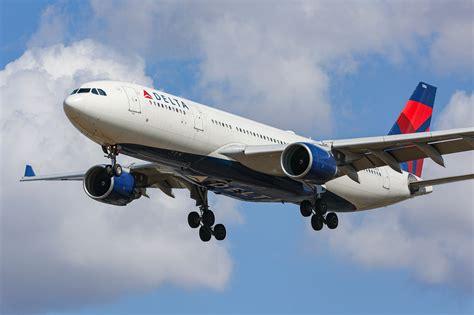
In 2008, Delta Air Lines and Northwest Airlines announced a merger that would not only reshape the aviation industry but also lead to the formation of what became the world’s largest commercial airline. This high-stakes consolidation came during a time of financial turbulence for both companies, and its long-term success hinged on the seamless integration of fleets, hubs, personnel, and strategic visions. The most enduring legacy of this merger, however, may very well be Delta’s acquisition and eventual embrace of the Airbus A330—a move that transformed its international long-haul capabilities and strengthened its global reach.
A Strategic Response to Crisis
In early 2008, the aviation world watched with anticipation as Delta and Northwest entered merger discussions. Both airlines were hemorrhaging cash, having lost a combined $10 billion in just the first quarter. The global recession and rising fuel prices were pushing even major carriers toward insolvency, and merger talks became a lifeline.
When the merger was formally announced on April 14, 2008, Delta gained an enterprise valuation of over $17 billion, securing its position as an industry titan. Importantly, the deal retained the Delta brand and relocated its headquarters to Atlanta, while former Northwest CEO Richard Anderson assumed control of the newly consolidated airline.
Merging the two companies would prove complex. Integrating fleets, aligning employee contracts, merging IT systems, and consolidating terminal operations at major airports were monumental undertakings. Airports like LAX, TPA, and PHL had to restructure operations to host a single unified airline. Meanwhile, Northwest’s loyalty program, WorldPerks, was folded into Delta SkyMiles, creating one of the most extensive frequent flyer networks in the industry.
A New Kind of Fleet: The Airbus A330
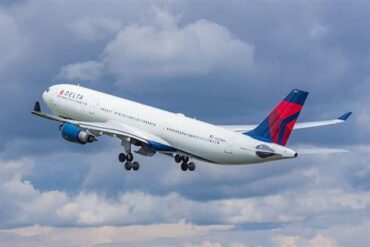
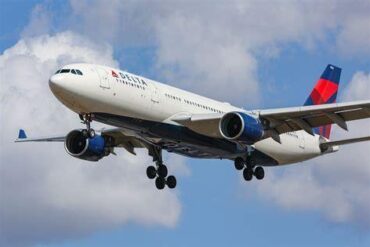
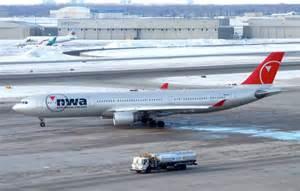
Prior to the merger, Delta’s fleet was made up almost entirely of American-built aircraft from Boeing and McDonnell Douglas. However, Northwest’s contribution to the merged airline included Airbus widebody aircraft, particularly the Airbus A330—an aircraft Delta had never previously operated.
The acquisition of the A330 was not just a matter of fleet expansion—it signaled a strategic pivot. The A330’s performance on long-haul and transatlantic routes made it a perfect fit for Delta’s growing international ambitions. Its mid-capacity, fuel-efficient design made it suitable for both high-demand intercontinental flights and premium domestic routes.
The Airbus A330: Operational and Strategic Advantages
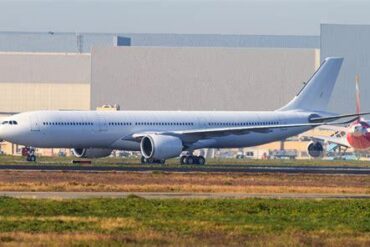
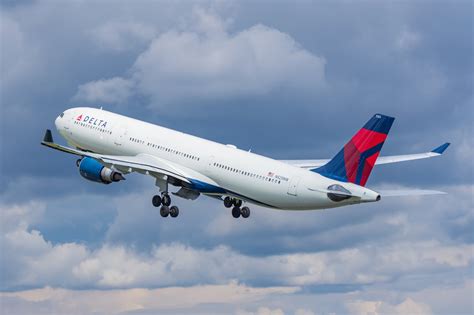
The Airbus A330 gave Delta flexibility and cost advantages that other aircraft in its fleet could not match. It features an eight-abreast 2-4-2 configuration, which significantly improves passenger comfort, especially for couples and families. This seating layout has just two middle seats per row—an attractive trait for travelers seeking comfort without sacrificing density.
From a strategic perspective, the A330 filled a sweet spot in Delta’s widebody lineup. The A330-200, seating 223 passengers, served thinner long-haul routes, while the larger A330-300 and A330-900neo—with 281 and 282 seats, respectively—allowed Delta to serve major hubs and transatlantic corridors with high yields.
Delta now operates a diversified and modern A330 fleet:
- A330-200: 11 aircraft
- A330-300: 31 aircraft
- A330-900neo: 35 aircraft
This fleet became instrumental in establishing Delta’s foothold in key global markets. Daily A330 flights from JFK to London Heathrow (LHR) and JFK to Athens (ATH) are among the most profitable long-haul routes. The aircraft’s range, fuel efficiency, and passenger capacity make it ideal for such services, as well as for transcontinental U.S. routes catering to business travelers.
Minneapolis: A Hub with a Legacy
Another critical asset acquired through the merger was Minneapolis–Saint Paul International Airport (MSP)—a longtime Northwest stronghold. This inland hub provided Delta with a strategic advantage for domestic connectivity and transpacific services. MSP continues to function as a cornerstone in Delta’s network, offering efficient connections across the Midwest and international gateways to Asia.
The merger also gave Delta access to a deeper and more loyal customer base in the Northern U.S., where Northwest enjoyed a dominant presence. Merging loyalty programs further cemented this bond, transforming SkyMiles into one of the most valuable airline loyalty programs in the world.
Long-Term Commitment to the A330
Delta didn’t just inherit A330s—it committed to them. In the years following the merger, the airline placed an order for 39 A330-900neo aircraft, 35 of which are already in service. This investment wasn’t just about modernization—it was about standardizing the fleet for efficiency, maintenance savings, and passenger consistency.
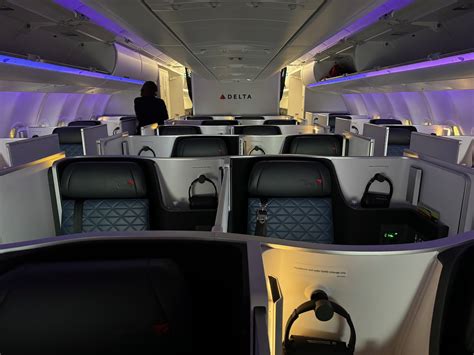
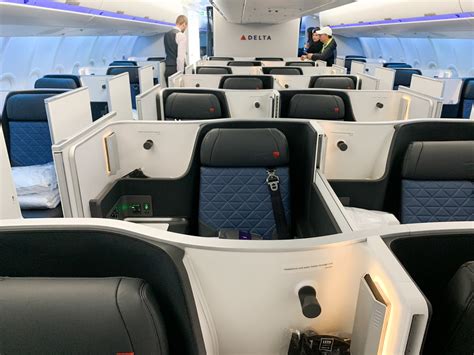
The A330-900neo brings added benefits: new-generation Rolls-Royce Trent 7000 engines, advanced wing aerodynamics, and fuel savings up to 25% compared to previous models. The aircraft also features the airline’s Delta One Suite, which offers fully lie-flat seats with privacy doors—an innovation that resonates strongly with premium international travelers.
An Asset That Defined a Decade
In hindsight, the Airbus A330 emerged as the single most transformative asset gained from the merger with Northwest Airlines. Not only did it provide Delta with versatile aircraft suitable for a wide range of long-haul and high-yield routes, but it also catalyzed a broader strategic evolution for the airline.
It’s rare for a single aircraft type to define an era of an airline’s operations, but in Delta’s case, the A330 has done exactly that. By integrating the A330 into its core fleet, Delta effectively diversified its equipment lineup, gained new market share, improved customer satisfaction, and reduced operational costs—all while maintaining industry-leading reliability.
Without Northwest’s foresight in investing heavily in the Airbus A330, Delta might never have had the opportunity—or the courage—to make Airbus widebodies a central pillar of its fleet. Today, the airline’s ongoing commitment to the A330 family stands as a testament to the enduring value of that historic merger.
Conclusion: A Merger That Soared
The 2008 Delta-Northwest merger was not just a response to economic hardship. It was a calculated strategic maneuver that would position Delta for long-term dominance in the global aviation sector. While operational challenges and integration hurdles were significant, the rewards were even greater.
The Airbus A330, once foreign to Delta’s hangars, now serves as a linchpin of its global operations. Its versatility, passenger comfort, and operational efficiency represent the kind of smart, forward-looking asset that every airline hopes to acquire—but few manage to fully capitalize on.
Delta did. And in doing so, it turned a historic merger into a future-proofed blueprint for global success.