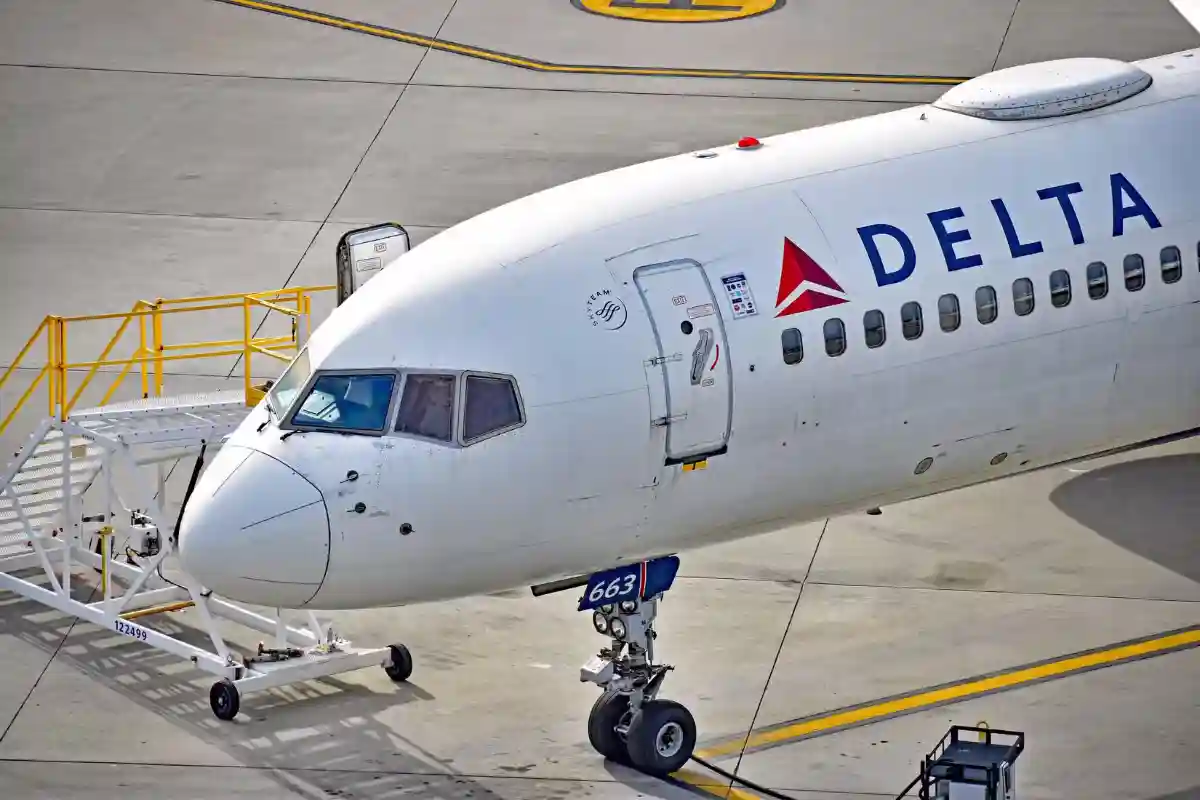
For more than 30 years, one Boeing 757-200 quietly represented the enduring legacy of two of America’s most influential airlines. That chapter has now come to an end as Delta Air Lines officially retires N544US, the last former Northwest Airlines Boeing 757-200 carrying a registration ending in “US.” While its retirement may appear to be a routine fleet update, the aircraft symbolized one of the most significant airline mergers in modern aviation history and the remarkable longevity of one of Boeing’s most respected narrowbody aircraft.
Delivered during the golden era of the Boeing 757, N544US remained in active commercial service through dramatic changes in the airline industry, surviving economic downturns, technological advances, and evolving passenger expectations. Its departure marks another milestone in Delta’s gradual modernization strategy while bringing an emotional conclusion to a small but memorable piece of Northwest’s identity.
The aircraft completed its final journey last month before being ferried to Birmingham-Shuttlesworth International Airport, where it is expected to be dismantled. Components in good condition will likely be harvested for spare parts, while recyclable materials will find new purposes, reflecting the increasingly sustainable approach airlines now take when retiring aging aircraft.
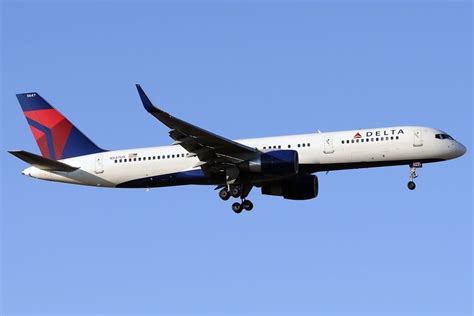
A Boeing 757-200 That Served Across Two Airline Eras
N544US first took to the skies on May 7, 1996, before joining Northwest Airlines on May 20, 1996. Built as manufacturer serial number 26491 and production line number 710, the aircraft spent nearly thirteen years flying under Northwest’s familiar red-and-silver colors before becoming part of Delta’s fleet following the historic merger completed in 2009.
Unlike many aircraft that disappear quietly after retirement, N544US carried unusual historical significance because its registration preserved a visible reminder of Northwest’s identity long after the airline itself disappeared. Even after repainting into Delta colors, the aircraft’s registration continued telling the story of its original operator every time aviation enthusiasts spotted it on airport ramps across North America.
Following its transfer, the aircraft seamlessly integrated into Delta’s expanding fleet and continued operating for another decade and a half. Throughout its service, passengers often flew aboard without realizing they were traveling on an aircraft that had served two legendary airlines across three different decades.
Why The Boeing 757 Earned Its “Pocket Rocket” Reputation
Few narrowbody aircraft have earned the respect enjoyed by the Boeing 757-200. Combining exceptional runway performance with impressive range, the aircraft became famous for delivering capabilities normally associated with much larger jets. Pilots admired its powerful climb performance, while airlines appreciated its ability to operate long routes without requiring the operating costs of a widebody aircraft.
For Delta, the aircraft became one of the most flexible tools in its network. It regularly operated transcontinental services, high-demand domestic routes, and thinner international markets where larger aircraft would have been uneconomical. With a range approaching 3,900 nautical miles (7,220 kilometers), the 757 comfortably connected cities that many other narrowbody aircraft could not efficiently serve.
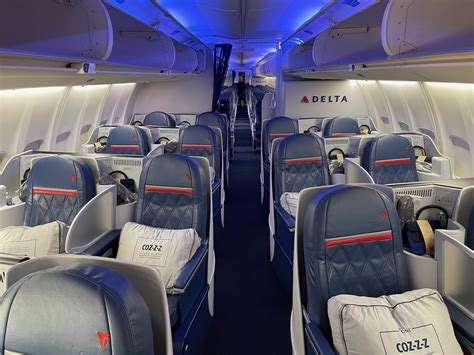
Powered by two Pratt & Whitney PW2037 engines, N544US remained capable of transporting 199 passengers in Delta’s three-class configuration, including 20 Domestic First, 35 Premium Economy, and 144 Main Cabin seats. That balance of capacity and performance allowed Delta to deploy the aircraft across a remarkably diverse range of missions.
Delta’s Maintenance Expertise Extended The Fleet’s Life
One reason Delta has operated the Boeing 757 considerably longer than many competing airlines lies within its renowned TechOps maintenance division. Rather than rapidly replacing older aircraft, Delta invested heavily in maintaining extensive inventories of spare parts and developing specialized engineering expertise capable of supporting aging fleets safely and efficiently.
This maintenance philosophy enabled aircraft like N544US to continue flying long after numerous other global operators retired their own 757s. While many airlines favored accelerated fleet replacement, Delta balanced modernization with disciplined asset management, extracting maximum value from aircraft that remained operationally reliable.
The retirement of N544US therefore reflects less about mechanical limitations and more about changing economics. Modern aircraft consume significantly less fuel, require lower maintenance costs, and produce fewer emissions, making replacement increasingly attractive despite the proven reliability of older airframes.
Only A Handful Of Northwest Boeing 757s Remain
Although the retirement of N544US closes the book on registrations ending in “US,” the Northwest legacy has not completely disappeared from Delta’s fleet. Several inherited Boeing 757-200s continue flying with registrations ending in “NW,” although industry observers expect additional retirements in the near future.
Rumors also suggest that N550NW could be among the next aircraft scheduled to leave service. Meanwhile, Delta’s fleet of 757-300s, all inherited from Northwest, continues operating with their original “NW” registration suffixes. These stretched variants remain valuable assets and are expected to continue serving passengers well into the next decade.
Northwest’s influence extends beyond Boeing aircraft as well. Delta still operates several former Northwest Airbus A320 aircraft retaining registration endings that preserve another small reminder of the airline absorbed more than fifteen years ago.
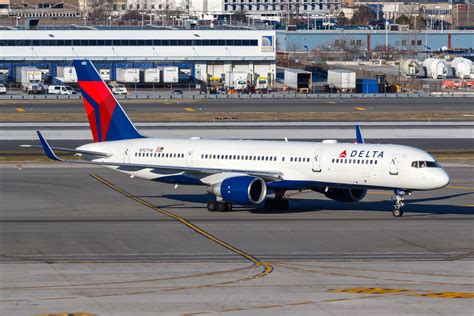
The Airbus A321neo Is Leading Delta’s Fleet Renewal
As veteran Boeing 757s gradually leave service, Airbus A321neo aircraft are becoming their natural successors. Delta already operates more than 80 A321neos, with approximately 100 additional aircraft scheduled for delivery in the coming years. The newer generation offers dramatically improved fuel efficiency, reduced operating costs, lower emissions, and enhanced passenger comfort.
Although no single aircraft perfectly replicates every strength of the Boeing 757, the A321neo provides Delta with the efficiency required for today’s competitive airline environment. Improvements in engine technology and aerodynamics allow the newer aircraft to perform many of the same missions while significantly reducing operating expenses.
The retirement of N544US therefore represents more than the departure of one aircraft. It symbolizes the airline industry’s ongoing transition from iconic twentieth-century airliners to highly efficient next-generation fleets designed around sustainability, economics, and operational flexibility.
As Delta continues modernizing nearly 1,000 aircraft, the Boeing 757’s remarkable contribution will remain firmly embedded in the airline’s history. For thousands of crew members and millions of passengers, N544US was more than a registration number—it was a dependable aircraft that faithfully connected cities, preserved the legacy of Northwest Airlines, and demonstrated why the Boeing 757 continues to be regarded as one of commercial aviation’s finest narrowbody designs.