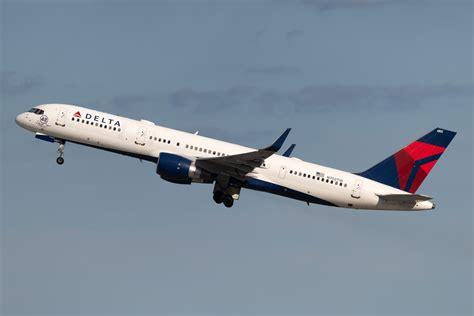
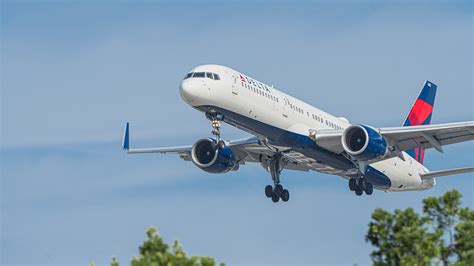
The Boeing 757 has been a critical component of Delta Air Lines’ fleet for decades. As the largest operator of this versatile aircraft, Delta has relied heavily on the 757 to connect key hubs across North America and Europe. Its unique combination of range, payload capacity, and runway performance has enabled Delta to serve routes that few other narrowbody jets could manage. But with rising maintenance costs and advancing technology in modern aircraft, the question arises: Should Delta Air Lines finally retire the Boeing 757?
For Delta, the 757 represents more than just an airframe — it is a strategic asset that underpins much of its transatlantic and premium domestic network. From New York-JFK to London-Heathrow, or Atlanta to Seattle, these aircraft have played an indispensable role. However, the average age of Delta’s 757 fleet now exceeds 25 years, pushing the jets into a realm where maintenance costs are climbing, parts are harder to source, and fuel efficiency lags behind newer designs.
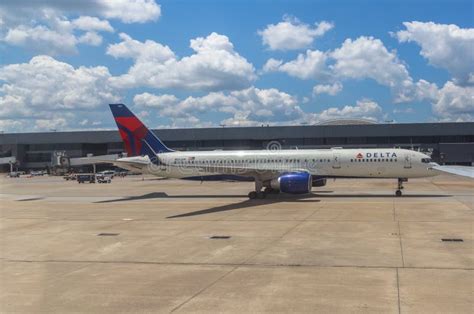
The Operational Strengths of the Boeing 757 in Delta’s Network
The Boeing 757-200 and 757-300 have delivered unmatched flexibility for Delta. Their powerful engines and aerodynamic design allow for operations at airports with challenging runways or high-altitude conditions, such as Salt Lake City and Denver. Moreover, the 757’s range of up to 3,900 nautical miles permits Delta to offer nonstops on “thin” transatlantic routes that do not generate enough demand to justify a widebody. This has been especially useful for connecting secondary U.S. cities to European destinations without routing passengers through congested hubs.
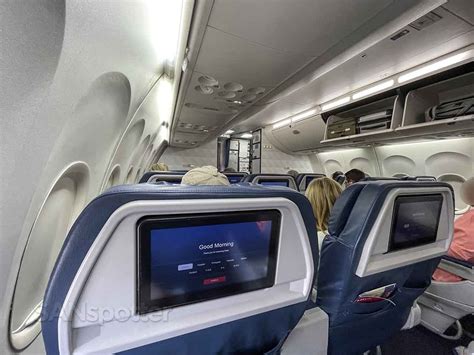
Beyond range and performance, the 757’s narrow fuselage combined with large cargo capacity makes it a high-revenue generator on these long-haul missions. The cabin layout offers flexibility for Delta’s Delta One, Comfort+, and Main Cabin products, enabling the airline to fine-tune configurations depending on route demand.
The Cost of Keeping the 757 in the Skies
While the 757’s capabilities have served Delta well, the economics of operating a fleet with an average age surpassing a quarter-century cannot be ignored. Maintenance costs have steadily increased as airframes age, particularly with structural inspections and component replacements becoming more frequent. Engine overhauls, corrosion mitigation, and avionics upgrades are also driving up the cost per flight hour.
Delta’s Technical Operations (TechOps) division has indeed developed expertise in prolonging the operational life of these jets. In-house maintenance, repair, and overhaul (MRO) capabilities have allowed Delta to control costs and ensure reliability. However, even TechOps’ efficiencies can only go so far in offsetting the growing financial burden of these aging aircraft.
Fuel efficiency is another pressing concern. The Boeing 757 burns significantly more fuel per seat than modern alternatives such as the Airbus A321XLR or the Boeing 737 MAX 10. In an era where airlines are under increasing pressure to reduce their carbon footprint, the environmental argument for retiring the 757 grows stronger by the year. Fuel represents a substantial portion of an airline’s operating costs, and improvements in modern engine and aerodynamic technologies translate into meaningful savings and sustainability gains over time.
What Are the Alternatives?
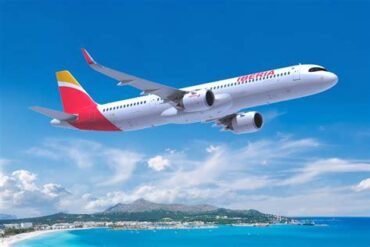
Delta has already signaled part of its replacement strategy through significant orders for the Airbus A321neo and the A321XLR. The A321XLR, in particular, is expected to assume many of the transatlantic missions currently handled by the 757. With a range of approximately 4,700 nautical miles, the A321XLR not only matches but exceeds the 757’s capabilities in several respects, all while delivering 30% lower fuel burn. The A321neo family’s modern cabin, advanced avionics, and lower operating costs present a compelling case for fleet renewal.
There is also the Boeing 737 MAX 10, which offers improvements in fuel efficiency and operating economics, though it lacks the range and payload flexibility of the 757 on transatlantic routes. Some aviation observers argue that no direct replacement truly matches the 757’s unique capabilities, and as such, Delta may need to adapt its network planning as it phases out the aircraft.
The Emotional and Brand Value of the 757
For many passengers and aviation enthusiasts, the 757 represents more than metal and engines. It embodies a golden era of aviation where performance, comfort, and style converged. The jet’s sleek profile, powerful takeoff performance, and spacious cabin have earned it a loyal following among Delta’s customers. Retiring the 757 would not only mark the end of an operational era but also signal the closure of a chapter in Delta’s identity as an airline that blends tradition with innovation.
Timing the Retirement: Balancing Costs, Performance, and Strategy
The decision to retire the 757 is not purely about economics or efficiency; it is about aligning fleet strategy with Delta’s long-term vision. The airline must balance short-term cost savings against network flexibility and competitive positioning. A too-rapid withdrawal of the 757 could leave gaps in the network, especially on thinner transatlantic and high-demand domestic premium routes. Conversely, delaying retirement too long risks burdening the airline with excessive costs and diminishing environmental credibility.
There is also the consideration of supply chain and delivery timelines. Even with firm orders, the replacement aircraft will take years to fully integrate into the fleet. Training crews, updating maintenance procedures, and adapting scheduling systems are all part of a complex transition process that requires careful coordination.
Conclusion: The Inevitable Farewell?
The Boeing 757’s place in Delta Air Lines’ fleet has been well-earned through decades of reliable service. Yet, the march of time and technology makes its eventual retirement inevitable. Delta’s thoughtful approach to fleet management suggests that it will phase out the 757 in a manner that preserves network integrity while embracing the efficiency and environmental benefits of modern aircraft. As the A321XLRs and other next-generation jets join the fleet, Delta passengers can expect the airline’s signature blend of performance and service to endure — even as one of aviation’s most beloved workhorses takes its final bow.