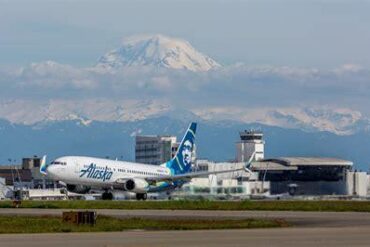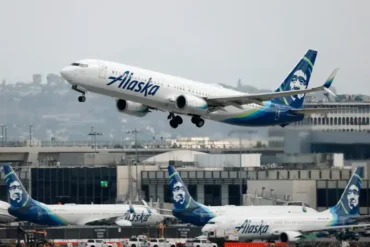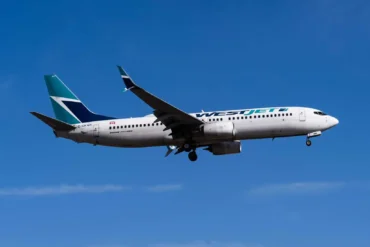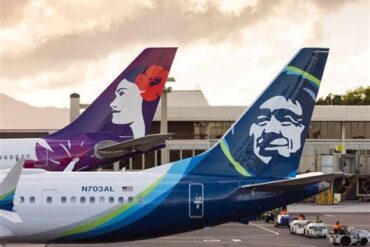
Seattle–Tacoma International Airport (SEA), widely known as Sea–Tac, stands as the beating heart of air travel in the Pacific Northwest. Strategically located in SeaTac, Washington, it serves the greater Seattle metropolitan region and beyond, stretching its influence as far as Asia, Europe, and Oceania. With more than 52.6 million passengers recorded in 2024, it is not only the region’s busiest airport but also among the most essential aviation hubs in the United States.
Location and Scale
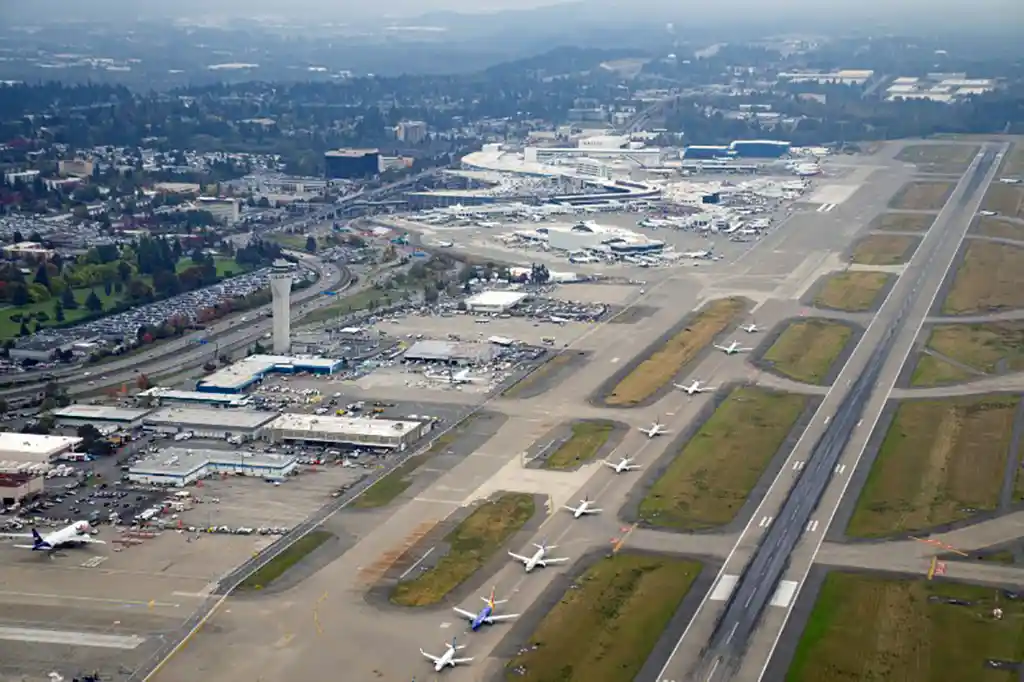
Nestled between the iconic cities of Seattle and Tacoma, just 14 miles south of downtown Seattle, Sea–Tac occupies a vast 2,500-acre footprint. The airport is equipped with three parallel concrete runways, designed to operate efficiently even during low-visibility conditions, a crucial feature given the Pacific Northwest’s often overcast skies.
Owned and operated by the Port of Seattle, the airport serves as a crucial gateway for both domestic and international travel, functioning as the primary hub for Alaska Airlines and a strategic international gateway for Delta Air Lines. With 31 airlines flying to 91 domestic and 28 international destinations, the airport ensures robust connectivity across continents.
Historical Milestones: From Wartime Necessity to Global Connector
1940s–1960s: Foundation and Expansion
Sea–Tac’s genesis dates back to the early 1940s, when World War II prompted the U.S. military to commandeer Boeing Field, leaving the Seattle region in need of a new commercial aviation facility. The Port of Seattle, in partnership with the City of Tacoma, chose a site near Bow Lake and broke ground in 1943.
The airport officially opened in 1944, initially serving military aircraft before commercial flights began in 1947. By 1951, major carriers like United, Alaska, Trans-Canada, and Pan Am had shifted their operations from Boeing Field to Sea–Tac, cementing its position as a primary aviation hub.
1960s–1980s: Jet Age and Infrastructure Boom
The jet age ushered in significant upgrades. Sea–Tac extended its runways and unveiled new concourses — A, B, C, and D — by 1966, with international service beginning in 1959 via Japan Airlines. A second parallel runway was completed in 1970 to manage growing jet traffic.
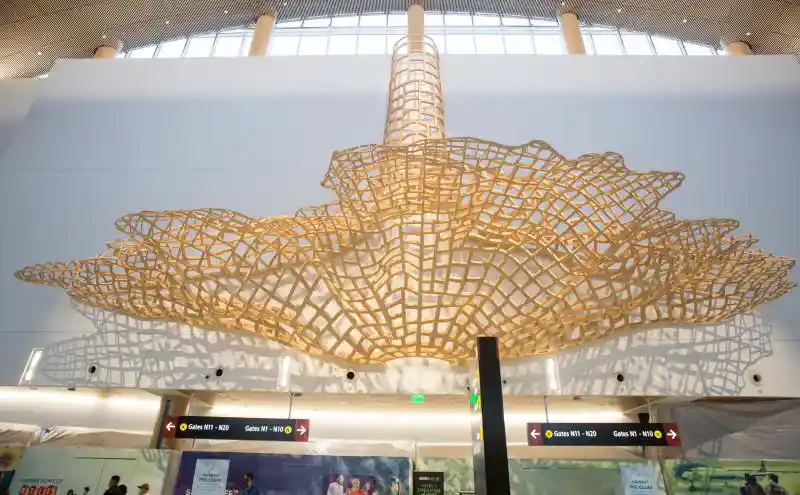
By 1973, two satellite terminals were added, connected by an underground people mover—an innovation ahead of its time. This era also marked the birth of Sea–Tac’s renowned public art program, which continues to define the airport’s cultural ambiance.
1990s–2008: Capacity Challenges and the Third Runway
Population and economic growth in the region drove the airport toward capacity. Community concerns and environmental impact debates surrounded plans for a third runway, but after extensive legal and political negotiations, it opened in 2008 at a cost of $1.1 billion. This 8,500-foot runway, set 2,500 feet west of the others, enabled simultaneous landings during foggy weather, greatly enhancing operational efficiency.
The 21st Century: Expansion, Technology, and Sustainability
Terminal Revamps and Passenger Growth
In response to soaring traffic, Sea–Tac underwent sweeping renovations. The North Satellite Terminal was transformed through the NorthSTAR project, adding 201,000 square feet and eight new gates. Similarly, the International Arrivals Facility (IAF), completed in 2022, introduced 450,000 square feet of modern customs and immigration space, linked by a dramatic 900-foot pedestrian bridge.
Digital Transformation and Cyber Threats
In August 2024, the airport faced a major cyberattack that disabled its digital infrastructure, from check-in kiosks to baggage systems. Most operations were restored within a week, yet the incident underscored the importance of cybersecurity in modern aviation.
Sustainability and Modern Mobility
Sea–Tac is also leading in environmental stewardship. It became the first major U.S. airport to install filtration systems that remove PFAS chemicals from firefighting foam, addressing a critical public health issue. A $320 million project is underway to consolidate baggage handling into a high-speed, cross-connected system, scheduled for completion by 2027.
Meanwhile, the Sustainable Airport Master Plan (SAMP) outlines over 30 projects, including a new terminal with 19 gates and an automated people mover system, aimed at absorbing the expected regional population surge by 2035.
Facilities and Passenger Experience
Terminal Configuration and Gate Distribution
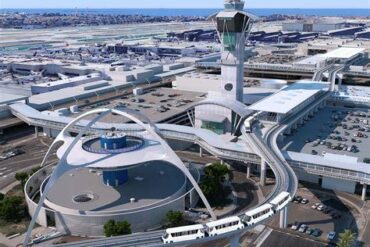
Sea–Tac features four main concourses (A–D) and two satellite terminals (North and South), connected by the SEA Underground transit system. The layout allows seamless transfers, especially important for international connections.
- Concourse A: 16 gates; major hub for Delta and international carriers.
- Concourse B: 17 gates; used by United, Southwest, and Delta.
- Concourse C: 27 gates; exclusive to Alaska Airlines.
- Concourse D: 17 gates; shared by Alaska and American.
- North Satellite: 20 gates; Alaska Airlines exclusive.
- South Satellite: 14 gates; handles international arrivals and Delta.
Security and Innovations
Sea–Tac offers six TSA checkpoints, most equipped with Clear Secure and TSA PreCheck lanes. To reduce congestion, especially during holiday peaks, the SEA Spot Saver virtual queuing system was launched in 2021. Despite these upgrades, summer 2023 saw wait times balloon up to 90 minutes, reflecting the continued pressure of increasing traffic.
Art, Music, and Culture
The airport hosts a $40 million public art collection, featuring 289 works, including sculptures, murals, and stained glass. Among the highlights is a suspended replica of the Rutan Voyager aircraft in the baggage claim area. The live music program, launched in 2013, returned post-pandemic, enhancing the terminal ambiance with performances by local artists.
Operational Infrastructure and Airfield
Sea–Tac’s three parallel runways—ranging from 8,500 to 11,900 feet—support high-volume operations with over 422,000 aircraft movements annually. A modern control tower, opened in 2004, rises 269 feet and is equipped for simultaneous oversight by up to 15 air traffic controllers. The airfield also pioneered avian radar technology, developed in collaboration with the University of Illinois, to mitigate bird-strike incidents.
Ground Access and Connectivity
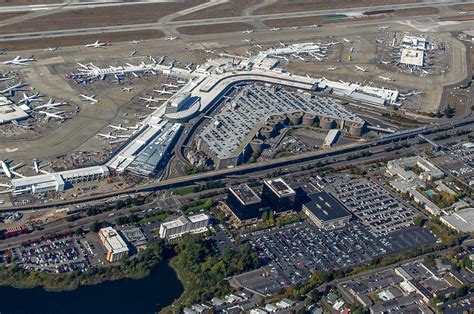
Conveniently positioned near State Route 99, Interstate 5, and Interstate 405, Sea–Tac is Washington’s largest trip generator. The 12,100-space parking garage is North America’s largest single-roof parking structure, offering valet and EV charging options.
The airport is well-served by public transit, including:
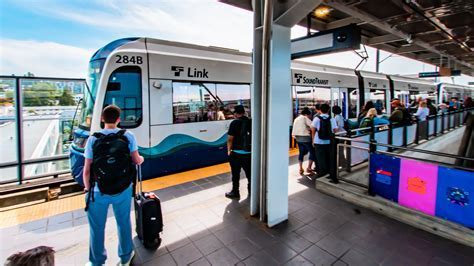
- Link Light Rail (1 Line): Connects the airport to downtown Seattle, University of Washington, and Angle Lake.
- King County Metro and Sound Transit Express: Bus routes to Tacoma, Bellevue, and Renton.
- Tukwila Station: Accessible via transfers, offers Sounder commuter rail and Amtrak Cascades service to Vancouver BC, Portland, and Eugene.
Shuttles, taxis, rideshares (Uber, Lyft, Wingz), and a 23-acre rental car center complete Sea–Tac’s mobility network, ensuring multi-modal access for both local and international travelers.
Global Airline Network and Strategic Importance
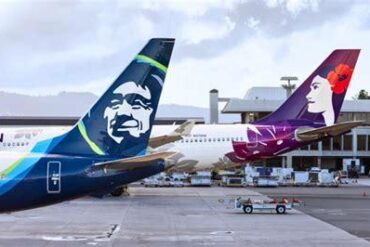
Sea–Tac is a dual-hub airport, with Alaska Airlines maintaining dominance on domestic West Coast routes and Delta Air Lines driving international expansion. Other major U.S. carriers include United, American, Southwest, Frontier, and JetBlue.
On the international front, Sea–Tac connects to Asia, Europe, Oceania, and the Middle East via top-tier airlines such as Emirates, Qatar Airways, Singapore Airlines, Japan Airlines, Korean Air, Lufthansa, British Airways, Air France, and Icelandair.
Destinations span across:
- Europe: London, Paris, Frankfurt, Munich, Amsterdam, Rome, Barcelona
- Asia: Tokyo, Seoul, Taipei, Beijing, Shanghai, Hong Kong
- North America: Toronto, Vancouver, Guadalajara, Mexico City
- Pacific Islands & Oceania: Honolulu, Papeete
- Middle East: Doha, Dubai
The growing portfolio of direct intercontinental routes enhances Seattle’s role as a transpacific and transatlantic gateway, reinforcing its status as a pivotal node in global air travel.
Conclusion
Seattle–Tacoma International Airport is more than a travel hub—it is a symbol of regional ambition, global connectivity, and forward-thinking infrastructure. Its blend of historical depth, cutting-edge expansion, and cultural vibrancy makes Sea–Tac a model for modern airports worldwide. As passenger numbers surge and urban growth accelerates, the airport’s continued evolution promises to keep it at the forefront of international aviation.