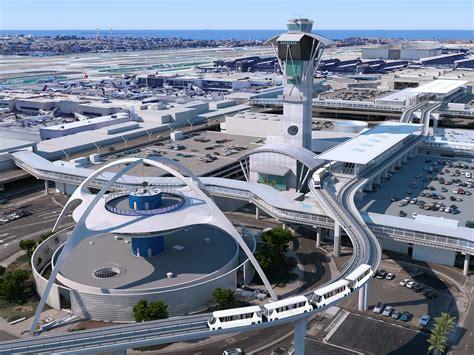
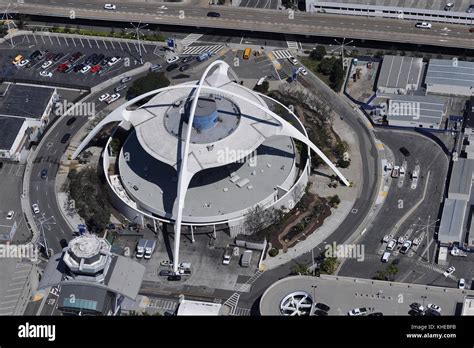
Los Angeles International Airport, better known as LAX, is not just a transport hub — it’s a global landmark and an essential artery for air travel in and out of the United States. With its sprawling footprint along the Pacific coast, LAX symbolizes both the vast scale of international aviation and the nonstop energy of Los Angeles itself. Its distinctive horseshoe-shaped layout and iconic Theme Building have made it one of the most recognized airports worldwide. But one question often arises for travelers and aviation enthusiasts alike: How many gates are there at LAX?
The answer? 161 gates, distributed across nine terminals, connecting millions of passengers to hundreds of domestic and international destinations every year.
The Enormous Scale of LAX
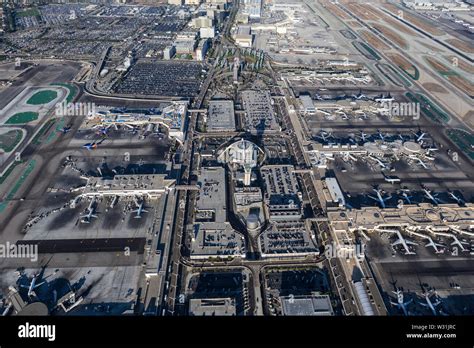
Sitting at 1 World Way, nestled in the southwestern expanse of Los Angeles near the Pacific Ocean, LAX covers an impressive 2,950 acres, with an additional 700 acres of adjacent land under its ownership. That immense space is necessary to manage the incredible volume of traffic flowing through the airport — over 75 million passengers annually. This figure cements LAX’s position as the fourth busiest airport in the United States, surpassed only by aviation giants like Atlanta’s Hartsfield-Jackson and Chicago’s O’Hare.
Beyond sheer size, LAX boasts infrastructure capable of accommodating the largest commercial aircraft in operation, including the Boeing 777F and even military transports like the C-17 Globemaster III. Despite not cracking the list of the world’s largest airports by area, LAX is a logistical powerhouse that facilitates global connectivity.
Navigating the Nine Terminals
The 161 gates at LAX are spread across its nine distinct terminals, forming the recognizable horseshoe layout that circles the airport’s core facilities. Each terminal caters to a mix of domestic and international flights, and many serve as operational bases for major airlines such as Delta Air Lines, American Airlines, and United Airlines.
- Terminal 1: Predominantly occupied by Southwest Airlines.
- Terminal 2: Handles various international and domestic carriers.
- Terminal 3: Recently renovated, largely serves Delta flights.
- Terminal 4-8: These terminals accommodate numerous domestic flights, including American Airlines’ operations.
- Tom Bradley International Terminal (TBIT): The flagship international terminal, offering gates for long-haul flights across Asia, Europe, Oceania, and beyond.
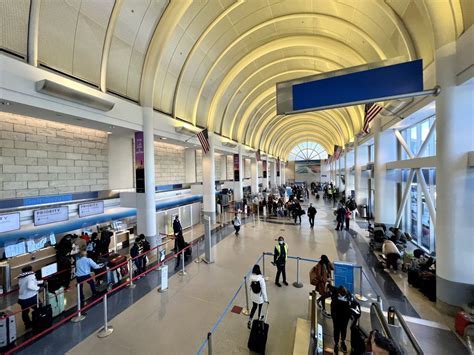
With gates situated across these terminals, traversing from check-in to your departure gate can be a time-consuming process. Travelers are advised to arrive at least two hours early for domestic flights and three hours ahead for international departures, especially during peak travel periods.
A Century of Expansion and Evolution
LAX’s story dates back to 1928, when it began as the humble Los Angeles Municipal Airport, featuring just a dirt runway. Commercial airline service commenced in 1946, marking the start of its evolution into one of the world’s busiest aviation hubs. Over the decades, LAX has undergone multiple expansions, modernizations, and logistical overhauls to meet ever-increasing travel demand.
Today, the airport is a sprawling complex that employs over 50,000 people, providing vital services that keep its operations seamless — from baggage handling and aircraft maintenance to food services and security.
While its four runways aren’t among the longest globally, they are fully capable of supporting any commercial aircraft, underscoring the airport’s strategic importance.
The TransformingLAX Initiative: Preparing for the Future
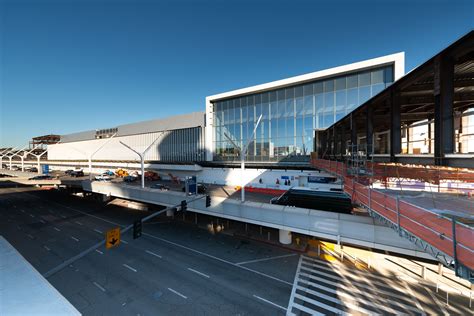
A facility as critical as LAX cannot afford stagnation. That’s why a $30 billion renovation program, aptly named TransformingLAX, is currently underway. This multi-year initiative represents one of the most significant infrastructure investments in the airport’s history.
Among the key upgrades are:
- Expanded taxiways to improve aircraft movement efficiency.
- Revamped runway exits to expedite takeoffs and landings.
- Luxurious passenger amenities, including high-end restaurants, retail spaces, and entertainment zones.
- A new Sky Deck, offering panoramic views of airfield operations.
- Art installations reflecting Los Angeles’ vibrant culture.
These improvements not only enhance the traveler experience but are strategically timed to support two monumental events that will significantly increase airport traffic.
The 2026-2028 Global Events Surge
Los Angeles is no stranger to hosting globally significant events, but the 2026 FIFA World Cup and the 2028 Summer Olympics will push its transport infrastructure to its limits. The NBA All-Star Game in 2026 is expected to draw thousands, but these two mega-events will flood LAX with millions of international visitors.
In 1984, when L.A. last hosted the Summer Olympics, nearly 6 million spectators flocked to the city. For 2028, projections suggest similar, if not greater, numbers. Every one of LAX’s 161 gates — and possibly additional gates being constructed as part of the TransformingLAX plan — will be essential in managing the influx.
Coincidentally, the 2028 Olympics will align with LAX’s 100th anniversary, marking a century of aviation history while showcasing the airport’s readiness to meet 21st-century challenges. The global attention on Los Angeles during these events underscores the critical role LAX plays, not just as a transport hub, but as a gateway to the city’s cultural, economic, and sporting life.
LAX as a Tourist Destination
For many, LAX is simply a transit point, but the airport itself has developed into an attraction. Its futuristic Theme Building, constructed in 1961, remains an architectural icon, symbolizing mid-century space-age optimism. Complemented by modern enhancements like luxury lounges, curated art displays, and expansive shopping options, LAX aims to offer more than just transit — it seeks to provide an immersive, uniquely Los Angeles experience.
With continual investments, its position as one of the world’s most important airports remains undisputed. Whether you’re arriving for the Olympic Games, embarking on a Pacific journey, or simply exploring Southern California, the scale and sophistication of LAX ensure it remains at the heart of global aviation for decades to come.
Conclusion: The Gateway to Los Angeles and Beyond
In summary, Los Angeles International Airport operates with an impressive 161 gates, enabling it to manage millions of passengers annually while preparing for even greater demands ahead. Its size, infrastructure, and strategic expansions reflect not only its logistical importance but also the broader aspirations of Los Angeles as a global city.
With its ambitious renovations, historic legacy, and capacity for hosting international events, LAX is not merely an airport — it is a symbol of connectivity, progress, and the enduring allure of Southern California.