Travel across the Pacific or along the vast expanse of North America often begins or ends at a West Coast airport. For seasoned travelers, especially those embarking on long-haul journeys, the airport lounge has become more than a quiet waiting area. It is an extension of the travel experience itself—an environment where passengers can dine, relax, refresh, and mentally transition into the rhythm of long-distance travel.
Across the western edge of the United States and Canada, several airports compete to offer the most refined lounge experiences. San Francisco International Airport (SFO) boasts a strong network of airline lounges tied to its role as a United Airlines hub. Seattle-Tacoma International Airport (SEA) has seen rapid improvements in premium facilities as Alaska Airlines and Delta expand operations. Meanwhile, Vancouver International Airport (YVR) offers elegant lounges that reflect Canadian hospitality.
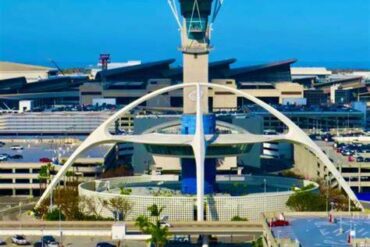
Yet when considering the breadth of airlines, the diversity of lounge designs, and the sheer scale of premium spaces, one airport consistently rises above the rest. Los Angeles International Airport (LAX) stands as the most impressive lounge destination on the West Coast, delivering a collection of spaces that rival many global aviation hubs.
By combining flagship airline lounges, alliance mega-spaces, and unique international airline facilities, LAX has transformed itself into a premium lounge capital for transpacific travel.
A Strategic Gateway For Transpacific Aviation
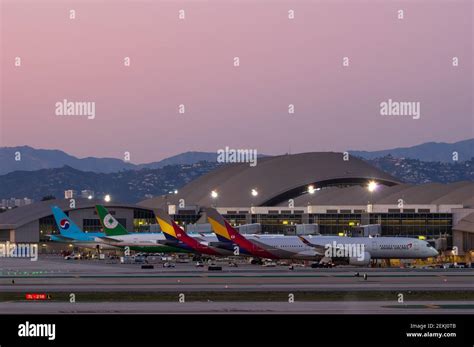
The foundation of LAX’s lounge dominance lies in its role as a crucial bridge between North America and Asia-Pacific destinations. Every day, dozens of long-haul aircraft depart Los Angeles for cities such as Tokyo, Seoul, Sydney, Taipei, and Singapore. These flights typically exceed ten hours in duration, meaning airlines place a strong emphasis on the ground experience before boarding.
Airlines understand that premium travelers—particularly business and first-class passengers—expect more than comfortable seats in the air. The journey begins long before pushback from the gate. As a result, carriers serving Los Angeles have invested heavily in high-end lounges designed specifically for long-haul international passengers.
Major airlines operating transpacific routes from LAX include:
- All Nippon Airways
- Japan Airlines
- Singapore Airlines
- Qantas
- Korean Air
- China Airlines
- EVA Air
- Emirates
Many of these carriers operate some of the world’s most respected premium cabins, and their lounge offerings in Los Angeles reflect that reputation. Instead of minimal waiting areas, passengers often encounter restaurant dining, spa-like showers, curated cocktail bars, and expansive seating areas designed for relaxation and productivity.
This environment elevates LAX far beyond a typical airport transit point. It becomes a place where global airlines showcase their brand identity.
The Qantas First Lounge: A Benchmark For Luxury
Among the many standout spaces at Los Angeles International Airport, the Qantas First Lounge has achieved near-legendary status among frequent flyers.
Located inside the Tom Bradley International Terminal (TBIT), the lounge was designed as a flagship facility for passengers traveling between the United States and Australia. From the moment guests enter, the space feels more like a boutique hotel restaurant than an airport waiting room.
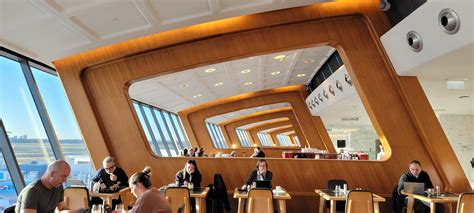
Floor-to-ceiling glass walls allow natural light to flood the interior while offering sweeping views of aircraft preparing for departure across the busy LAX apron. The interior blends warm wood textures, contemporary furniture, and open architectural lines, creating a calm and refined atmosphere.
The defining feature of the lounge is its restaurant-style dining experience. Instead of a buffet line, guests are served from an à la carte menu curated by renowned Australian chef Neil Perry. Dishes frequently include elevated options such as:
- Salt-and-pepper squid with green chili sauce
- Premium steaks and seasonal seafood
- Fresh salads featuring Australian culinary influences
Complementing the menu is an extensive wine list highlighting Australian vintages and international labels, along with expertly crafted cocktails.
Adjacent to the First Lounge is the Qantas Business Lounge, a much larger space that still retains a stylish and welcoming feel. It features buffet dining, bar service, multiple seating zones, and shower suites—ideal for passengers preparing for the nearly fifteen-hour flight to Sydney or Melbourne.
Together, these two lounges represent one of the most sophisticated airline lounge complexes in North America.
Star Alliance’s Expansive Shared Lounge
Not every airline builds its own lounge at Los Angeles International Airport. Some have taken a collaborative approach, and the Star Alliance Lounge at LAX is a perfect example of how shared spaces can still deliver exceptional experiences.
Used by premium passengers flying airlines such as Air New Zealand, Singapore Airlines, Lufthansa, and All Nippon Airways, the lounge is among the largest alliance-operated facilities in the world.
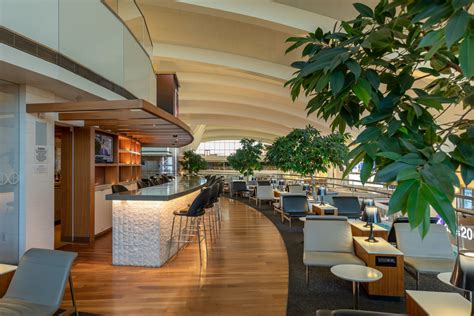
One of the most distinctive features of this lounge is its open-air terrace, an element rarely found in airport lounge design. Guests can step outside to enjoy fresh air while watching wide-body aircraft taxi across the airfield. For aviation enthusiasts, the terrace provides an unforgettable vantage point over one of the busiest international terminals in the United States.
Inside, the lounge maintains an elegant balance between scale and comfort. The interior includes:
- A large buffet with rotating international cuisine
- A fully staffed cocktail bar
- Quiet work areas and business seating
- Private shower suites for long-haul travelers
Because the facility accommodates multiple airlines simultaneously, its design includes both communal social areas and quieter zones for passengers who prefer privacy before departure.
American Airlines Flagship Lounge Excellence
While international carriers dominate the transpacific experience at LAX, major U.S. airlines have also developed impressive premium spaces.
American Airlines operates a Flagship Lounge in Terminal 4, one of the airline’s most important international facilities outside its East Coast hubs. The lounge serves passengers flying long-haul routes across both the Atlantic and Pacific.
The interior design emphasizes clean modern architecture with ample seating and strong natural lighting, ensuring the lounge remains comfortable even during peak departure periods.
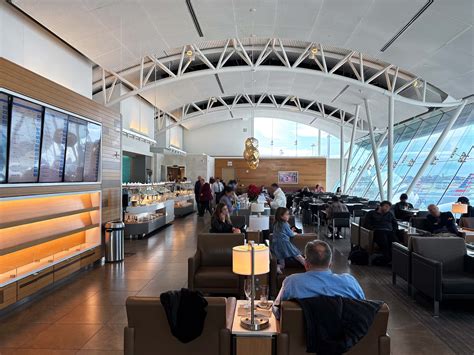
Dining options extend beyond basic snacks. Guests can enjoy a buffet of hot meals, fresh salads, desserts, and beverages. For passengers traveling in the airline’s most exclusive cabins, Flagship First Dining provides a private restaurant-style space offering a quieter environment and elevated menus.
This layered approach allows American Airlines to deliver a tiered premium experience, catering to a wide range of travelers while maintaining exclusivity at the highest levels.
Delta Air Lines And The Modern Sky Club Experience
Delta Air Lines has dramatically expanded its footprint at Los Angeles International Airport over the past decade. The airline’s investment includes a major terminal redevelopment project and one of the most impressive Delta Sky Clubs in the United States.
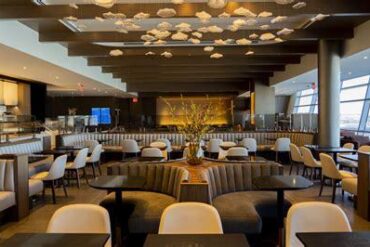
The lounge is designed with high ceilings, expansive windows, and modern architectural finishes that reflect the airline’s evolving premium brand.
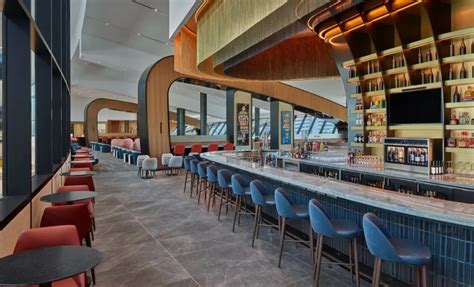
Inside the space, passengers will find multiple seating zones that cater to different needs—quiet corners for relaxation, communal tables for dining, and workstations for productivity. The food program is also significantly upgraded compared to traditional domestic lounges, offering rotating hot dishes, fresh produce, and a curated beverage selection.
One of the standout features is the outdoor terrace overlooking the runway, where guests can enjoy the Southern California climate while watching aircraft movements.
This combination of design, food quality, and spacious layout places the Delta Sky Club among the most impressive domestic airline lounges on the West Coast.
International Airline Lounges With Distinct Cultural Identity
Beyond alliance lounges and U.S. carrier spaces, Los Angeles International Airport offers something rarely seen elsewhere in North America: a wide variety of airline-specific international lounges, each reflecting the hospitality traditions of its home country.
For example, Japan Airlines operates both a Sakura Lounge and a First Class Lounge at LAX. These spaces offer Japanese cuisine such as ramen, curry rice, and sushi alongside Western options. The atmosphere is calm and understated, echoing the refined service culture found in Japan.
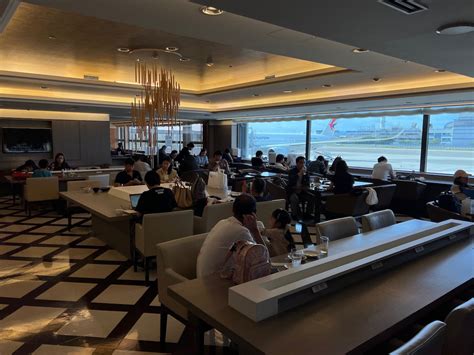
Similarly, Korean Air maintains its own lounge for passengers connecting through Seoul Incheon. Guests can enjoy Korean dishes and a relaxed environment before boarding long-haul flights across the Pacific.
Meanwhile, Emirates operates a lounge that mirrors the airline’s experience in Dubai, complete with buffet dining and direct boarding access for select flights. The design reflects the airline’s luxury branding with polished finishes and elegant seating areas.
This variety means travelers departing from Los Angeles can experience multiple cultural interpretations of hospitality in a single terminal, an experience rarely matched by other airports.
The Tom Bradley International Terminal Advantage
A major factor behind the success of the lounge ecosystem at Los Angeles International Airport is the design of the Tom Bradley International Terminal itself.
Over the past decade, the terminal has undergone significant renovations and expansions. The result is a facility built specifically with premium international travel in mind.
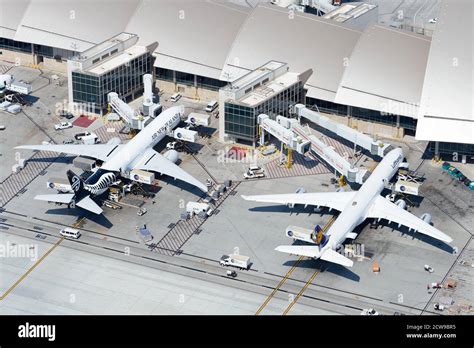
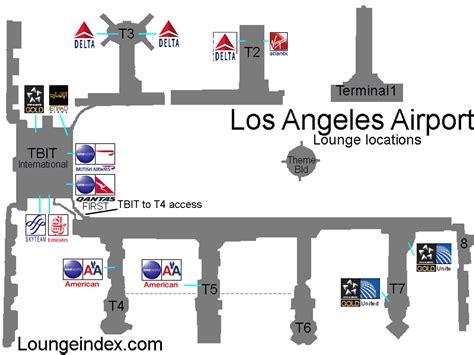
Unlike older airport terminals where lounges are scattered or cramped, TBIT allows several large lounges to exist within a relatively compact area. This layout makes it possible for connecting passengers to access multiple lounge options depending on airline alliances or elite status.
The terminal’s architecture also contributes to the overall experience. Large skylights and glass walls bring in natural light, while improved passenger flow reduces congestion. For airlines, the space provides enough room to create large flagship lounges rather than small waiting rooms.
These design choices have encouraged carriers to invest in distinctive spaces featuring amenities such as spa services, terraces, and upgraded dining.
Passenger Traffic That Justifies Premium Investment
The scale of LAX’s lounge offerings is also supported by its immense passenger volume. In 2025, Los Angeles International Airport handled approximately 73.7 million passengers, making it one of the busiest airports in North America.
Domestic routes remain a major component of this traffic. The busiest destinations include:
- New York John F. Kennedy International Airport (JFK)
- San Francisco International Airport (SFO)
- Las Vegas Harry Reid International Airport (LAS)
- Honolulu Daniel K. Inouye International Airport (HNL)
- Chicago O’Hare International Airport (ORD)
At the same time, the airport functions as a critical international gateway. Routes to London Heathrow, Seoul Incheon, Guadalajara, Taipei, and Tokyo Haneda each carried more than one million passengers in a single year.
This combination of heavy domestic traffic and high-volume international routes creates a powerful incentive for airlines to differentiate themselves through superior lounge experiences.
Why LAX Stands Above Other West Coast Airports
While airports like San Francisco and Seattle offer strong lounge options, none match the sheer variety available at Los Angeles International Airport.
Several factors explain why LAX stands out:
- A massive transpacific flight network attracting premium airlines
- Multiple flagship lounges from both international and U.S. carriers
- Large alliance lounges with unique architectural features
- A modern international terminal designed around premium passenger flow
Together, these elements create a lounge ecosystem where travelers can experience some of the finest airport hospitality on the continent.
For passengers beginning a journey across the Pacific—or simply seeking a comfortable space before departure—Los Angeles International Airport delivers a lounge experience that few other West Coast airports can match. The result is an airport where the travel experience begins not at the gate, but inside a network of world-class airline lounges designed to elevate every moment before takeoff.