Delta Air Lines is redefining domestic luxury travel with a bold move that brings its elite Delta One business class experience to a new high-demand route: Atlanta (ATL) to Los Angeles (LAX). As of March 29, 2026, Delta will officially rebrand its premium cabins on wide-body aircraft flying this route from “First Class” to the full Delta One experience. This signals not just a label change—but a shift in how the airline envisions luxury travel within the United States.
Previously reserved for international long-haul flights and premium transcontinental routes such as New York–JFK to Los Angeles or San Francisco, Delta One’s expansion into a core domestic route reveals the airline’s evolving strategy to monetize premium capacity and elevate its brand domestically.
Delta One Debuts Between ATL & LAX: A Strategic Upgrade
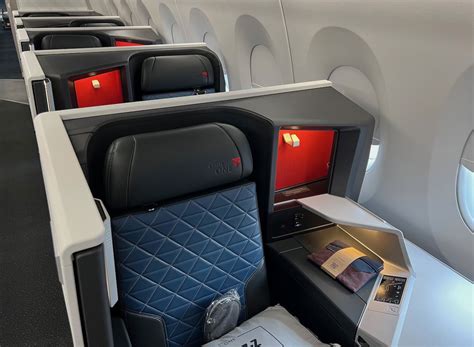
Delta already operates up to three daily wide-body flights between ATL and LAX using its Airbus A350s and Boeing 767s. Until now, these flights featured lie-flat seats in a cabin marketed as traditional first class. But come March 29, 2026, passengers on these flights will see a shift in the booking experience, service expectations, and price points, as the forward cabin becomes officially Delta One.
This shift comes with a subtle but notable fare increase, averaging between $100 and $400 one-way across many frequencies. While seat availability and configurations remain consistent, Delta is banking on branding power, exclusivity, and added soft touches to justify the price.
Why Delta’s Move Matters: Business Meets Brand Evolution
The move reflects Delta’s broader goal of leveraging premium real estate on aircraft flying lucrative domestic routes. Atlanta–Los Angeles is a high-yield market, rich with corporate travelers, entertainment executives, and premium leisure flyers. By branding its wide-body product as Delta One, Delta hopes to:
- Attract premium passengers who expect international-grade comfort on transcontinental flights
- Differentiate from competitors offering standard domestic first class
- Capitalize on high-margin ticket sales for lie-flat seating
But this change isn’t just about optics. It also reshapes elite benefits and access, impacting how frequent flyers interact with the Delta ecosystem.
The Lounge Factor: Delta One Lounge Access Comes Into Play
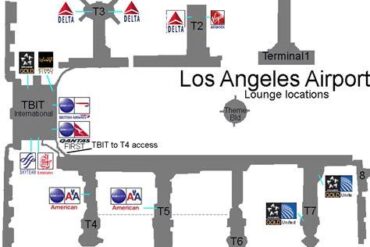
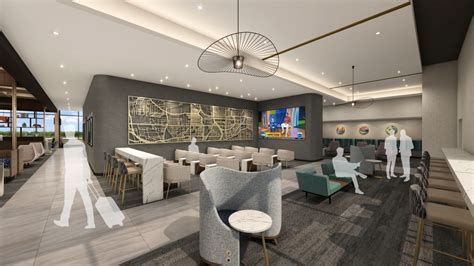
One of the most impactful aspects of the upgrade is the extension of Delta One Lounge access to qualifying passengers. While Atlanta currently lacks a Delta One Lounge, travelers flying westbound can take full advantage of the newly opened Delta One Lounge at LAX, a flagship space offering premium food, showers, and private workspaces.
This alone adds tangible value to the Delta One experience, especially for long-haul business travelers accustomed to international standards. Still, the absence of a similar lounge in Atlanta does present a temporary asymmetry in the premium ground experience.
Elite Upgrades Get Harder: New Restrictions for Medallion Members
In a significant change for Delta Medallion elite members, upgrades to the Delta One cabin on the ATL-LAX route will now only be processed on the day of departure, rather than at the usual advance upgrade windows. This mirrors the policy already in place for Delta’s other Delta One domestic routes and reflects a tighter revenue focus.
The implication is clear: Delta is monetizing premium cabins more aggressively, and relying less on complimentary upgrades to fill those seats. It’s a move that may irk some elites, but from a revenue standpoint, it aligns with Delta’s broader push to maximize cabin profitability.
Will the Service Match the Brand? The Soft Product Question
A critical element of Delta One is the soft product—the elevated inflight experience that includes premium meals, beverage service, enhanced bedding, and amenity kits. However, expectations should be tempered.
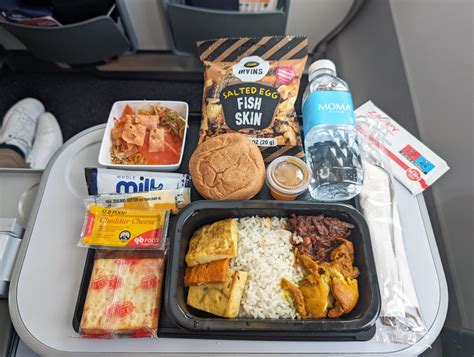
While the Delta One label implies luxury, domestic Delta One routes have historically fallen short of international Delta One standards, particularly in food quality and presentation. For ATL-LAX passengers, this could mean:
- Slightly improved meal presentation and wine selection
- Delta One bedding upgrades (Westin Heavenly-branded)
- Refreshed amenity kits on longer frequencies
But don’t expect the full transpacific treatment. As much as Delta is enhancing branding, the cost and logistics of replicating international soft product standards on shorter domestic segments remain limiting factors.
Aircraft Matters: Wide-Body Fleet Drives the Decision
The choice of aircraft is central to Delta’s move. The Airbus A350 and Boeing 767 both feature true lie-flat seating and privacy-forward cabins. The A350, in particular, is equipped with the Delta One Suite, offering sliding doors and direct aisle access—a rarity in domestic aviation.
By flying these aircraft between ATL and LAX, Delta already had a product that outclassed typical domestic first class. Rebranding the experience as Delta One simply brings marketing and reality into alignment, allowing Delta to justify price premiums and enhance perceived value.
This also raises the question: Why stop at LAX? Other high-demand markets such as Atlanta–Seattle, Atlanta–San Francisco, or even Atlanta–Las Vegas could follow suit if the strategy proves profitable.
Competitive Landscape: What Are the Rivals Doing?
In the premium U.S. domestic travel market, Delta’s move escalates the game. Competitors like American Airlines and United Airlines offer premium coast-to-coast products, with flagship offerings such as:
- American’s Flagship First and Flagship Business on A321Ts
- United’s Polaris Business Class on select transcontinental flights
Delta One now becoming available outside the traditional JFK-SFO/LAX corridor gives Delta a unique edge. The airline’s Atlanta hub, one of the largest in the world, gives it the leverage to explore other underserved premium domestic pairings.

Looking Forward: A Template for Future Expansion?
Atlanta to Los Angeles may be the first of many steps in a larger domestic premium evolution for Delta. If successful, the move could open the door for Delta One branding on other wide-body routes where customer demand and aircraft type align.
The implications go beyond just service branding—they reflect Delta’s broader push to elevate the domestic experience, align with international standards, and reinforce its premium identity.
For passengers, this means more access to international-style luxury on U.S. soil. For Delta, it represents strategic monetization, brand coherence, and a stronger foothold in the lucrative transcontinental market.
Conclusion: Delta One on ATL–LAX Is More Than a Label Change
The rebranding of wide-body flights between Atlanta and Los Angeles as Delta One is a calculated move to elevate Delta’s domestic presence in the premium market. With increased fares, stricter upgrade policies, access to the Delta One Lounge at LAX, and possible service enhancements, the offering positions Delta as a serious contender in the battle for premium domestic loyalty.
It’s a signal that domestic travel no longer has to feel domestic—and for travelers seeking luxury without crossing an ocean, that could make all the difference.