Los Angeles is once again becoming the center of a fierce global airline battle, and Delta Air Lines is preparing a calculated return to one of the world’s most competitive long-haul routes. After stepping away from nonstop Los Angeles–London Heathrow service in 2024, the Atlanta-based carrier now intends to relaunch the route “in a few years” with a dramatically different strategy centered on premium travelers, luxury cabins, and high-value corporate demand.
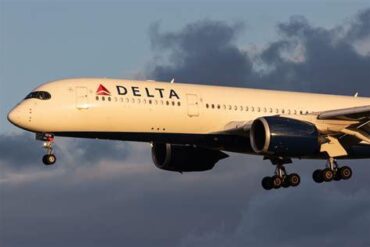
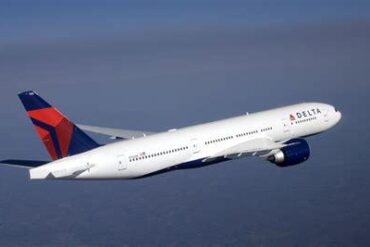
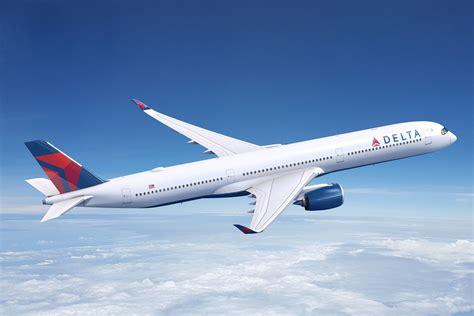
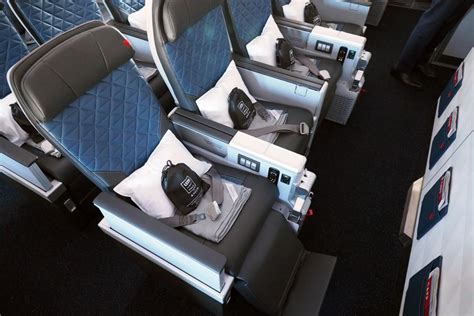
Rather than competing through sheer flight frequency, Delta appears ready to re-enter the market with an aircraft designed almost entirely around premium revenue generation. According to comments from Delta Chief Commercial Officer Joe Esposito, the future Los Angeles International Airport (LAX) to London Heathrow Airport (LHR) flights will likely operate using incoming Airbus A350-1000 aircraft configured with nearly 70% premium seating. That would make the route one of the most premium-heavy transatlantic operations ever launched by a US carrier.
The strategy reflects a larger transformation taking place inside Delta’s international network. The airline is no longer chasing growth through mass-market expansion alone. Instead, it is increasingly focusing on affluent leisure travelers, entertainment industry executives, premium corporate clients, and loyalty customers willing to pay significantly more for privacy, lounge access, and elevated onboard experiences.
Delta Air Lines Eyes A Strategic Return To London Heathrow From Los Angeles
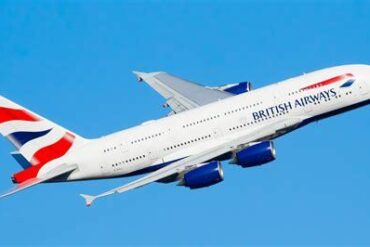
When Delta suspended its own LAX-LHR service in May 2024, the decision initially appeared logical. The route was already saturated with competition from Virgin Atlantic, British Airways, United Airlines, and American Airlines. Through its transatlantic joint venture with Virgin Atlantic, Delta could still profit from the market without deploying its own aircraft.
Virgin Atlantic currently maintains multiple daily flights between Los Angeles and London Heathrow, preserving the partnership’s presence on the route while Delta redirected capacity elsewhere. However, market conditions have evolved rapidly over the past two years. Premium international demand has surged beyond pre-pandemic expectations, especially on routes connecting global business centers and luxury leisure markets.
Los Angeles remains one of the most lucrative aviation markets in the world because it combines entertainment industry traffic, multinational corporate demand, affluent consumers, and strong international connectivity. London Heathrow, meanwhile, remains Europe’s premier premium business gateway. Combining those two cities creates a route capable of generating enormous premium-cabin revenue if executed correctly.
Delta’s leadership now appears convinced that the economics work again — but only with a radically different aircraft configuration emphasizing luxury seating over traditional economy density.
Esposito indicated the future aircraft could include between 50 and 60 Delta One suites, an unusually large number for a US airline operating a transatlantic route. Sliding privacy doors, upgraded cabin finishes, and expanded premium service concepts are expected to become central selling points.
Why Delta’s Future Airbus A350-1000 Changes The Economics
The incoming Airbus A350-1000 fleet may ultimately become the foundation of Delta’s next-generation international strategy. Larger, more fuel-efficient, and optimized for long-haul premium travel, the aircraft allows Delta to redesign route economics around high-margin passengers rather than sheer passenger volume.
The airline has already been investing aggressively in premium cabin retrofits across its fleet. Approximately half of Delta’s long-haul aircraft already feature enclosed Delta One suites with sliding privacy doors, while older aircraft continue to be phased out in favor of premium-focused next-generation jets.
The A350-1000 represents an especially important tool because of its balance between efficiency and cabin flexibility. Delta can allocate substantially more space to business-class and premium-economy products without destroying overall profitability. On competitive routes like Los Angeles to London Heathrow, that flexibility becomes critical.
Premium travelers today increasingly expect a seamless luxury experience rather than simply a larger seat. Airlines are competing through private suites, chef-designed dining, wellness-focused amenities, exclusive lounges, and highly personalized airport experiences. Delta’s future LAX-LHR operation appears designed specifically around that reality.
Los Angeles Has Become The Core Battlefield Between Delta And United
The battle for Los Angeles has intensified into one of the defining rivalries in modern US aviation. Delta and United are aggressively fighting for dominance at LAX because the airport represents far more than local traffic. It is a gateway to Asia, Australia, Europe, and the entertainment industry’s vast corporate ecosystem.
According to Los Angeles World Airports statistics for 2025, Delta became the largest airline at LAX with nearly 14 million passengers and approximately 19% market share. United followed closely behind with nearly 12 million passengers and around 16% share.
That gap matters enormously.
United executives have publicly acknowledged their desire to overtake Delta in Los Angeles, viewing the airport as the last major hub where United does not currently hold the leading position. Delta, meanwhile, is defending its position through expanded international flying, premium infrastructure investments, and an increasingly sophisticated loyalty ecosystem.
This rivalry explains why Delta’s planned return to London Heathrow carries broader strategic significance beyond a single route announcement. The airline is signaling that it intends to defend its premium leadership position aggressively, especially in one of America’s most valuable aviation markets.
The route also strengthens Delta’s positioning against both US and international competitors. While foreign airlines can offer premium long-haul products, they cannot replicate Delta’s extensive domestic feed network at LAX. That network channels premium passengers from across the United States directly into international departures, creating a powerful competitive advantage.
Delta’s Expanding Asia Network Reinforces LAX Importance
London is only one piece of Delta’s broader Los Angeles strategy. The airline is simultaneously rebuilding and expanding its Asia-Pacific network from Southern California, reinforcing LAX as a critical global gateway.
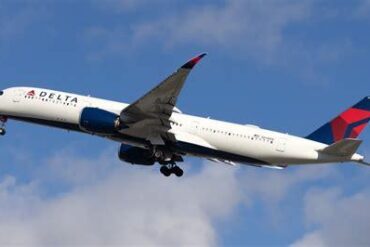
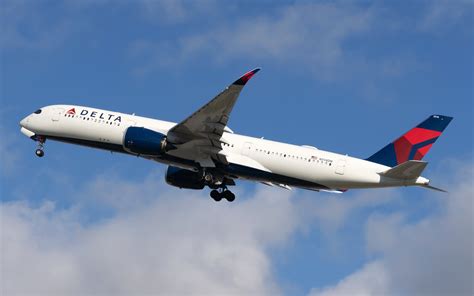
Delta recently confirmed the launch of daily Los Angeles–Hong Kong flights using the Airbus A350-900. The carrier also plans to increase frequencies on its restored Los Angeles–Shanghai route, which returned after years of disruption caused by geopolitical tensions and pandemic-era restrictions.
The current long-haul network from Los Angeles already includes destinations such as Paris, Tokyo Haneda, Sydney, Melbourne, Auckland, Brisbane, Shanghai, and soon Hong Kong. Together, these routes create a premium-focused international portfolio centered around high-yield business and luxury travel markets.
Esposito emphasized that Hong Kong remains one of the largest US-Asia business markets while also serving as an important cargo hub. His comments highlighted Delta’s larger ambition: becoming both “the carrier of Los Angeles” and a leading transpacific airline simultaneously.
That ambition requires substantial premium investment because Asian long-haul competition is exceptionally intense. Airlines like Cathay Pacific, Singapore Airlines, and ANA already operate highly regarded premium products. Delta’s response has been to elevate its own onboard and ground experience rather than competing primarily on price.
Delta Is Expanding Its Luxury Ground Experience At LAX
The premium battle no longer ends onboard the aircraft. Airports themselves have become critical parts of airline branding, particularly for high-spending travelers who increasingly value exclusivity, privacy, and convenience.
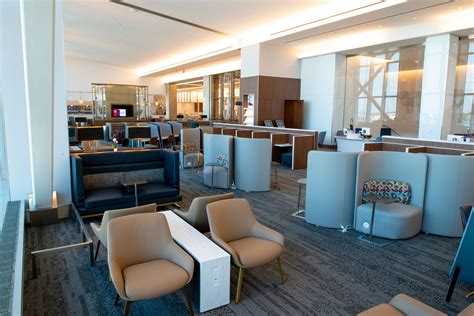
Delta has invested heavily in expanding its premium lounge ecosystem, especially at Los Angeles International Airport. The airline’s Delta One Lounge at LAX offers nearly 200 seats alongside chef-curated dining, wellness-focused spaces, premium check-in areas, and elevated service concepts designed to rival international luxury carriers.
Esposito acknowledged that Delta’s Sky Clubs have become so popular that overcrowding now presents operational challenges. Rather than reducing lounge demand, Delta is attempting to increase lounge capacity further, including reopening expansion facilities at LAX Terminal 2.
The airline also plans to introduce Delta One lounges across all major international gateway hubs over the coming years. These facilities are intended to create a fully integrated premium ecosystem that keeps affluent travelers inside the Delta brand experience from airport arrival through final destination.
That broader ecosystem helps explain why Delta believes a premium-heavy Los Angeles–London route can succeed despite intense competition. The airline is not simply selling a seat between California and the United Kingdom. It is selling a curated end-to-end luxury travel experience.
Why Delta’s London Return Signals A Larger Industry Shift
Delta’s planned return to London Heathrow reflects a wider transformation happening across global aviation. Airlines increasingly recognize that premium travelers generate disproportionate profitability, especially on long-haul international routes where business-class fares can exceed economy pricing by several multiples.
The future of airline competition may therefore revolve less around total passenger numbers and more around who controls the most valuable travelers.
Delta’s strategy at Los Angeles illustrates this shift perfectly. Instead of maximizing seat count, the airline is maximizing premium revenue potential through larger business-class cabins, upgraded lounges, advanced aircraft, and premium loyalty engagement.
If the airline successfully reintroduces LAX-LHR service with a 70%-premium configuration, it could become one of the clearest examples yet of how airlines are redesigning international networks around luxury demand rather than traditional mass-market economics.
For travelers, the result may be a dramatically elevated transatlantic experience. For competitors, it represents another escalation in the ongoing premium aviation arms race centered on Los Angeles.