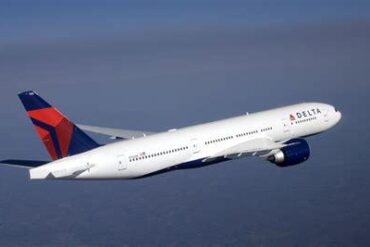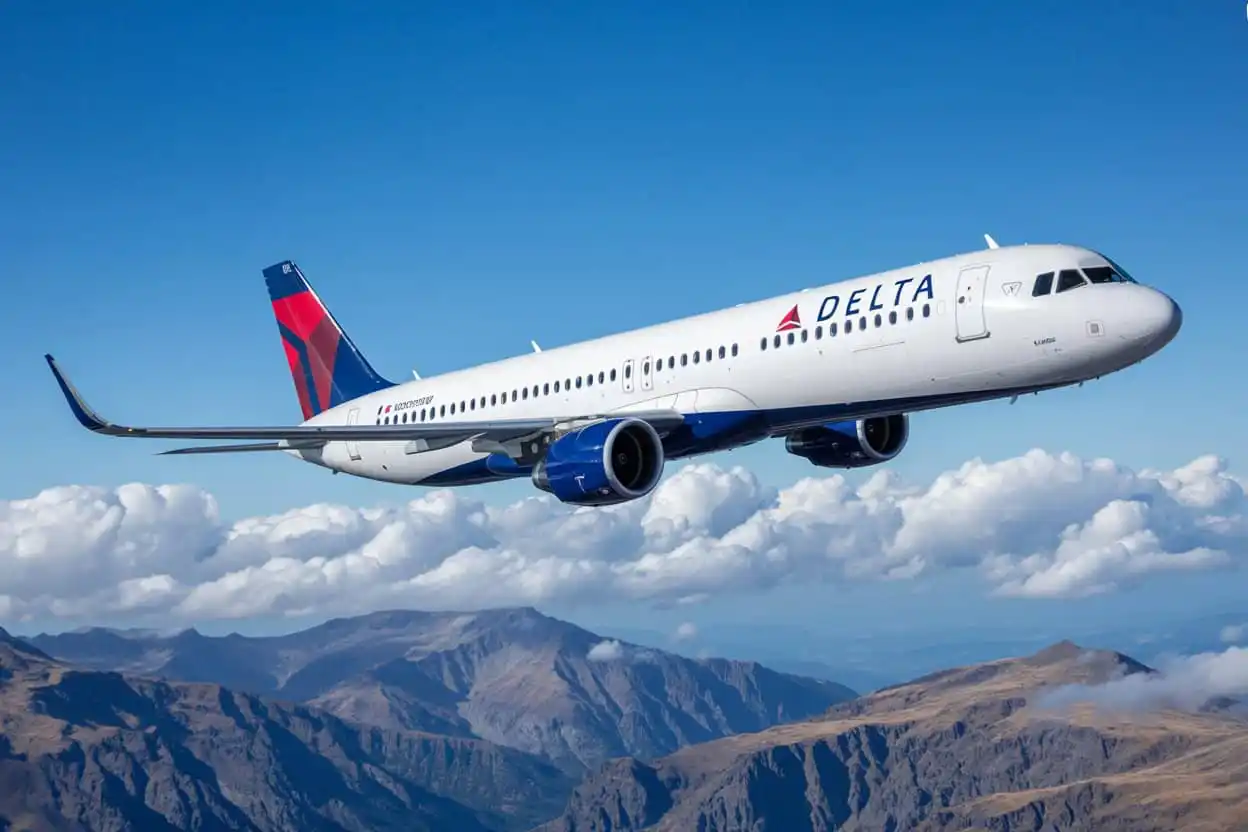
Delta Air Lines has officially re-entered one of Asia’s most strategically important aviation markets, launching a brand-new nonstop service between Los Angeles International Airport (LAX) and Hong Kong International Airport (HKG). The inaugural flight departed on June 6, 2026, marking the airline’s return to Hong Kong after an eight-year absence and adding another ultra-long-haul route to its expanding international network.
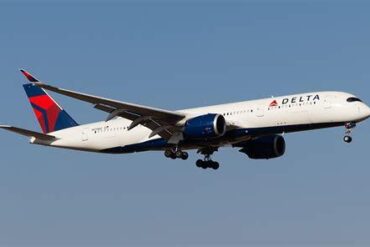
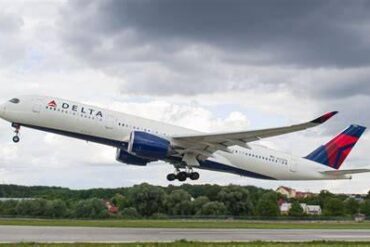
The new daily service represents a major milestone for Delta as it strengthens its presence across the Pacific. Operated by the airline’s flagship Airbus A350-900, the route stretches approximately 7,243 miles (11,657 kilometers) and requires up to 15 hours and 45 minutes of flying time, placing it among Delta’s longest flights and one of the most extensive nonstop services departing Southern California.
Delta’s Ambitious Return to Hong Kong
The launch of flight DL89 signals far more than the introduction of another long-haul route. It represents Delta’s strategic return to a market that has long been considered one of Asia’s most significant commercial and aviation hubs.
Departing Los Angeles at 11:30 PM, the flight crosses the Pacific Ocean before arriving in Hong Kong at approximately 5:00 AM local time two calendar days later. The unusual arrival timing is a result of crossing the International Date Line, a characteristic shared by many transpacific flights operating between North America and Asia.
For travelers, the new route creates another direct connection between two global economic powerhouses. Los Angeles remains one of North America’s busiest international gateways, while Hong Kong continues to serve as a critical center for finance, trade, logistics, and aviation throughout the Asia-Pacific region.
Until now, travelers seeking Delta-operated service to Hong Kong had limited options. The new nonstop flight restores a direct link that disappeared when Delta withdrew from the market in 2018.
Delta’s previous Hong Kong operations originated from its inherited Northwest Airlines network. The carrier initially connected Hong Kong through Tokyo Narita before eventually upgrading services to nonstop Seattle-Hong Kong flights. However, shifting market conditions led to the suspension of those operations, leaving the airline absent from Hong Kong for nearly a decade.
A Route Designed Around the Airbus A350-900
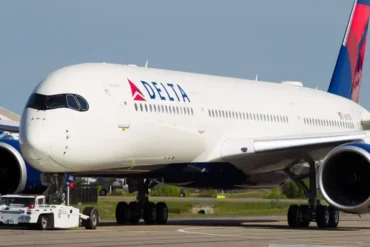
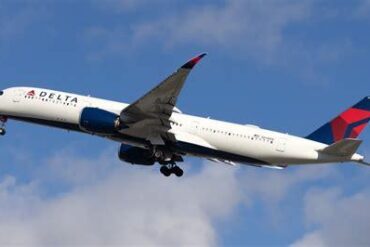
Delta selected the Airbus A350-900 to operate the demanding route, highlighting the aircraft’s importance within the airline’s modern long-haul fleet.
The A350 has emerged as one of the aviation industry’s premier ultra-long-range aircraft, combining fuel efficiency, passenger comfort, and significant cargo capability. Its advanced aerodynamics and next-generation engines enable airlines to connect cities separated by vast distances while maintaining competitive operating economics.
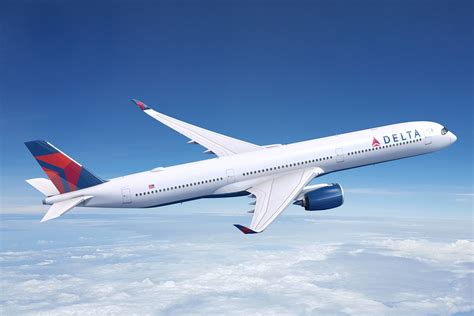
For Delta, the aircraft has become the backbone of many international operations, particularly across Asia. The type’s performance allows the airline to operate lengthy transpacific sectors while offering multiple cabin experiences tailored to different passenger segments.
Travelers on the Los Angeles-Hong Kong service can choose from Delta One Suites, Premium Select premium economy seating, Comfort+ extra-legroom seats, and the Main Cabin. The airline has also invested heavily in premium ground facilities at Los Angeles, including its upscale Delta One Lounge, further enhancing the appeal of the route for corporate and premium travelers.
The combination of onboard comfort and operational efficiency makes the A350 a natural fit for flights approaching sixteen hours in duration, where passenger experience becomes increasingly important.
Strong Interest Surrounds the Inaugural Flight
The first flight attracted considerable attention from aviation enthusiasts, frequent flyers, and industry observers eager to witness Delta’s return to Hong Kong.
Passengers onboard the inaugural service reported celebratory activities and commemorative gifts recognizing the significance of the occasion. Such events are common for major route launches, but they also reflect the strategic value Delta places on re-establishing its presence in the Hong Kong market.
Early demand indicators appear encouraging. The summer travel season traditionally generates strong passenger volumes across the Pacific, and Delta is expected to benefit from both leisure and business travel demand. The route also opens new connection opportunities through Los Angeles, allowing travelers from across the United States to access Hong Kong through Delta’s extensive domestic network.
Cargo Revenue Plays a Critical Role
While passenger traffic receives most of the public attention, cargo remains a major factor behind the route’s business case.
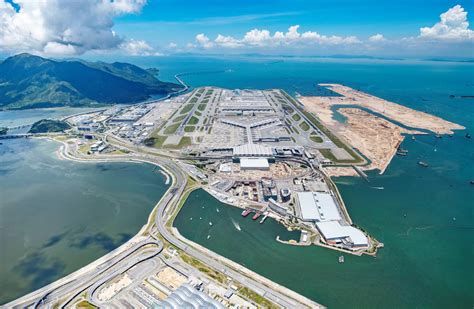
Hong Kong has consistently ranked among the world’s leading air cargo gateways, handling vast quantities of high-value goods moving between Asia, North America, and global markets. Electronics, pharmaceuticals, e-commerce shipments, and specialized industrial products all contribute to substantial freight demand.
The Airbus A350-900 offers considerable belly cargo capacity, enabling Delta to generate revenue from both passengers and freight. Industry analysts have frequently noted that successful ultra-long-haul routes often depend on a balanced combination of premium passenger demand and strong cargo performance.
By reconnecting Los Angeles and Hong Kong, Delta gains access to one of the most lucrative cargo corridors in international aviation.
Competition Intensifies Across the Pacific
Delta’s arrival introduces a new competitive dynamic on the Los Angeles-Hong Kong route.
The market is already served by established operators with deep experience in transpacific travel. Cathay Pacific has long maintained a dominant presence connecting Hong Kong with major North American destinations, while United Airlines currently operates multiple daily flights between Los Angeles and Hong Kong using Boeing 787-9 Dreamliners.
Competition is expected to focus heavily on premium travelers, corporate accounts, loyalty program members, and cargo customers. Service quality, schedules, airport facilities, and network connectivity will all play critical roles in attracting passengers.

Delta’s strategy appears centered on leveraging its growing Los Angeles hub, premium cabin products, and modern A350 fleet to secure market share. The airline has steadily expanded its international footprint from Southern California, and Hong Kong represents another important addition to that strategy.
A New Chapter in Delta’s Global Expansion
The launch of nonstop Los Angeles-Hong Kong service demonstrates Delta Air Lines’ continued commitment to expanding its global network through carefully selected long-haul routes.
As airlines increasingly deploy advanced aircraft capable of connecting distant cities nonstop, ultra-long-haul services are becoming a defining feature of modern aviation. Delta’s return to Hong Kong not only restores an important international link but also reinforces the airline’s ambitions across Asia.
For travelers, businesses, and cargo customers alike, the new route delivers another direct bridge between North America and one of Asia’s most influential aviation and financial centers. With daily Airbus A350 operations now underway, Delta has officially returned to Hong Kong—and it has done so with one of the longest flights in its network.