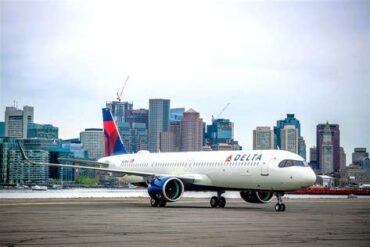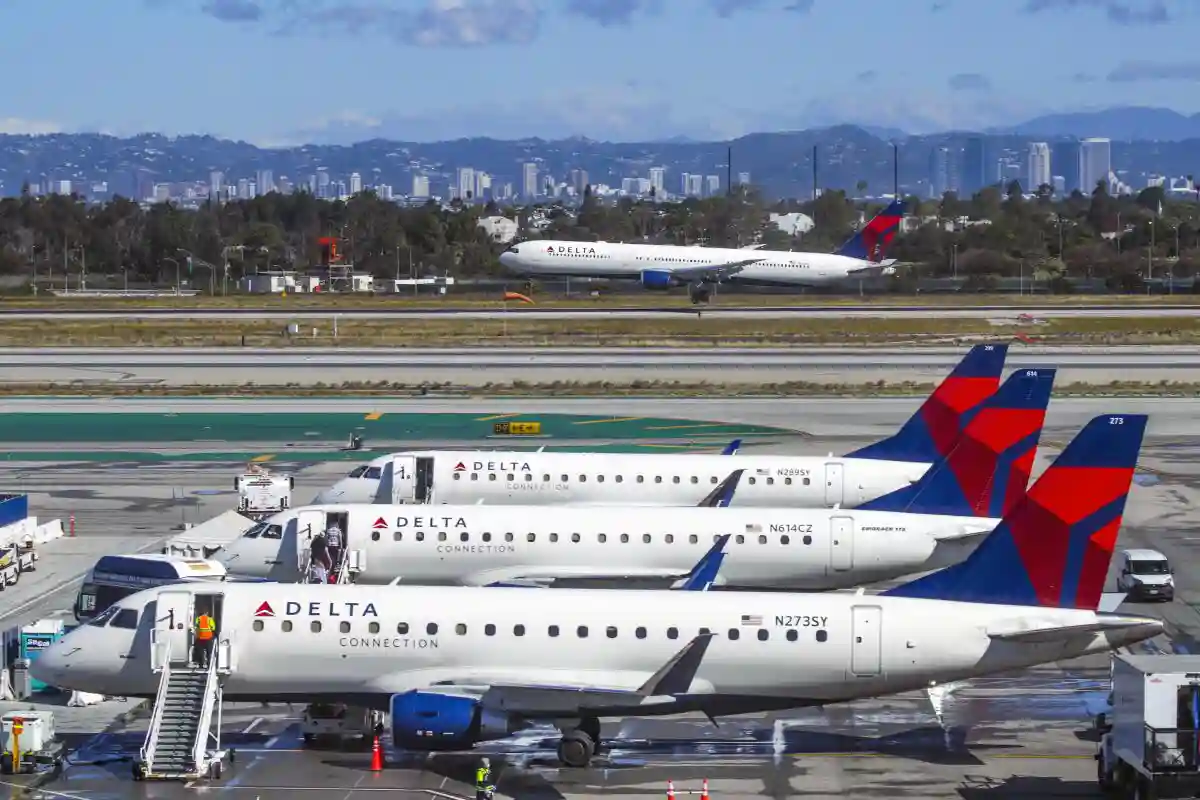
Delta Air Lines has quietly but decisively positioned itself as the leading U.S. carrier for long-haul nonstop international routes from Los Angeles, surpassing rival United Airlines in direct city destinations. With the announcement of its upcoming nonstop service to Hong Kong, Delta now reaches eight major long-haul cities from LAX, more than any other U.S. airline, edging out United’s seven-city portfolio.
This marks a pivotal milestone in the intense transpacific and transoceanic rivalry between the two legacy carriers, especially at Los Angeles International Airport (LAX) — a vital international gateway and strategic hub for both airlines.
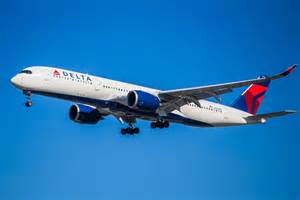
Delta’s Expanding Long-Haul Portfolio From Los Angeles
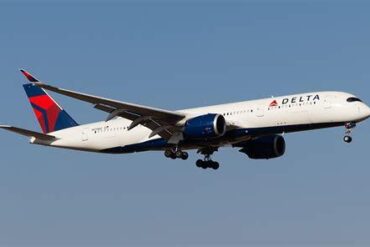
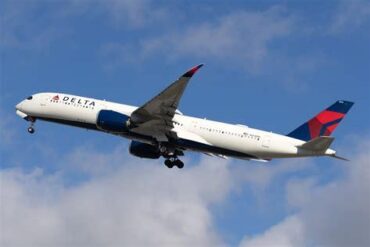
Delta’s surge is largely powered by its consistent deployment of the Airbus A350-900, the airline’s flagship widebody aircraft. With its advanced fuel efficiency, premium-heavy cabin configuration, and ultra-long-range capabilities, the A350-900 is a central figure in Delta’s international growth strategy.
The new Hong Kong service — slated to launch on June 6, 2026 — signifies more than just the resumption of a once-abandoned route. It’s a strategic re-entry into Greater China, leveraging the high-demand Asia-Pacific corridor. Delta last served Hong Kong in 2018, and its return reestablishes vital connectivity between the U.S. West Coast and one of Asia’s leading financial centers.
Simultaneously, Delta will begin flying to Melbourne, Australia, starting December 8, 2025. This new route will become Delta’s longest from Los Angeles and its third-longest across the entire network. The service will operate three times weekly, competing with Qantas and United, both of whom run daily or near-daily services. Delta’s entry reintroduces tripartite competition on a route that saw the withdrawal of Virgin Australia during the pandemic era.
Here’s an overview of Delta’s current and upcoming long-haul international nonstop services from LAX:
- Auckland: Daily (seasonal) A350-900; resuming October 7
- Brisbane: Three weekly (seasonal) A350-900; resuming October 31
- Hong Kong: Daily A350-900; new route beginning June 6, 2026
- Melbourne: Three weekly (seasonal) A350-900; new route launching December 8, 2025
- Paris Charles de Gaulle (CDG): Up to daily A350-900
- Shanghai Pudong: Three weekly A350-900
- Sydney: Daily to 11-weekly A350-900
- Tokyo Haneda: Daily A350-900
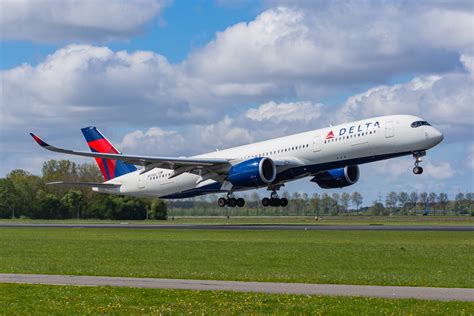
Strategic Implications for Delta’s Pacific Presence
With these additions, Delta is signaling a long-term strategic investment in the Asia-Pacific market, which is rapidly rebounding after prolonged pandemic restrictions. Reintroducing Hong Kong and tapping into underserved Australia demand illustrates a deliberate approach: target high-yield, long-duration routes with scalable seasonal deployment, maximizing aircraft utilization and network relevance.
Although Los Angeles is only Delta’s fourth-busiest hub for A350 movements, the city’s role as a global origin-destination (O&D) powerhouse makes it indispensable. Los Angeles offers unique passenger traffic flows, especially among business travelers, international tourists, and diaspora communities — all crucial to long-haul profitability.
This growing footprint also helps Delta rebalance its transpacific emphasis. With limited operations in China and no Tokyo Narita hub (formerly part of Northwest Airlines’ inheritance), Delta’s long-haul Asia strategy now hinges primarily on point-to-point connections out of LAX and strategic SkyTeam partnerships in key foreign airports.
What Happened to Delta’s Tahiti Ambition?
Notably absent from the long-haul list is Papeete, Tahiti, which Delta quietly retired after a short-lived seasonal stint. First launched in December 2022 with the Boeing 767-300ER, the route failed to meet expectations. By June 2025, Delta withdrew the service due to underwhelming seat occupancy — only 67% load factor according to U.S. Department of Transportation figures.
The route also faced intense competition: Air France and Air Tahiti Nui both operate similar services — often as part of long-haul Paris itineraries — while United and French bee serve Papeete from San Francisco. Given Delta’s use of older 767s without its flagship business class product, it became clear the route lacked the premium configuration and market differentiation to thrive.
Instead, Delta redeployed these aircraft and crew resources toward higher-demand, longer-haul markets where the A350-900 could shine.
United’s Nonstop Long-Haul Network From LAX: A Tight Race
United Airlines is by no means conceding. The Star Alliance giant continues to operate an impressive long-haul schedule from LAX, currently matching Delta in airport count (eight cities) but falling one city short when unique city destinations are considered. United’s nonstop portfolio includes:
- Beijing Capital: Three weekly 787-9
- Hong Kong: Two daily 787-9
- London Heathrow: Daily 787-9
- Melbourne: Three weekly to daily 787-9
- Shanghai Pudong: Daily 787-9
- Sydney: Daily 787-9
- Tokyo Haneda: Daily 787-10
- Tokyo Narita: Daily 787-9
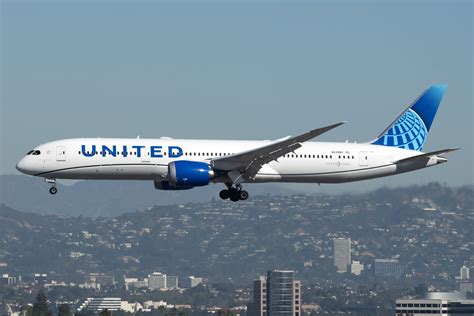
It’s important to note that United’s network utilizes two Tokyo airports (Narita and Haneda), which boosts airport count but does not increase the number of unique city destinations. This technical nuance allows Delta to claim the edge in nonstop cities, even if United maintains greater overall frequency in some markets.
United’s Secret Weapon: One-Stop International Reach
The picture shifts when same-flight-number one-stop services are included. United leverages this model to reach an additional three Southeast Asian cities:
- Bangkok, via Hong Kong
- Ho Chi Minh City, via Hong Kong
- Cebu, via Tokyo Narita
These flights operate under single flight numbers, offering passengers streamlined itineraries with no aircraft change — a subtle but significant advantage in terms of market presence and schedule marketing. For passengers seeking one-ticket, one-plane convenience, United still offers superior coverage.
Still, in terms of nonstop cities served directly from LAX, Delta now leads.
Why This Matters for Los Angeles Travelers
For LAX passengers — whether business, leisure, or VFR (visiting friends and relatives) — this shift in airline offerings provides increased flexibility, improved seat availability, and access to enhanced onboard experiences. The A350-900 offers Delta One Suites, expanded premium economy, and next-gen inflight entertainment — a competitive advantage when compared to older aircraft types or less optimized configurations.
Meanwhile, the Los Angeles–Asia-Pacific corridor is growing in relevance again after years of pandemic-driven dormancy. As China, Southeast Asia, and Oceania restore tourism and corporate ties, the presence of more direct routes — especially with premium service — becomes critical.
The Competitive Outlook
Delta’s momentum is unlikely to fade. By smartly re-entering lucrative markets and adjusting capacity seasonally, it demonstrates a flexible, high-margin approach to international growth. Additionally, the airline’s investment in premium cabins and long-haul product consistency builds brand loyalty among affluent travelers.
United, however, remains a potent rival. Its robust global network and clever use of inter-Asian legs gives it depth even when its nonstop count trails. Both carriers understand that Los Angeles is a fiercely competitive battleground — not only among U.S. airlines, but against foreign flag carriers like ANA, Cathay Pacific, China Eastern, Qantas, and others.
Ultimately, passengers win. The growing nonstop long-haul menu from LAX now offers unprecedented choice, frequency, and comfort, with Delta’s recent moves reshaping the competitive order.
As of mid-2025, Delta Air Lines officially serves more long-haul international cities nonstop from Los Angeles than United, marking a landmark shift in West Coast aviation dynamics. This development underscores Delta’s strategic commitment to LAX as an international gateway and sets the stage for further transpacific expansion in the years ahead.