United Airlines and Delta Air Lines are facing off in one of the most competitive markets in international aviation: the Los Angeles–Hong Kong route. After Delta restarted nonstop flights between Los Angeles International Airport (LAX) and Hong Kong International Airport (HKG), United Airlines has questioned whether its rival can generate enough demand to make the route financially successful.
United Airlines Chief Commercial Officer Andrew Nocella criticized Delta’s performance during an employee earnings event, suggesting that the airline’s current pricing strategy indicates difficulty filling seats on its newly launched service. According to Nocella, Delta’s entry has created additional competition, but United believes the market conditions may not support another major carrier operating the route.
United Airlines Challenges Delta’s Hong Kong Route Strategy
United Airlines has operated flights between the United States and Hong Kong for years, building a strong presence through its trans-Pacific network. The airline currently serves Hong Kong from both Los Angeles and San Francisco, with frequent services supported by additional connections beyond Hong Kong.
A major advantage for United is its fifth-freedom service structure, allowing some flights to continue onward from Hong Kong to destinations such as Bangkok and Ho Chi Minh City. These onward connections help United attract passengers who are traveling beyond Hong Kong rather than only serving local traffic between the United States and the Chinese financial hub.
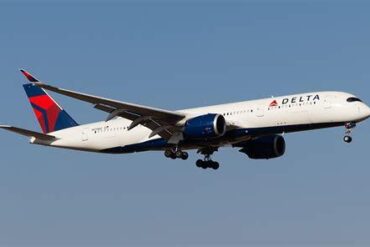
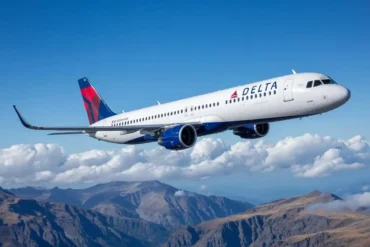
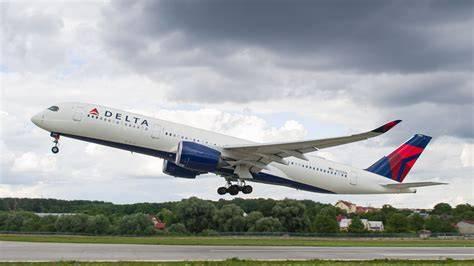
Delta, meanwhile, returned to the Los Angeles–Hong Kong market on June 6 after an eight-year absence. The airline operates a daily Airbus A350-900 service, positioning the route as an important part of its international expansion strategy from Los Angeles.
However, Nocella argues that Delta’s early pricing activity suggests the airline is facing challenges in attracting enough passengers. He pointed to market data showing Delta increasing capacity by around 8% while producing a lower yield compared with United’s performance.
“The LA-HKG route is quite successful now as a result of the BKK/SGN tags,” Nocella said, adding that United believes Delta will struggle because “they’re unable to fill up their airplanes.”
Delta’s Airbus A350 Faces Heavy Competition at LAX
Delta’s return to Hong Kong places the airline directly against established competitors. United already operates multiple daily flights, while Cathay Pacific also maintains a strong presence on the route with several daily services.
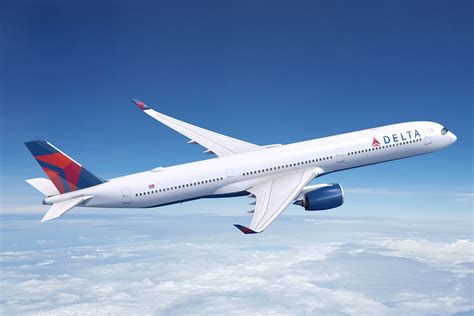
The competition creates a difficult environment because Hong Kong is already served by airlines with deep regional networks and loyal customer bases. United benefits from connecting passengers across Asia through its additional destinations, while Delta’s Hong Kong service currently relies more heavily on its own network and partner relationships.
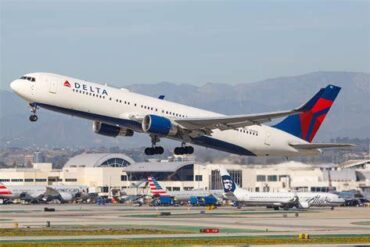
Despite United’s criticism, Delta remains one of the largest airlines at Los Angeles International Airport. The carrier operates more than 160 peak-day departures to 61 destinations from LAX, giving it a significant foundation for expanding international operations.
Delta has been increasing its long-haul presence from Los Angeles, with new international services including routes to Melbourne, Shanghai, and future flights to Manila. The airline views Hong Kong as part of a broader strategy to strengthen its global network rather than simply as a standalone route.
Early Financial Results Show Different Route Performance
The early performance figures highlight a contrast between the two airlines. United reportedly achieved a stronger yield on the Hong Kong market, with approximately 10.9% yield growth alongside a more controlled 4.1% capacity increase. Delta, by comparison, recorded around 7% yield growth while increasing capacity by approximately 8%.
These numbers suggest United currently has a stronger position on the route, although they do not necessarily determine the long-term outcome. New international routes often require time to build awareness, establish corporate contracts, and develop connecting passenger demand.
Delta has also emphasized the importance of cargo operations on international flights. The airline reported that second-quarter cargo revenue exceeded $294 million, supported by increased shipping demand. Hong Kong remains a valuable market for transporting electronics, pharmaceuticals, and high-value commercial goods.
The Battle for Hong Kong Reflects Wider Airline Competition
The disagreement between United and Delta highlights the growing competition among major US airlines for premium international markets. As carriers expand their global networks, routes must balance passenger demand, cargo opportunities, aircraft utilization, and operating costs.
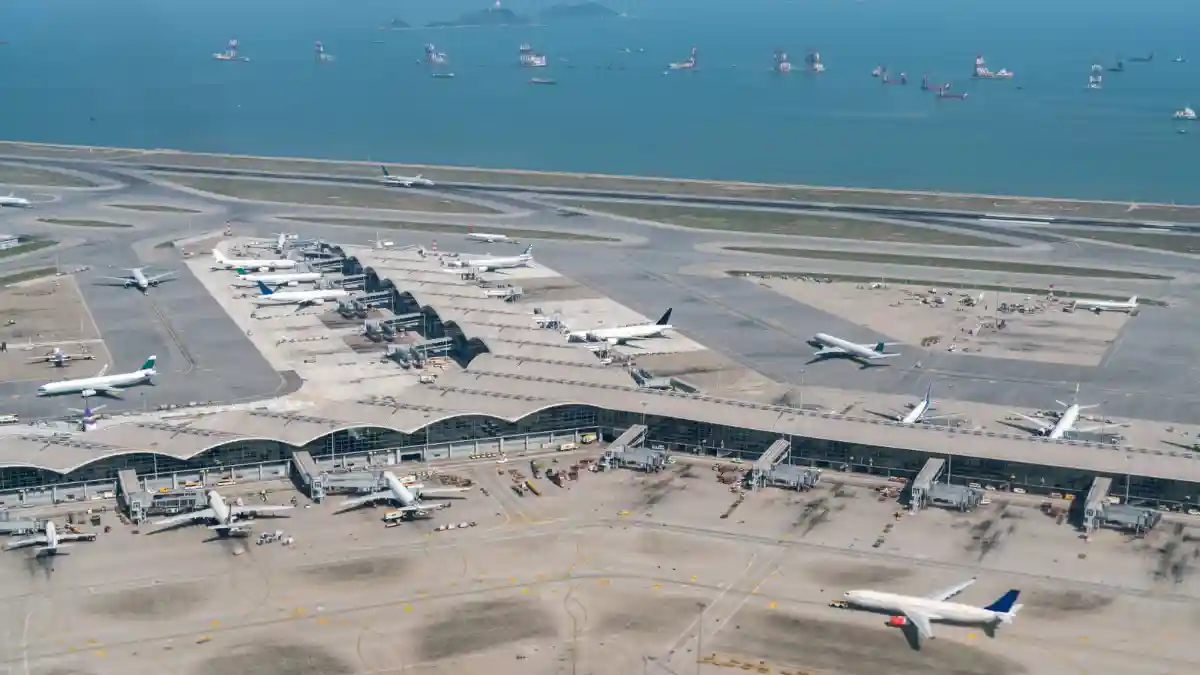
United believes its established presence and regional connections provide a long-term advantage, while Delta sees its return to Hong Kong as a strategic opportunity to strengthen its international footprint.
Ultimately, the success of Delta’s Los Angeles–Hong Kong service will depend on more than early pricing trends. Passenger demand, business travel recovery, loyalty program strength, and future network adjustments will determine whether Delta can turn the route into a profitable operation.
For now, the competition between the two airlines is becoming a closely watched battle in the trans-Pacific aviation market, with both carriers aiming to prove they can succeed in one of the world’s most challenging international aviation corridors.