The aviation industry entered 2026 hoping the pilot shortage crisis would finally begin to fade. Instead, airlines across the world are still scrambling to recruit qualified aviators fast enough to keep pace with surging passenger demand, aggressive route expansion, and a retirement wave that refuses to slow down. While the situation is no longer as chaotic as the immediate post-pandemic years, the shortage remains very real — and the industry’s solutions are becoming increasingly aggressive, expensive, and controversial.
Commercial aviation has always depended on long-term workforce planning. Pilots cannot simply be hired overnight. Training takes years, costs a fortune, and requires strict regulatory oversight. The problem facing airlines today is that too many experienced pilots are leaving the profession while too few young candidates are entering it quickly enough. Even as airlines post record revenues and aircraft manufacturers deliver more fuel-efficient jets, the cockpit workforce remains one of the industry’s biggest bottlenecks.
The shortage is not affecting every airline equally. Major global carriers with deep financial resources are surviving better than regional operators, low-cost airlines, and smaller international carriers. Yet even the strongest airlines are being forced to rethink hiring pipelines, salary structures, and promotion systems in order to secure enough pilots for future growth.
By 2026, the pilot shortage has evolved from a temporary operational disruption into a structural aviation challenge with global consequences.
The roots of the crisis stretch back years before the pandemic. Airline pilot demographics were already becoming problematic during the late 2010s, particularly in North America and Europe. Thousands of pilots hired during aviation’s growth boom in the 1980s and 1990s are now reaching mandatory retirement age. In most countries, airline pilots must retire at age 65, regardless of experience or health condition.
That mandatory retirement rule continues to remove enormous numbers of senior pilots from airline rosters every single year. The United States alone sees more than 15,000 pilots approaching retirement annually, creating a constant replacement challenge for carriers already struggling to expand.
The pandemic made the situation dramatically worse. During COVID-19, airlines slashed schedules, parked aircraft, and encouraged early retirements to reduce costs. Many experienced captains accepted retirement packages or permanently left aviation. When travel demand unexpectedly rebounded faster than forecast, airlines suddenly discovered they no longer had enough cockpit crews to operate full schedules.
The numbers remain staggering. Industry estimates suggest the world lost well over 100,000 active pilots between 2019 and 2022. Even though hiring accelerated afterward, airlines have spent the last several years trying to rebuild a workforce pipeline that had effectively collapsed during the pandemic years.
Why Pilot Training Remains The Industry’s Biggest Obstacle
The biggest issue facing airlines in 2026 is not attracting interest in aviation careers. Becoming an airline pilot is still viewed as a dream profession by many young people. The real problem is accessibility.
Modern commercial pilot training is extraordinarily expensive. In the United States, aspiring pilots can spend anywhere between $90,000 and $150,000 before becoming eligible for airline employment. Those costs include flight hours, certifications, simulator sessions, instructor fees, housing expenses, and examination charges. In many cases, trainees accumulate debt levels comparable to medical school students.
Unlike other professions, airline pilots also face a unique experience requirement. In the US, pilots generally need 1,500 flight hours before becoming eligible for airline transport certification. Building those hours takes time, money, and persistence. Some trainees reach the threshold within 18 months, while others spend years working as flight instructors or charter pilots before qualifying.
This bottleneck has slowed the replacement rate of retiring aviators. Airlines are losing experienced captains faster than training institutions can produce fully qualified first officers.
The situation becomes even more difficult for regional airlines. These smaller carriers traditionally served as entry points for new pilots, but major airlines are now aggressively recruiting from regional fleets. The result is a constant talent drain that leaves smaller operators short-staffed.
Airlines Are Offering Massive Financial Incentives
Airlines understand the severity of the issue, and compensation packages have changed dramatically because of it. Pilot salaries in 2026 are significantly higher than they were just a decade ago.
Captains at major international airlines are now among the highest-paid transportation professionals in the world. Even entry-level first officers are seeing substantial salary increases, signing bonuses, retention packages, and accelerated promotion opportunities.
In the United States, competition among carriers such as Delta Air Lines, United Airlines, and Southwest Airlines has pushed pilot compensation to historic highs. Regional airlines that once struggled to attract applicants are now offering six-figure packages for relatively junior pilots.
The salary race is changing aviation economics. Airlines now spend billions more annually on pilot labor costs compared to pre-pandemic years. Ticket prices, operational efficiency strategies, and route planning decisions are increasingly influenced by pilot availability and wage pressures.
However, money alone cannot instantly solve the shortage. Even with better pay, training pipelines still require years to produce qualified aviators. Airlines may attract candidates faster than before, but certification timelines remain largely unchanged.
Accelerated Flight Academies Are Becoming Critical
One of the most important developments in 2026 is the rapid expansion of accelerated pilot training programs. Aviation academies are now operating more like high-intensity career pipelines than traditional flight schools.
Institutions such as US Aviation Academy have become central players in the airline staffing ecosystem. These academies focus on compressing training timelines while maintaining regulatory standards, allowing students to reach airline-ready status much faster than conventional pathways.
The academy’s accelerated programs can move students from zero experience to commercial and flight instructor certifications within roughly nine months. Graduates then build flight hours rapidly through instructor positions before transitioning into regional airline cockpits.
This model is becoming increasingly popular because airlines desperately need scalable solutions. Training organizations are partnering directly with carriers to create guaranteed hiring pathways, tuition support programs, and cadet sponsorship systems.
Airlines are no longer waiting passively for applicants to appear. Instead, they are actively building pilot pipelines years before trainees even qualify.
Some carriers now recruit future pilots directly from universities and high schools. Others finance training in exchange for long-term employment commitments. The strategy mirrors military recruitment systems, where organizations invest early in workforce development rather than competing only at the hiring stage.
The Debate Over Safety And Faster Promotions
As airlines accelerate pilot progression, concerns about safety standards have intensified.
One of the most controversial developments involves reducing the experience requirements for promotion from First Officer to Captain. Several airlines have shortened minimum flight-hour thresholds in order to move pilots into command positions faster.
Cathay Pacific became one of the most discussed examples after reducing the flying-hour requirement for First Officers seeking captain upgrades. The airline argued that operational pressures and cancellation risks required more flexibility in career progression.
Critics worry these changes could create unintended safety risks. Aviation is built around accumulated experience, particularly in command decision-making during abnormal or emergency situations. While modern aircraft automation is incredibly advanced, airlines still rely heavily on pilot judgment during critical events.
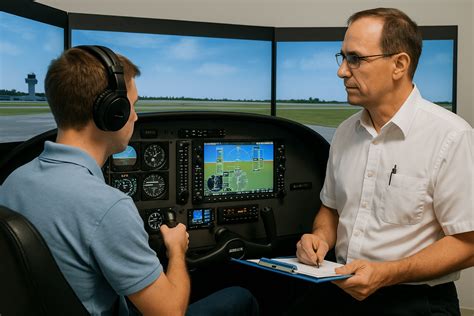
Supporters of accelerated promotions argue that today’s pilots receive far more sophisticated simulator training than previous generations. Modern flight simulators can recreate highly complex emergencies, weather events, and system failures with remarkable realism.
The debate reflects a broader challenge facing aviation in 2026: balancing operational necessity with the industry’s uncompromising safety culture.
Could Retirement Rules Eventually Change?
The mandatory retirement age continues to generate fierce debate across the aviation sector.
Some lawmakers and airline executives support raising the retirement age from 65 to 67 or beyond. Proponents argue that modern healthcare, improved cockpit technology, and longer life expectancy make older pilots capable of flying safely for additional years.
Regulators remain cautious. Authorities such as the Federal Aviation Administration have repeatedly emphasized the need for more research before implementing such a major regulatory change.
There are also international complications. Many countries still follow the International Civil Aviation Organization’s age-65 standard for airline pilots operating international flights. Raising the limit in one country could create regulatory inconsistencies for global carriers.
Even if retirement ages eventually increase, experts believe the move would only provide temporary relief rather than a permanent solution. Airlines would still need enormous numbers of new pilots over the next two decades due to fleet growth and expanding global travel demand.
The Future Of Aviation Hiring In The Next Decade
The pilot shortage of 2026 is no longer viewed as a short-term staffing disruption. Airlines increasingly recognize it as a defining workforce challenge that could shape route networks, fleet planning, and profitability for years.
Aircraft manufacturers continue delivering new jets at aggressive rates, but airplanes alone cannot generate revenue without enough qualified crews to operate them. Some airlines already possess more aircraft than available pilots for peak scheduling periods.
The industry’s response is becoming more coordinated. Airlines, flight academies, regulators, and financing institutions are finally treating pilot recruitment as a long-term strategic priority rather than a cyclical hiring problem.
Technology may eventually help ease pressure. Artificial intelligence, advanced cockpit automation, and future single-pilot operational concepts are being explored across the industry. Yet those technologies remain controversial and years away from large-scale passenger acceptance.
For now, aviation still depends on highly trained human pilots sitting at the controls of increasingly sophisticated aircraft.
The pilot shortage in 2026 is absolutely real. It may no longer dominate headlines the way it did during the immediate post-pandemic recovery, but the underlying structural issues remain deeply embedded within global aviation. Mandatory retirements, expensive training pathways, and relentless travel demand continue to strain airline staffing systems worldwide.
The difference today is that airlines are no longer ignoring the problem. They are redesigning hiring pipelines, funding training programs, increasing salaries, and experimenting with faster advancement models in a race to secure the next generation of aviators before the shortage grows even more severe.