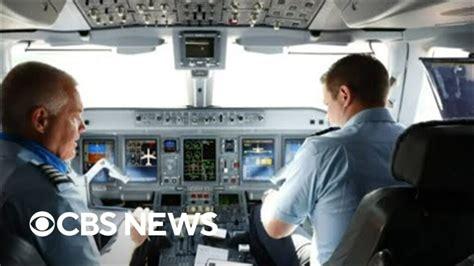
The global aviation industry is facing one of its most complicated workforce crises in decades. Airlines are adding routes, passengers are returning in record numbers, and aircraft manufacturers continue delivering new jets, yet carriers across the world still struggle to find enough qualified pilots to keep operations running smoothly. Delayed flights, grounded aircraft, reduced schedules, and aggressive recruitment campaigns have become common symptoms of a problem that runs far deeper than many travelers realize.
For years, the pilot shortage was discussed as a temporary staffing issue. In reality, it has evolved into a structural imbalance between how quickly airlines need pilots and how slowly the aviation system can produce them. The crisis affects everything from regional carriers in the United States to fast-growing low-cost airlines in Europe and Asia. Even major international airlines with strong salaries and prestigious brands are feeling pressure.
The shortage is not caused by a single event. It is the result of overlapping problems that have quietly built for more than a decade. Aging workforces, expensive training requirements, disrupted career pipelines, pandemic-era retirements, and shifting lifestyle expectations have combined to create an industry-wide bottleneck that cannot be solved overnight.
For airlines, the challenge is no longer simply attracting applicants. The real challenge is finding pilots who are experienced, qualified, and ready to operate increasingly complex commercial aircraft in a demanding global environment.
The Pilot Shortage Did Not Begin Overnight
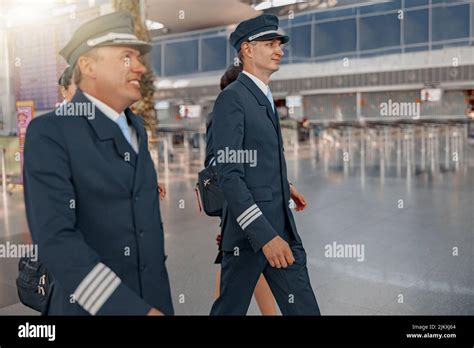
Many people assume the pilot shortage suddenly appeared after the pandemic. While COVID-19 accelerated the crisis dramatically, the warning signs existed long before global travel shut down in 2020. Aviation analysts had already been discussing demographic pressures and shrinking pilot pipelines throughout the 2010s.
Airlines spent years expanding aggressively during periods of strong travel demand. Aircraft orders increased, route networks grew, and low-cost carriers transformed international travel into a far more accessible experience. Yet the supply of pilots failed to expand at the same pace. Training infrastructure simply did not keep up with the long-term growth of global aviation.
At the same time, the average age of airline pilots continued rising. Large groups of pilots hired during previous airline expansion eras were approaching mandatory retirement age simultaneously. The industry understood this wave was coming, but many carriers underestimated how difficult replacing experienced crews would become.
The pandemic then disrupted the fragile balance entirely. Airlines encouraged early retirements, paused recruitment programs, and froze pilot hiring. Thousands of pilots left commercial aviation permanently. Some moved into cargo operations or corporate aviation, while others retired years earlier than expected. Once travel demand rebounded faster than anticipated, airlines suddenly discovered they had lost a massive amount of experience from the system.
The result was not merely a staffing gap. It was the collapse of a carefully layered experience ladder that airlines depend on to maintain operational stability.
Why Becoming an Airline Pilot Takes So Long
Unlike many professions, aviation cannot rapidly scale its workforce. Even under ideal conditions, transforming a student with zero experience into an airline-ready pilot takes years of training, testing, and flight experience.
The journey begins with a private pilot license, but that is only the first step in a much longer process. Aspiring pilots must continue through instrument training, commercial licensing, multi-engine certification, and advanced operational procedures before they can seriously pursue airline employment.
In countries such as the United States, pilots typically need 1,500 total flight hours before qualifying for an Airline Transport Pilot certificate. Accumulating those hours is often the most difficult and expensive stage of the process. Many pilots spend years working as instructors or flying smaller aircraft for relatively modest pay while attempting to build experience.
Even after reaching the required hours, pilots are still not fully prepared for airline operations. Airlines require simulator training, multi-crew coordination practice, line checks, safety evaluations, and aircraft-specific instruction. Flying a commercial jet involves far more than basic flight skills. Pilots must manage complex automation systems, weather decision-making, operational pressures, and international procedures while working seamlessly with cabin crews, dispatchers, and air traffic controllers.
This lengthy pipeline creates a fundamental problem for airlines. Demand for pilots can increase rapidly when travel surges, but pilot production cannot suddenly accelerate in response. Training timelines remain fixed regardless of market conditions.
Flight Schools Are Struggling Under Growing Demand
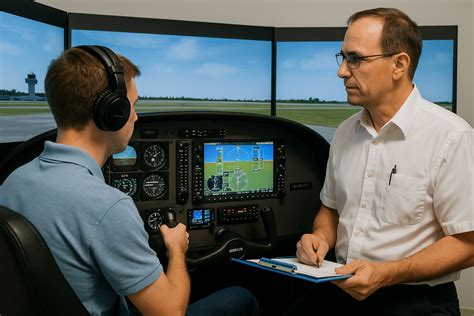
The training system itself is under immense pressure. Flight schools around the world report rising student interest, but many lack the instructors, aircraft, and maintenance capacity necessary to expand quickly.
One of the biggest issues is instructor turnover. Flight instructors are often building hours specifically to leave for airline jobs. Once they become qualified for airline recruitment, they depart almost immediately. This creates a revolving-door environment where schools continuously lose experienced instructors faster than they can replace them.
Aircraft shortages also contribute to slower training progress. Increased student enrollment means more wear on training fleets, while maintenance delays can leave aircraft unavailable for extended periods. Weather disruptions, simulator availability, and regulatory scheduling limitations further slow the process.
The result is a bottleneck that affects every stage of pilot development. Students wait longer for training slots, instructors manage heavier workloads, and schools struggle to maintain consistent throughput.
For airlines hoping the market will suddenly produce thousands of new pilots, the reality is far less optimistic. Even if enrollment surged dramatically tomorrow, it would still take years before those students reached airline cockpits.
The Massive Retirement Wave Reshaping Aviation
Mandatory retirement regulations remain one of the largest drivers of the shortage. In most countries, airline pilots must retire at age 65. That rule creates a predictable but unavoidable stream of departures every year.
The problem becomes more severe when large generations of pilots reach retirement age simultaneously. Many airlines now face exactly that scenario. Senior captains hired during earlier growth eras are leaving the workforce in enormous numbers, taking decades of experience with them.
Replacing a retiring captain is not as simple as hiring a new pilot. Airlines promote first officers into captain positions, which then creates vacancies throughout the entire staffing chain. Every retirement triggers a ripple effect across the organization.
This dynamic particularly hurts regional airlines. Regional carriers traditionally serve as the first step for many commercial pilots before they move to major airlines. When large airlines begin hiring aggressively, they recruit heavily from regional operators, draining them of experienced crews almost overnight.
Some regional airlines have already reduced flight frequencies or suspended routes entirely because they lack enough pilots to operate scheduled flights. In many cases, the aircraft themselves are available, but there are not enough qualified crews to fly them.
The Financial Barrier Preventing Future Pilots
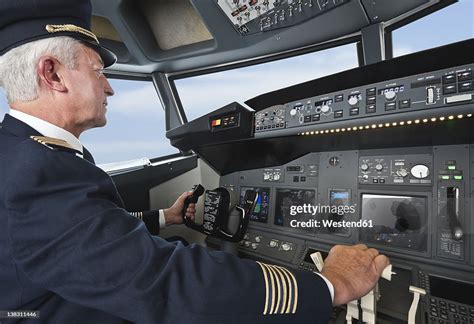
One of the least discussed realities behind the pilot shortage is cost. Becoming a commercial pilot is extraordinarily expensive, and for many aspiring aviators, the financial burden is overwhelming.
In numerous countries, full pilot training can easily exceed six figures. Students must pay for aircraft rental, fuel, instructor fees, simulator sessions, medical certifications, licensing exams, and accommodation costs during training. Unlike some professions where graduates immediately earn high salaries, pilots often spend years in lower-paying jobs while building experience.
This creates a major accessibility problem. Many talented individuals simply cannot afford the path into aviation, regardless of passion or skill. Others hesitate to take on enormous debt without guaranteed airline employment waiting at the end.
The financial risk became especially obvious during the pandemic. Thousands of pilots suddenly lost jobs or faced uncertain career prospects, reinforcing concerns among younger generations about aviation’s long-term stability.
Airlines increasingly recognize this issue. Some carriers now partner directly with flight schools to create sponsored cadet programs that reduce upfront costs and provide clearer career pathways. These initiatives help, but they remain limited compared to the scale of global pilot demand.
Without broader financial accessibility, the aviation industry risks shrinking its future talent pool at precisely the moment it needs expansion.
Airlines Need Experienced Captains More Than Beginners
Public discussions about pilot shortages often focus on entry-level hiring, but the deeper problem involves experience. Airlines do not simply need more pilots. They need more captains.
A captain carries operational authority and responsibility for the aircraft, passengers, crew, and flight decisions. Reaching that level requires thousands of flight hours, advanced procedural knowledge, and years of operational judgment developed through real-world experience.
This creates another bottleneck within airline staffing systems. Even when airlines successfully recruit new first officers, those pilots cannot immediately replace retiring captains. Building command experience takes time, and regulations cannot simply be relaxed without raising serious safety concerns.
The imbalance has created fierce competition for experienced pilots worldwide. Airlines now offer signing bonuses, retention incentives, schedule flexibility, and improved compensation packages to attract or keep senior crews.
Some airlines are even restructuring career pathways to accelerate command progression where possible. Yet there are hard limits to how quickly pilots can safely accumulate the experience necessary for captain upgrades.
This explains why airlines continue struggling despite aggressive hiring campaigns. The shortage is not merely about headcount. It is about experience distribution across the workforce.
Pandemic Recovery Exposed the Fragility of Airline Staffing
The aviation industry’s rapid rebound after COVID-19 exposed just how fragile airline staffing models had become. During the pandemic, airlines focused heavily on survival. Aircraft were parked, hiring stopped, and workforce reductions became widespread.
What many executives did not anticipate was how quickly passenger demand would return. Leisure travel surged first, followed by international markets and business travel recovery. Airlines suddenly needed far more pilots than expected, but rebuilding staffing pipelines proved painfully slow.
Many former pilots had already moved on. Corporate aviation and cargo operators offered attractive alternatives with stable schedules and competitive pay. Some pilots permanently left aviation altogether.
The industry discovered that aviation talent is not infinitely flexible. Once skilled workers leave the ecosystem, replacing them becomes extremely difficult.
The pandemic also changed career expectations for younger pilots. Work-life balance, schedule predictability, and mental health concerns now influence career decisions more heavily than in previous generations. Airlines accustomed to demanding schedules and constant mobility increasingly face pressure to improve quality of life for crews.
In this sense, the shortage reflects not only operational challenges but also changing workforce culture across modern aviation.
Technology Cannot Solve the Problem Anytime Soon
Some industry observers believe automation will eventually reduce pilot demand. Modern aircraft already rely heavily on sophisticated flight management systems, autopilot technology, and advanced navigation tools.
However, fully autonomous passenger airliners remain far from commercial reality. Aviation regulators, airlines, pilot unions, and passengers continue viewing human oversight as essential for safety. Complex decision-making during emergencies, weather disruptions, and system failures still requires highly trained pilots.
Even proposals to reduce cockpit crews face enormous regulatory and operational resistance. Airlines may eventually adopt more automation-assisted procedures, but technology will not eliminate the need for skilled commercial pilots anytime soon.
Instead, the industry’s immediate future likely depends on improving training efficiency, expanding cadet programs, increasing instructor availability, and making aviation careers financially sustainable for a broader range of people.
Why the Pilot Shortage Could Last for Years
The pilot shortage is not a temporary disruption caused by one crisis. It is the result of multiple long-term pressures colliding simultaneously. Training systems move slowly, retirement waves continue accelerating, financial barriers remain high, and global air travel demand keeps growing.
Some regions will recover faster than others. Airlines with strong salaries, attractive benefits, and stable career pathways will likely maintain hiring advantages. Smaller regional carriers may continue facing severe staffing pressure for years.
What remains clear is that aviation cannot rapidly manufacture experience. Pilots require time, training, and operational exposure that no shortcut can replace safely.
The shortage ultimately reveals something larger about the modern airline industry. For decades, airlines optimized efficiency, reduced costs, and expanded aggressively during periods of booming demand. But pilot development never became faster, cheaper, or easier. When travel returned at full speed, the industry suddenly confronted the limits of its own workforce pipeline.
That reality explains why airlines across the world are still searching desperately for qualified pilots in 2026, and why solving the crisis may take far longer than passengers expect.