Commercial aviation in the United States is confronting a structural workforce challenge that goes far beyond headlines about a “pilot shortage.” As travel demand rebounds and fleets expand, airlines are discovering that the real constraint is not simply the number of licensed aviators, but the availability of experienced captains, training capacity, and a balanced generational pipeline. The result is a labor market under pressure at every rung of the cockpit ladder — from student pilots building hours to widebody commanders overseeing long-haul international operations.
In 2025 and 2026, this concern has become more urgent, not less. Boeing’s long-term industry outlook projects that roughly 660,000 new pilots worldwide will be needed over the next two decades to support fleet growth and replacement demand. North America alone accounts for approximately 130,000 of those pilots, a figure that reflects both retirements and expansion. These numbers are not abstract forecasts. They translate directly into airline scheduling decisions, aircraft delivery strategies, and even whether certain communities retain daily air service.
The anxiety in the United States stems from a simple but powerful reality: airlines cannot grow, or even maintain reliability, without enough qualified captains. While flight schools continue producing commercial pilots and regional airlines hire new first officers, the bottleneck lies at the top of the hierarchy. Experience — measured in thousands of flight hours, command time, and aircraft-specific qualifications — cannot be manufactured overnight.
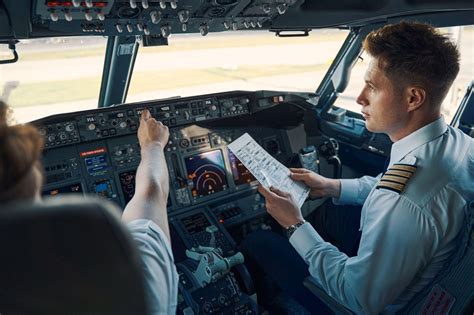
The Experience Gap: Why Captain Availability Is The Real Constraint
The term “pilot shortage” often suggests that the industry lacks licensed aviators altogether. In practice, the more precise issue is an experience gap. Airlines have access to new commercial pilots, but they are short of captains with decades of operational knowledge who can command narrowbody and widebody aircraft in complex environments.
Mandatory retirement at age 65 in the United States has accelerated turnover at major carriers such as Delta Air Lines, United Airlines, and American Airlines. A large cohort of senior captains — many hired during expansion waves in the late 1980s and 1990s — is now reaching retirement age in a compressed timeframe. When these captains exit, first officers upgrade to fill their seats. That progression is healthy and necessary, but it creates cascading vacancies further down the system.
Regional airlines, which serve as the primary training ground for future major-airline pilots, feel this effect first. When major carriers hire aggressively, experienced regional captains depart in significant numbers. Regionals then face the dual challenge of upgrading less-experienced first officers while simultaneously onboarding new hires who are just entering Part 121 airline operations.
The result is a structural imbalance. Airlines may have thousands of pilots on payroll, yet still lack enough commanders to operate their schedules efficiently. Long-haul operations intensify the issue. Widebody captains require not only seniority, but also international experience, additional training, and specific aircraft type ratings. Expanding a transpacific or transatlantic route demands more than enthusiasm; it requires a deep bench of command-qualified crew.
The Training Pipeline: From Student Pilot To Airline Captain
Behind every airline cockpit lies a demanding and expensive training journey. The path typically begins with a private pilot license, followed by instrument and commercial ratings, multi-engine certification, and eventually an Airline Transport Pilot (ATP) certificate. In the United States, this process can cost well over $100,000, a financial barrier that shapes who can realistically pursue the profession.
The 1,500-hour rule, implemented after the 2009 Colgan Air accident and enforced beginning in 2013, requires most airline pilots to accumulate 1,500 flight hours before qualifying for an ATP and joining a Part 121 carrier. The regulation was designed to enhance safety by ensuring substantial experience prior to airline employment. It has succeeded in standardizing higher minimum experience levels, but it has also lengthened the time between initial training and airline entry.
Accumulating 1,500 hours typically involves working as a flight instructor, flying charter operations, or conducting other commercial aviation jobs. That period can take several years. Even after joining a regional airline, pilots must complete type rating programs specific to aircraft such as the Boeing 737, Airbus A320 family, or Embraer E175. These programs rely heavily on full-flight simulators, which are costly and finite resources.
During peak hiring cycles, simulator capacity becomes a strategic choke point. Airlines must allocate simulator time between new-hire training, captain upgrades, and recurrent proficiency checks required by regulators. If simulator slots are constrained, upgrade timelines stretch. If upgrade timelines stretch, captain availability tightens. The system operates like an intricate mechanical watch: any delay in one gear reverberates throughout the mechanism.
Generational Turnover And The Retirement Debate
Demographics amplify the challenge. Airline hiring has historically followed economic cycles rather than steady, incremental growth. Expansion waves were followed by hiring freezes during downturns. The result is a workforce shaped by distinct cohorts. Today, one of the largest of those cohorts is aging out simultaneously.
Some policymakers have proposed raising the retirement age from 65 to 67 as a temporary relief measure. On the surface, extending careers for experienced captains appears logical. Keeping seasoned commanders in the cockpit for two additional years could ease immediate pressure on upgrade pipelines.
Yet the proposal introduces complications. International aviation standards, aligned with International Civil Aviation Organization (ICAO) guidance, typically cap multi-crew international operations at age 65. Extending the age limit domestically could restrict scheduling flexibility for airlines operating global networks. Moreover, delaying retirements does not eliminate the demographic wave; it merely shifts it forward. The cumulative need to replace that experience remains intact.
There is also a secondary effect. If senior captains remain in place longer, first officers wait longer for upgrades. Slower upgrades mean slower accumulation of command experience for the next generation of widebody leaders. In this sense, extending retirement age can compress future pipeline development even as it alleviates short-term strain.
Regional Airlines: The Pressure Valve Of The US System
The strain within the US pilot labor market becomes most visible at regional carriers. Airlines such as SkyWest, Republic Airways, Envoy Air, and PSA Airlines operate fleets of Embraer and CRJ aircraft under contract for major carriers. They provide essential connectivity between smaller communities and large hub airports.
When major airlines accelerate hiring, regionals lose captains rapidly. Unlike larger carriers, regionals operate with thinner staffing margins and less financial flexibility. A sudden loss of experienced commanders can force schedule reductions, route consolidations, or temporary suspensions of service to smaller cities.
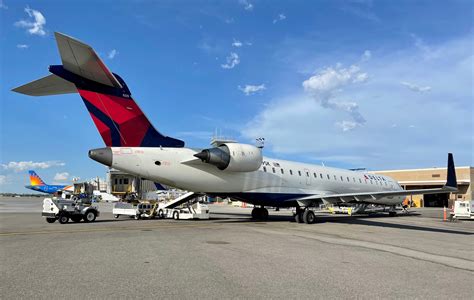
For passengers in major metropolitan areas, these adjustments may be barely noticeable. For travelers in mid-sized or rural communities, they can mean fewer daily departures, longer layovers, or complete loss of direct connectivity to the national network. In this way, the pilot hiring dynamic has geographic consequences. It shapes which communities remain fully integrated into the aviation system.
To stabilize staffing, regional airlines have dramatically improved compensation packages. Signing bonuses, retention incentives, tuition reimbursement programs, and guaranteed flow-through agreements to major airlines have become standard recruiting tools. First-year pay has risen sharply compared to a decade ago, narrowing the historical pay gap between regional and mainline carriers.
These incentives have improved the attractiveness of regional careers. However, they do not fully resolve the structural dependency on major-airline hiring patterns. When majors slow recruitment, regional upgrades stall. When majors surge, attrition spikes. The regional sector functions as the pressure valve of the broader US airline labor system.
Global Competition For Cockpit Talent
While US airlines dominate headlines, the pilot hiring challenge is global. Asia-Pacific represents the largest projected demand, with estimates exceeding 250,000 new pilots over the next two decades. India’s rapidly expanding carriers, including IndiGo and Air India, have placed substantial aircraft orders to support domestic and international growth. Each new aircraft requires multiple crews, multiplying the demand for type-rated captains.
The Middle East, home to major long-haul network carriers, continues to expand widebody operations linking Europe, Asia, and North America. These airlines require experienced commanders capable of operating ultra-long-haul routes on aircraft such as the Boeing 777 and Airbus A350. Europe, meanwhile, faces its own demographic shifts and regulatory complexities shaped by union agreements and varying national training frameworks.
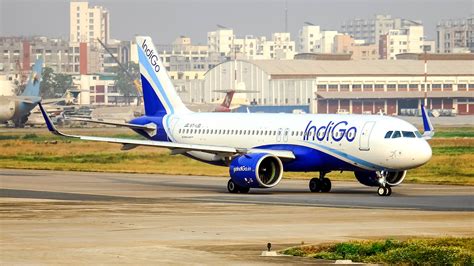
Global competition intensifies recruitment pressures. Pilots with substantial experience can command attractive compensation packages and favorable schedules. Airlines must not only train new entrants but also retain mid-career aviators who may be enticed by international opportunities. In this environment, pilot hiring is not merely a domestic workforce issue; it is part of a global talent marketplace.
Operational And Financial Implications For Airlines
For airlines, pilot availability directly influences operational reliability and financial performance. A shortage of captains can limit fleet utilization. Aircraft deliveries may outpace crew readiness, forcing airlines to delay route launches or park jets temporarily. Schedule reductions, even if minor, can disrupt network connectivity and revenue projections.
Higher labor costs represent another consequence. To attract and retain pilots, airlines have negotiated substantial pay increases in recent labor agreements. These contracts reflect both market competition and recognition of the profession’s demanding nature. While higher wages improve pilot quality of life and profession sustainability, they also contribute to rising operating costs.
Over time, increased labor expenses can influence ticket pricing strategies. Airlines must balance competitive fares with the need to maintain profitability. In a thin-margin industry, even modest shifts in cost structures carry strategic significance.
Technology offers partial mitigation. Advanced simulators with enhanced data analytics can streamline training. Improved crew scheduling software can optimize utilization. Some industry observers speculate about single-pilot commercial operations in the distant future, supported by automation advances. Yet such concepts remain controversial and face substantial regulatory, safety, and public-acceptance hurdles. For the foreseeable future, commercial aviation will continue to rely on two highly trained pilots in the cockpit.
What It Means For Aspiring Pilots And Passengers
For aspiring aviators, the long-term outlook remains promising. Despite cyclical fluctuations, structural demand for air travel continues to grow globally. The profession offers competitive compensation, technological sophistication, and the unique responsibility of commanding advanced aircraft across continents. However, the pathway demands significant financial investment, resilience, and patience.
For passengers, the impact is often subtle rather than dramatic. Occasional schedule adjustments, aircraft substitutions, or reduced frequencies may trace back to crew constraints. In smaller markets, pilot staffing can determine whether air service expands or contracts. Over time, stable training pipelines and balanced hiring strategies will shape the consistency and breadth of available routes.
The broader narrative surrounding US pilot shortages is therefore less about crisis and more about structural adaptation. Airlines are navigating a generational transition while expanding fleets and modernizing operations. Training institutions are scaling capacity. Regional carriers are redefining compensation models. Policymakers are debating retirement thresholds and regulatory frameworks.
Aviation has always been cyclical, but the current moment is distinguished by scale. The industry is simultaneously replacing an entire generation of captains and preparing for sustained global growth. The United States is worried because the stakes are high: connectivity, economic vitality, and operational safety all depend on a steady, well-trained supply of cockpit leadership.
In the end, the conversation about pilot shortages is really a conversation about time. Experience takes years to accumulate. Command authority cannot be rushed. Airlines can order aircraft in months, but they cultivate captains over decades. The carriers that align long-term workforce planning with fleet strategy will be best positioned to thrive in the next era of aviation.