Passengers attempting to plan trips far in advance with Frontier Airlines are encountering an unexpected wall. The ultra-low-cost carrier has quietly stopped selling tickets beyond April 13, 2026, a move that immediately unsettled travelers accustomed to booking months ahead. In an airline industry where advance schedules are a key signal of stability, the abrupt cutoff has ignited speculation about Frontier’s operational health and strategic direction during a pivotal period.
Frontier’s booking calendar now stretches only a few months into the future, an unusually narrow window even for budget airlines. Most major carriers release schedules nine to twelve months in advance, allowing passengers to lock in fares and plan vacations with confidence. The absence of bookable flights beyond mid-April has therefore stood out sharply, prompting questions about whether deeper financial or structural issues may be unfolding behind the scenes.
The concern intensified when aviation data revealed that Frontier has not filed flight schedules past April 13. According to industry analytics, the airline lists hundreds of departures on that day and none immediately after, creating a visible cliff in its operational planning. For frequent flyers and travel advisors, this pattern resembles warning signs seen in past airline restructurings, even though such outcomes are far from guaranteed.
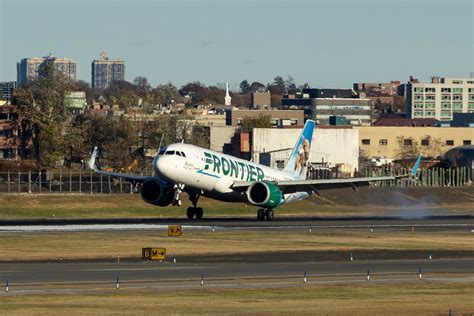
Frontier has pushed back against alarmist interpretations, attributing the pause to a comprehensive network-wide schedule review. The airline says it is finalizing its spring and summer plans and will release an updated timetable shortly. While this explanation is plausible, the lack of specific details has done little to calm passenger nerves, particularly among those accustomed to Frontier’s traditionally aggressive forward scheduling.
From a strategic standpoint, temporarily shortening the booking window can reduce costly disruptions during major network changes. Airlines undertaking route adjustments, aircraft reallocations, or crew base revisions often prefer to delay ticket sales rather than rebook thousands of passengers later. For Frontier, this approach may limit refund exposure and operational confusion, but it also sacrifices early booking revenue and risks pushing customers toward competitors with clearer schedules.
The timing makes the decision especially delicate. Spring and summer represent the most lucrative travel seasons, particularly for leisure-focused carriers like Frontier. By withholding fares during this planning phase, the airline risks losing market share on price-sensitive routes where early bookings typically drive demand. Rival carriers, including both legacy airlines and low-cost competitors, remain fully open for advance reservations and may benefit from Frontier’s temporary absence.
This tactic is not entirely without precedent in the ultra-low-cost segment. Spirit Airlines implemented a similar move in late 2025 while downsizing its fleet and shedding routes. In Spirit’s case, the shortened booking horizon coincided with deeper financial distress, including bankruptcy proceedings. While Frontier’s situation is less severe, the comparison underscores why industry observers are paying close attention to the current pause.
Frontier’s broader financial backdrop adds further context. Despite posting a modest profit in 2024, the airline reported losses approaching $190 million during the first nine months of 2025. Its performance has been inconsistent for years, frequently placing it among the weakest US carriers by profitability and reliability metrics. These challenges have heightened sensitivity to any operational anomaly, including an unusually short booking calendar.
Amid this uncertainty, Frontier has ushered in new leadership. James Dempsey, a longtime executive at Ryanair, has taken over as chief executive officer with a mandate to stabilize and modernize the carrier. His appointment has been closely watched, given Ryanair’s reputation as one of the world’s most consistently profitable low-cost airlines. Dempsey’s experience with disciplined cost control and efficient scheduling models could prove decisive for Frontier’s next chapter.
Under the new leadership, Frontier has signaled a willingness to refine its product as well as its operations. Planned enhancements include free onboard Wi-Fi and the introduction of a new First Class offering, reflecting a broader industry trend where even ultra-low-cost airlines are upgrading select elements of the passenger experience. These initiatives aim to boost ancillary revenue while improving brand perception.
Dempsey’s Ryanair background is particularly relevant as Frontier reevaluates its network. Ryanair’s “out-and-back” crew scheduling model, which returns crews to their home base nightly, has delivered significant cost savings and improved punctuality. Adapting similar principles to the US market could help Frontier address reliability concerns while maintaining its low-cost DNA.
For passengers, the immediate takeaway is caution rather than panic. Existing bookings remain valid, and Frontier has not announced route closures or capacity reductions tied directly to the April cutoff. Still, the lack of visibility complicates long-term planning and erodes confidence among travelers who rely on predictable schedules. Until the updated timetable is released, Frontier’s frozen booking calendar will remain a focal point for scrutiny, speculation, and closely watched signals about the airline’s future direction.