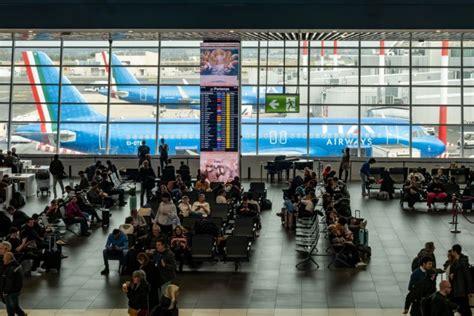
Italy’s aviation industry plunged into chaos on July 10, 2025, as a nationwide airport strike triggered massive disruptions at the country’s busiest international gateways—Rome Fiumicino, Milan Malpensa, and Venice Marco Polo. The 24-hour industrial action, spearheaded by airport ground staff and supported by flight attendants and unionized logistics workers, led to the cancellation or delay of over 140 flights, paralyzing operations across key summer tourist corridors and transatlantic routes.
Grounded Hubs: Rome, Milan, and Venice Brought to a Standstill
The scope of the disruption was immediate and sweeping. At Rome Fiumicino Airport (FCO), Italy’s busiest aviation hub, no fewer than 81 flights were delayed, with long-haul connections to the U.S. and Asia particularly affected. Although ENAC, Italy’s civil aviation authority, attempted to enforce operational windows between 7:00 AM to 10:00 AM and 6:00 PM to 9:00 PM, the safeguards were insufficient to prevent widespread chaos.
In Milan, both Malpensa (MXP) and Linate (LIN) airports suffered compounded delays and cancellations. Malpensa saw 48 delays and 36 cancellations, making it the worst-affected hub by volume. Notably, U.S.-bound carriers like American Airlines and Delta recorded disrupted operations. Meanwhile, Milan Linate experienced 9 delays and 22 cancellations, largely crippling intra-European routes serviced by British Airways, KLM, and Lufthansa.
Venice Marco Polo Airport (VCE)—a key entry point for northern Italy and a major summer destination—reported 12 delayed flights and 14 cancellations, including long-haul connections to the Middle East and the United States.
Strike Mechanics: Who’s Behind the Shutdown?
The strike was orchestrated primarily by Assohandlers, a powerful union representing Italy’s airport ground handling service providers, which include Swissport, Aviapartner, Airport Handling, and Aviation Services. Their demand: fairer labor conditions, higher wages, and guaranteed staffing levels during peak season workloads.
Simultaneously, easyJet’s cabin crew, under the umbrella of Flai Trasporti e Servizi, joined the action, expanding the disruption to flight operations as well as ground logistics. To exacerbate the situation, Cagliari Airport’s security staff staged a separate four-hour walkout from 1:00 PM to 5:00 PM, creating additional choke points for security screening.
ENAC’s Interventions: Not Enough to Stem the Tide
To preserve minimal service levels, ENAC issued directives mandating operations for essential flights, especially those:
- Scheduled during peak time slots
- Bound to or from Sicily, Sardinia, and Lampedusa
However, despite these measures, terminal congestion, lost luggage, delayed check-ins, and gate confusion dominated the travel experience. Social media lit up with posts from stranded tourists and business travelers, many of whom had to rebook or reroute entirely.
Breakdown by Airport: Data from the Eye of the Storm
At a glance, the operational toll of the strike underscores the scale of the disruption:
Rome Fiumicino (FCO)
Delays: 81
Cancellations: Not disclosed
Notable Impacts: Transatlantic delays, missed U.S. connections
Milan Malpensa (MXP)
Delays: 48
Cancellations: 36
Notable Impacts: Disruption on U.S. and European routes
Milan Linate (LIN)
Delays: 9
Cancellations: 22
Notable Impacts: Severe impact on British Airways, Lufthansa, KLM
Venice Marco Polo (VCE)
Delays: 12
Cancellations: 14
Notable Impacts: Emirates, American Airlines, and Delta delays
Rome Ciampino (CIA)
Delays: 1
Cancellations: 0
Notable Impacts: Minimal
Airline Disruptions: A Transatlantic Domino Effect
Virtually every major carrier operating in Italy faced some level of disruption. While some low-cost operators bore the brunt due to direct involvement in the strike, even long-haul and flag carriers suffered significant setbacks.
easyJet emerged as one of the worst affected, with 28 delays and additional cancellations, primarily out of Milan and Venice. As their staff joined the strike directly, entire flight rosters were disrupted.
Ryanair, another low-cost giant, saw over 20 flights canceled, primarily from Malpensa and Venice, cutting off many intra-European budget routes.
British Airways canceled 8 flights out of Milan Linate, severely impacting London-bound operations. Lufthansa, operating mainly out of Milan and Rome, canceled 2 key flights connecting to Germany.
U.S. carriers also fared poorly:
- Delta reported 3 delays at Rome, Milan, and Venice
- American Airlines faced 4 delays and 1 cancellation at Malpensa
- United Airlines confirmed 2 delays from Rome FCO
ITA Airways, Italy’s national airline, suffered the heaviest cancellations—36 flights in total, many of them affecting connections within the Schengen area.
Ripple Effects Across Europe and Beyond
The knock-on effect of Italy’s strike was not confined within its borders. Flights transiting through or arriving from major hubs like London Heathrow, Paris Charles de Gaulle, and Frankfurt Airport were delayed due to aircraft and crew being stranded or rerouted.
Moreover, the disruption extended well beyond Europe. Middle Eastern carriers like Emirates experienced hold-ups on flights bound for Dubai, while U.S.-Italy transatlantic flights saw cascading schedule reshuffles that impacted entire North American operations.
With many travelers dependent on connections through Italy’s major airports to access summer vacation spots across the Mediterranean and Adriatic, this disruption couldn’t have come at a worse time. Travel agencies reported an upsurge in rebookings and cancellations, while tourism operators in cities like Florence, Naples, and Palermo braced for diminished arrivals.
Travel Advisory: What Passengers Need to Do
Given the uncertainty, passengers scheduled to fly in or out of Italy are urged to take the following actions:
- Monitor airline communications regularly via app or website
- Arrive at the airport early, especially for international departures
- Review airline cancellation and refund policies carefully
- Consider travel insurance coverage for labor strikes and delays
While ENAC attempted to enforce continuity for essential flights, the effectiveness was severely limited. Reports of missed connections, lost baggage, and abandoned trips were widespread by late afternoon, painting a grim picture of Italy’s aviation infrastructure during labor unrest.
What Lies Ahead: More Strikes on the Horizon?
This July 10 strike now stands as the most disruptive day for Italian air travel in 2025. With more than 140 flights affected, its ripple effects will linger for days as airlines work to clear backlogs and reposition aircraft.
Labor unions have indicated that without meaningful negotiation and tangible improvements to work conditions, additional strikes may occur during July and August, Italy’s busiest tourism months. The aviation sector, already stretched from post-pandemic recovery and surging summer demand, may be ill-equipped to absorb repeated shocks.
For now, the Italian government faces pressure to mediate between airport operators, airlines, and labor unions to avert further escalation. Should the standoff persist, travelers can expect a turbulent summer marked by continued unpredictability, frayed tempers, and delayed dreams.
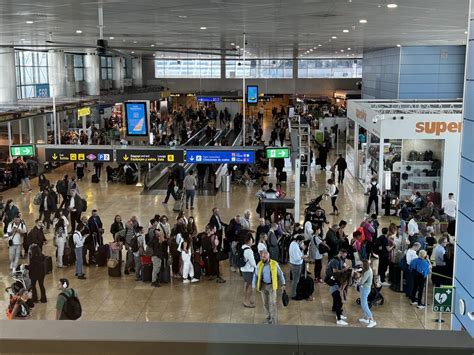
As travelers reel from the fallout and airlines recalibrate schedules, July 10 serves as a potent reminder: in global aviation, even a single day of disruption in a major travel corridor can spark international consequences that ripple far beyond the runway.