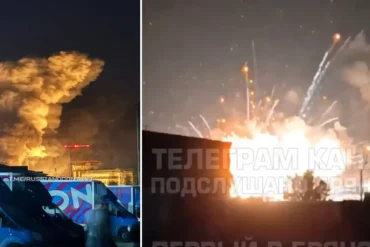
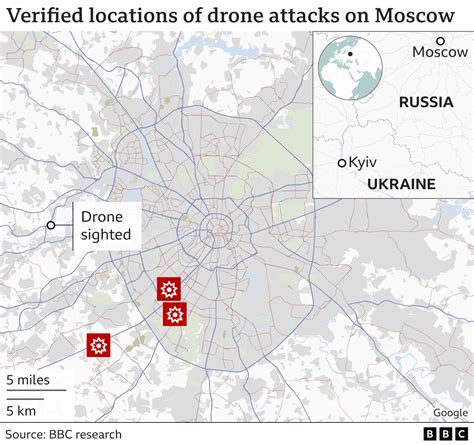
A Ukrainian drone strike on Moscow over the weekend has caused significant disruptions to air travel, leading to the suspension of operations at four of the city’s primary airports. The attack, which occurred from Saturday night into Sunday morning, resulted in the cancellation of more than 140 flights, showcasing the ongoing tension and escalating conflict between Ukraine and Russia. This incident marks a notable escalation in the use of drone warfare, directly impacting civilian infrastructure and daily life in Moscow.
The drone assault was executed by Ukrainian forces and is part of a larger pattern of drone strikes that have been increasingly targeting Russian airspace. According to Russia’s Defense Ministry, over 230 Ukrainian drones were intercepted in various regions across Russia since Saturday morning, with 27 drones being shot down over the Moscow region alone. While the majority of these drones were intercepted by Russia’s air defense systems, the sheer volume of the attack overwhelmed existing defenses, resulting in widespread operational disruptions.
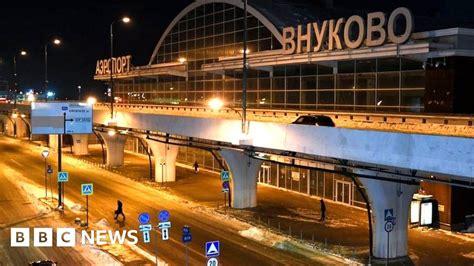
The targeted airports included Sheremetyevo, Vnukovo, Domodedovo, and Zhukovsky. Of these, Vnukovo Airport suffered the most extensive damage, requiring a temporary closure for emergency assessments. Additionally, airspace above Grabtsevo Airport in the Kaluga region was also closed as a precautionary measure. The scale of the drone attack has raised serious concerns regarding the vulnerability of Russian airspace and the effectiveness of its defense mechanisms.
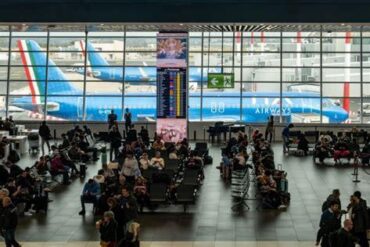
In response to the drone attack, Russia’s aviation watchdog intervened to manage the crisis. The immediate aftermath saw over 140 flights cancelled, while more than 130 additional flights were diverted to other airports, creating chaos for passengers who were left scrambling for alternative travel arrangements. Although most of the affected airports resumed operations by Sunday, the disruptions persisted throughout the weekend, with delays and cancellations continuing to affect travelers. Sheremetyevo, Domodedovo, and Zhukovsky airports managed to reopen quickly; however, Vnukovo remained closed due to safety concerns stemming from ongoing drone activity in the vicinity.
Following the attacks, Russian President Vladimir Putin reiterated his commitment to achieving a peaceful resolution to the ongoing conflict with Ukraine. A Kremlin spokesperson emphasized that while the desire for peace exists, the objectives of the conflict must still be met. This sentiment underscores the complexity of the situation, where military actions continue to influence diplomatic efforts. The drone strike serves as a clear indicator that the war is encroaching upon civilian life, disrupting even routine activities such as air travel.
The implications of this drone attack extend beyond immediate flight cancellations; they highlight the increasing fragility of Russia’s air travel system. As the demand for flights continues to rise, the threat posed by drone incursions has become a pressing concern for aviation authorities. Although the damage from this specific attack was not catastrophic, it exposed significant weaknesses in the country’s air defense strategy, prompting a reevaluation of security measures at airports nationwide.
The nature of modern warfare is evolving, and drones are emerging as formidable tools that can significantly disrupt civilian life. While Russia’s defense systems managed to intercept a majority of the incoming drones, the sheer number of attacks showcased a need for improved coordination and preparedness to mitigate future threats. The fallout from this incident raises questions about how effectively Russia can protect its airspace and critical infrastructure in the face of persistent drone warfare.
As operations gradually return to normal at Moscow’s airports, passengers have been warned to expect further delays as airlines work to clear the backlogs created by cancellations and rerouted flights. Travelers, particularly those flying from Vnukovo, are advised to verify their flight statuses, as the airport remains under heightened scrutiny following the attack. The potential for additional drone strikes in the future poses a significant risk, threatening prolonged disruptions in air travel to and from Moscow.
Global reactions to the drone attack reflect a growing awareness of the changing landscape of warfare, as nations worldwide reconsider their strategies for safeguarding airspace. The incident in Moscow may set a precedent for how aviation authorities globally respond to similar threats, as the balance between ensuring security and maintaining operational efficiency becomes increasingly delicate.
In conclusion, while Moscow’s airports are beginning to resume normal operations, the ramifications of the Ukrainian drone attack will likely linger for some time. The event underscores the broader implications of modern conflict, where civilian infrastructures, including air travel, can be severely impacted by emerging threats. As Russia looks to enhance its airspace security to prevent future incidents, the ongoing evolution of warfare will continue to challenge traditional norms and practices within the aviation sector.