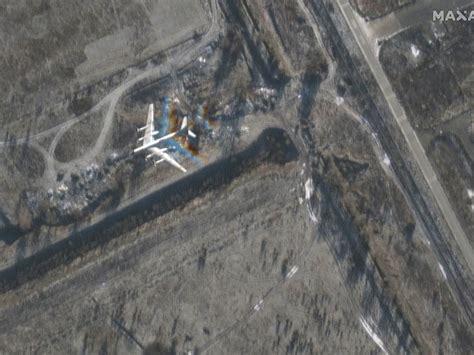
A significant escalation in the ongoing war between Ukraine and Russia has unfolded with a Ukrainian drone attack that disrupted air traffic across a broad region of Russia. This attack, which occurred overnight on May 6, 2025, led to the suspension of flights at multiple airports, including all four major airports serving Moscow. The incident highlights Kyiv’s growing ability to strike deep into Russian territory, even as Russia prepares to commemorate the 80th anniversary of the end of World War II in Europe with a highly anticipated parade. While Kyiv has not officially commented on the strikes, their military actions continue to serve as a response to the ongoing conflict and Russian aerial bombardments targeting Ukrainian cities.
The Attack: A Bold Strike Deep Within Russia
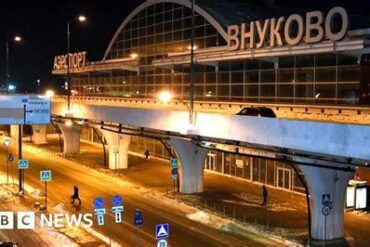
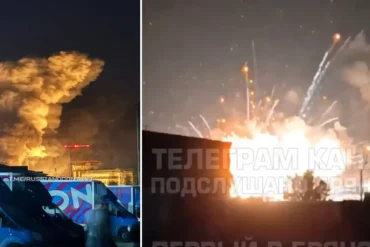
On the night of May 6, Ukrainian drones launched a devastating strike targeting Russian infrastructure. This attack led to the closure of 13 airports, affecting both major and regional hubs. The impact was particularly severe in Moscow, where all four primary international airports were temporarily shut down. The scale of the disruption shows the effectiveness of Ukraine’s long-range drone capabilities, which have become a crucial aspect of their military strategy.
Russian air defenses were activated in at least 11 regions to counter the assault, with the Ministry of Defense reporting that efforts were made to neutralize the drones in flight. Despite these attempts, the impact on Russia’s aviation network was immediate. Airports across the affected regions were paralyzed for several hours, leading to significant delays in air travel.
The incident serves as a stark reminder of Ukraine’s continued ability to strike within Russian borders, despite the immense distance. Ukrainian drones have increasingly targeted Russian infrastructure, and this attack is just another example of how Ukraine is using its drone capabilities to disrupt Russia’s military and civilian operations.
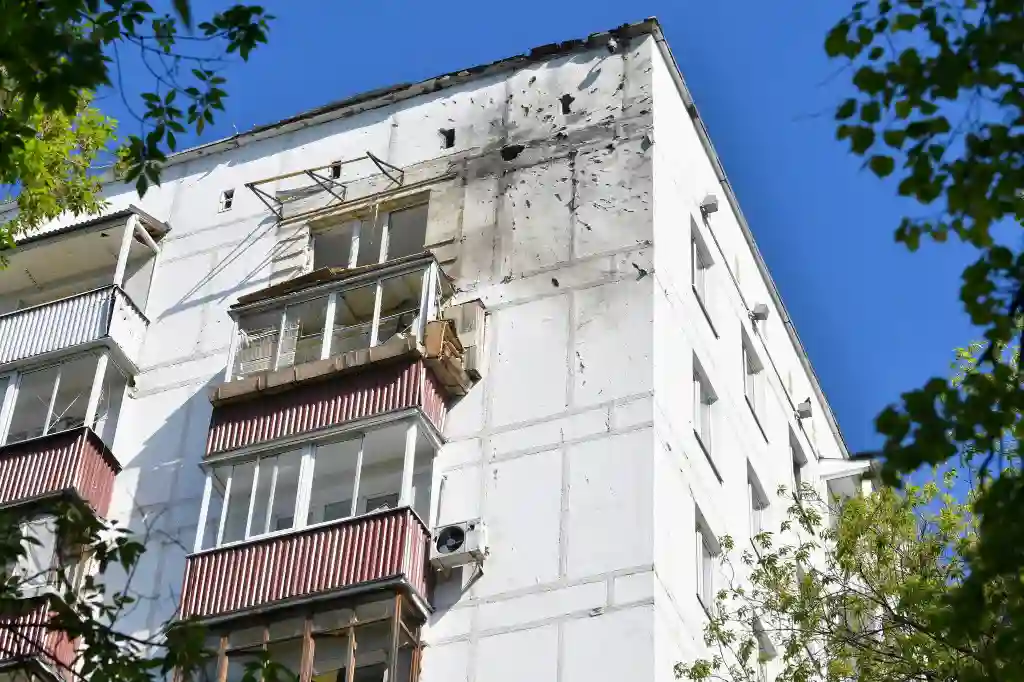
Moscow’s Planned Parade and the Potential Threat
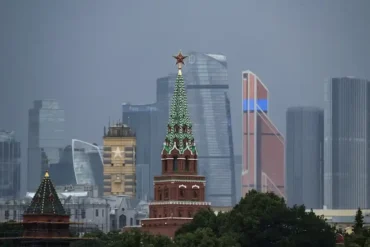
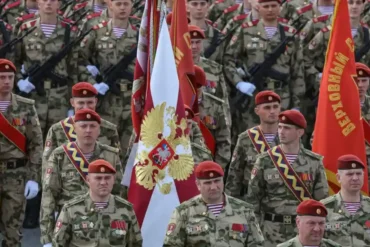
The timing of this drone strike is particularly significant, coming just days before a major national event in Moscow. The Russian capital is preparing for a grand military parade in Red Square to mark the 80th anniversary of the end of World War II in Europe. This is a key occasion in Russia’s calendar, with President Vladimir Putin and military officials planning to honor the sacrifices made during the war and showcase Russia’s military strength.
The parade is expected to be attended by approximately 20 heads of state, including Chinese President Xi Jinping. The presence of these foreign dignitaries has heightened the stakes for Russia, and it is clear that Moscow is taking all necessary steps to ensure the security of the event. In a bid to avoid any disruptions, President Putin has called for a three-day truce in the ongoing war, hoping to provide a period of peace during the celebrations.
However, the Ukrainian drone strike raises questions about the security of the parade. While the Ukrainian authorities have not explicitly linked the attack to the upcoming event, the timing of the strike is certainly noteworthy. Kyiv’s willingness to conduct operations deep within Russia’s borders suggests that the country’s leadership is prepared to escalate its tactics if necessary.
Ukrainian Response and the Dynamics of the Conflict
In response to Russia’s request for a short-term truce during the parade, Ukrainian President Volodymyr Zelensky rejected the offer. Zelensky argued that a three-day ceasefire would be insufficient and would only serve to provide a temporary reprieve without addressing the underlying issues of the conflict. He has called for a longer, more comprehensive ceasefire agreement, with an extension of at least 30 days, to allow for meaningful dialogue and negotiation.
This stance underscores Ukraine’s firm position in the ongoing conflict and highlights the significant differences between the two countries when it comes to negotiating terms for peace. While Russia seeks a quick break from the fighting, Ukraine is focused on achieving a more lasting resolution, one that addresses the broader issues of territorial integrity and sovereignty.
Zelensky’s rejection of the truce also reflects the broader military strategy of Ukraine. Kyiv has consistently emphasized the need to counter Russian aggression through direct military engagement, and the drone attacks on Russian soil are a manifestation of this approach. By striking key Russian infrastructure, Ukraine not only inflicts damage on the Russian war effort but also sends a message about its ability to retaliate against Russian provocations.
The Impact of Drone Warfare on the Conflict
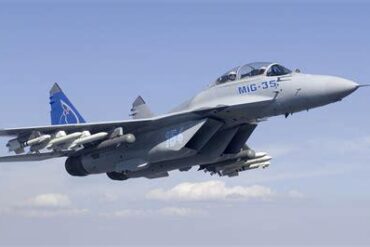
The Ukrainian drone attack represents a significant shift in the nature of modern warfare. While drones have been used for surveillance and tactical strikes for years, their role in this conflict has expanded to include more sophisticated long-range operations. The use of drones to target critical infrastructure, such as airports and military bases, has become a key component of Ukraine’s strategy to undermine Russian capabilities.
Drones offer a number of advantages in modern warfare, including their relatively low cost, ability to operate in contested environments, and precision targeting capabilities. These factors make drones an ideal tool for Ukraine, as they allow for deep strikes into Russian territory without risking significant casualties or depleting valuable resources.
The Ukrainian military has demonstrated increasing proficiency in using drones for both offensive and defensive operations. This attack on Russian airports is just the latest in a series of successful drone strikes, and it underscores the growing importance of unmanned aerial vehicles in the conflict. As the war continues to evolve, it is likely that both sides will invest heavily in drone technology to gain an upper hand.
The Broader Geopolitical Context
The ongoing conflict between Ukraine and Russia has profound implications for global geopolitics. The involvement of foreign leaders, such as Xi Jinping, at Russia’s Victory Day parade highlights the international dimension of the war. As Russia continues to face pressure from Ukraine, it has sought to strengthen its relationships with other world powers, particularly China.
The presence of foreign dignitaries at the parade signals a broader alignment between Russia and China, which has raised concerns among Western nations. As the war intensifies, the role of international allies and the shifting balance of power in the region will continue to shape the trajectory of the conflict. The Ukrainian drone attacks and Russia’s response are just one aspect of this larger geopolitical puzzle.
Conclusion: A New Phase in the War
The Ukrainian drone attack on May 6, 2025, marks a significant turning point in the conflict between Ukraine and Russia. The ability to strike deep within Russian territory not only disrupts Russia’s military infrastructure but also sends a powerful message about Ukraine’s growing capabilities and resolve. As the war continues to evolve, the use of drones will likely play an increasingly important role in both countries’ military strategies.
The timing of the attack, so close to Russia’s planned parade, highlights the escalating tensions and the risks of further escalation. While President Putin seeks a temporary truce for the event, Ukraine remains steadfast in its position, insisting on a more comprehensive ceasefire. The conflict shows no signs of abating, and both sides continue to prepare for an extended war with no immediate prospects for peace.
The strategic use of drones, the shifting geopolitical landscape, and the ongoing military operations are all shaping the future of the war. As the conflict drags on, the stakes will only continue to rise, with both sides seeking to gain an advantage through technological advancements, military tactics, and diplomatic maneuvering.