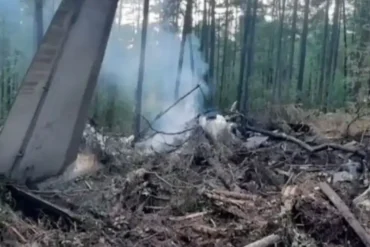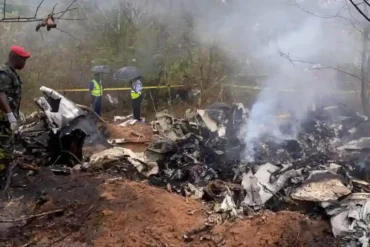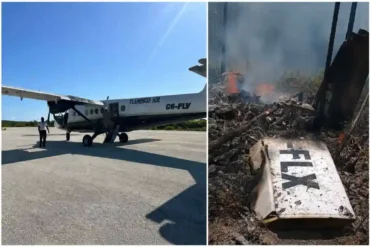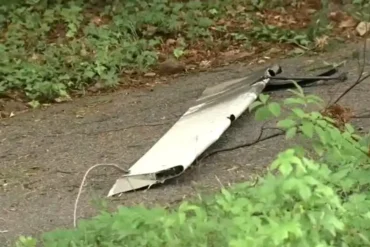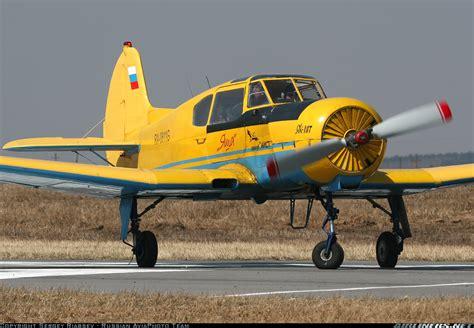
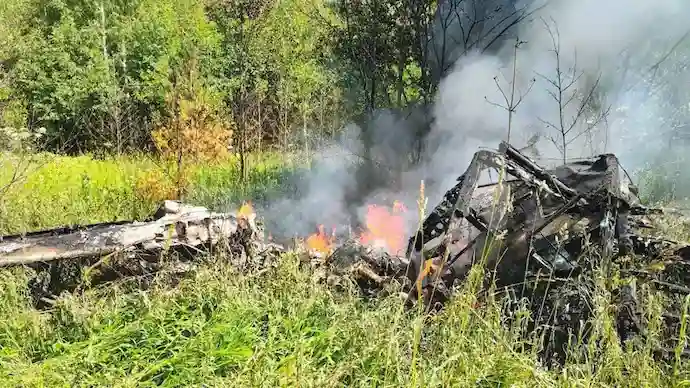
The calm of a Saturday afternoon in the Kolomna district, southeast of Moscow, was shattered on June 28, 2025, when a Yakovlev Yak-18T trainer aircraft plummeted from the sky and burst into flames upon impact. All four people aboard, including a pilot and three civil aviation trainees, were killed instantly. The crash has reignited concerns over the safety and regulatory scrutiny of legacy Soviet-era aircraft still in widespread use across the region.
Yak-18T Crash: A Fatal Training Flight
The Yak-18T, a single-engine, four-seat light aircraft, was reportedly conducting an aerobatic maneuver at low altitude when it experienced engine failure mid-flight. The aircraft, unable to regain power, crashed into an open field and caught fire, leaving a trail of wreckage that emergency responders quickly reached — but too late to save anyone aboard.
Initial statements from Russia’s Disaster Management Ministry confirmed there were no survivors, and fortunately, no casualties or property damage occurred on the ground. The fire was swiftly contained, but the tragic aftermath has put the spotlight squarely on operational oversight, aircraft maintenance standards, and airworthiness certification in Russian civil aviation training.
Yakovlev Yak-18T: A Legacy Trainer With a Mixed Record
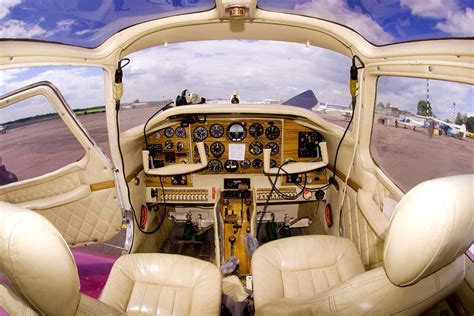
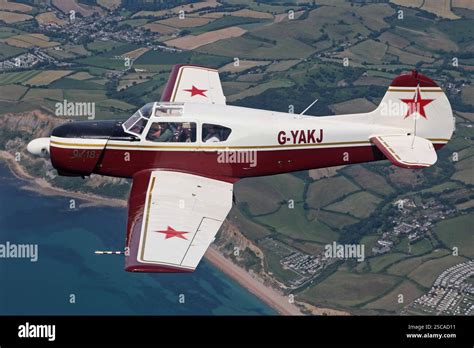
The Yakovlev Yak-18T, introduced in the 1970s, was developed by the Yakovlev Design Bureau as an advanced version of earlier Yak-18 models. It features a radial engine, tricycle landing gear, and is revered for its rugged construction, responsive controls, and simplicity in maintenance — attributes that made it an ideal aircraft for civilian and military pilot training across the Soviet Union and its successor states.
Despite these qualities, the Yak-18T is a product of another era. Its aging airframes, coupled with inconsistent upgrades and varying levels of maintenance across local flying clubs, have raised persistent safety concerns.
Many Yak-18Ts still in use today are over 40 years old, with some airframes operating with minimal avionics upgrades and outdated instrumentation. While many have undergone refurbishment, a significant portion remain in service without modern safety enhancements.
Possible Violations: Flight Without Clearance
In a disturbing twist to the incident, local Russian media reported that the Yak-18T may have taken off without proper flight clearance. If confirmed, this would be a direct violation of aviation protocol and raise serious questions about procedural adherence within civilian aviation training schools.
The absence of formal clearance implies a potential breakdown in regulatory oversight and operational discipline, elements that are supposed to act as safeguards against precisely such tragedies. Authorities have not yet disclosed which flight school or operator the aircraft was affiliated with, but the incident has prompted a high-level probe.
Investigations Underway: Negligence or Technical Failure?
The Russian Prosecutor’s Office has launched an official investigation into the cause of the crash, including a full review of the aircraft’s maintenance logs, flight authorization paperwork, pilot credentials, and communications records.
A forensic analysis of the crash site, debris, and engine components is expected to determine whether mechanical failure was the sole cause or whether human error or negligence played a contributing role.
Authorities are also examining whether the aircraft was used for maneuvers beyond its approved operational envelope. Given the reported aerobatic activity, this line of inquiry is considered crucial. Some aviation experts have already voiced concerns that the Yak-18T, despite its heritage, is not ideally suited for aggressive aerobatics unless it has undergone specialized reinforcement.
Aging Fleet and Renewed Safety Debate
This latest crash adds to a growing list of incidents involving legacy Soviet-designed training aircraft. Though often celebrated for their simplicity and cost-effectiveness, these aircraft are increasingly showing signs of age-related structural fatigue, engine wear, and outdated avionics.
In the aftermath of the Kolomna crash, aviation experts have called for:
- A comprehensive review of the airworthiness certification protocols for trainer aircraft.
- Stricter enforcement of flight authorization standards at flying clubs.
- Increased investment in modern training aircraft to phase out high-risk legacy platforms.
The Yakovlev Yak-18T, despite its sturdy construction, was never designed to serve in active fleets for half a century. Yet, due to budgetary limitations and infrastructure constraints, many Russian and former Soviet states continue to rely on it as a primary trainer.
International Implications and Regional Context
While this crash occurred within Russian borders, its implications resonate beyond. Several former CIS nations, including Ukraine, Belarus, Kazakhstan, and Armenia, continue to use the Yak-18T and similar vintage trainers for civil aviation instruction. Safety audits and fleet reviews may be imminent in those regions as aviation authorities reassess risks associated with older aircraft.
There’s also growing attention on how this crash might influence international aviation standards. The International Civil Aviation Organization (ICAO) has been monitoring aging fleet trends for years, and this crash could serve as a case study on how prolonged aircraft lifespan — combined with lax procedural adherence — can have catastrophic consequences.
Victims and Unanswered Questions
As of the latest update, the identities of the four victims have not been officially released. Preliminary reports suggest that all occupants were associated with a civilian flight training program, but whether they were part of an accredited institution or an informal club remains under investigation.
The aviation community mourns the loss, but it also demands answers. Was this accident preventable? Was the aircraft maintained to required standards? Did the pilot receive proper briefing before undertaking aerobatic maneuvers? Was the aircraft modified or altered in a way that compromised its integrity?
These questions will take weeks, if not months, to answer fully. But the urgency of addressing them cannot be overstated.
Repercussions and Policy Reforms
In response to the crash, several aviation safety watchdogs have urged Russia’s Federal Air Transport Agency (Rosaviatsiya) to implement a nationwide audit of all civilian training aircraft older than 30 years. Proposed reforms include:
- Requiring mandatory GPS-based flight tracking for all training flights.
- Implementing real-time clearance verification systems.
- Creating a public aircraft safety and maintenance log database.
- Accelerating subsidies for newer trainer aircraft acquisition by flying clubs.
The loss of the Yak-18T and its occupants has become a rallying point for overdue reform. If history is any guide, crashes involving training aircraft often precipitate waves of regulatory tightening — but the challenge lies in sustained implementation rather than short-term response.
Conclusion: A Wake-Up Call for Civil Aviation Safety
The crash of the Yakovlev Yak-18T near Moscow is more than just another aviation accident; it is a symbolic indictment of the fragility of aging aviation infrastructure when combined with procedural lapses. The tragedy underscores the need for a comprehensive safety reevaluation within civilian aviation training programs not only in Russia, but across all nations still operating vintage Soviet-era trainers.
Until such sweeping reforms are implemented and enforced, the risk of similar tragedies will continue to hang over airfields — a grim shadow cast by an aircraft that, while once reliable, may no longer be fit for the skies of the 21st century.