On July 19, 2025, a tragic incident unfolded in Vietnam’s Ha Long Bay when the Wonder Sea boat, a tourist vessel, capsized during a sudden and severe thunderstorm. This catastrophic event claimed the lives of 38 individuals, including 20 children, and left 10 survivors to be rescued from the treacherous waters. The boat was carrying a total of 48 passengers along with five crew members, showcasing the devastating impact of this disaster on families and the community.
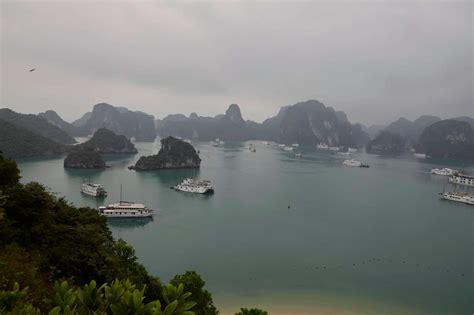
The capsizing occurred in the afternoon, as the vessel navigated through the stunning yet unpredictable waters of Ha Long Bay, a UNESCO World Heritage Site renowned for its breathtaking limestone karsts and emerald-green waters. Unfortunately, the allure of this iconic destination was overshadowed by the rapid onset of harsh weather conditions, characterized by heavy rainfall and low visibility, which significantly complicated the rescue efforts that followed the accident.
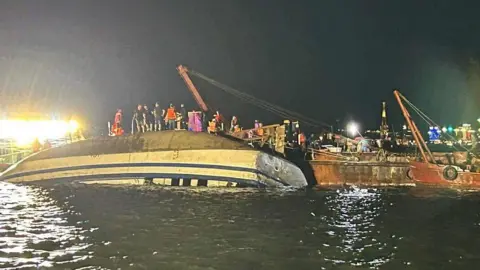
Rescue teams faced an uphill battle against the elements, as the storm created chaotic conditions that hindered their ability to locate and retrieve those trapped beneath the surface. Despite these challenges, the response was swift, with various Vietnamese authorities—including border guards, navy personnel, and police—mobilizing alongside professional divers to assist in the operation. The recovery of the Wonder Sea boat itself provided some closure to the authorities and families affected, allowing for a clearer understanding of the tragedy’s full scale.
As rescue operations progressed, the Vietnamese government expressed deep sorrow and condolences to the families of the deceased. Prime Minister officials confirmed that all victims were Vietnamese nationals, underscoring the domestic implications of this disaster. The recovery effort was complicated not only by the weather but also by the need for careful coordination among multiple local authorities, emphasizing the urgency and importance of the situation.
In the aftermath of the capsizing, the government announced a thorough investigation into the circumstances surrounding the incident. Investigators are tasked with determining whether the Wonder Sea adhered to safety regulations and whether the dangerous weather conditions could have been anticipated or mitigated in any way. This tragic event has sparked national outrage and raised critical questions about the safety measures in place for tourism operations within Vietnam, particularly in areas susceptible to natural hazards.
The Vietnam News Agency reported that officials are committed to clarifying the causes of this incident and ensuring that any violations related to passenger safety and maritime operations will be addressed with appropriate measures. Authorities have signaled a zero-tolerance approach toward negligence, promising that those found culpable will face strict consequences.
Challenges in Rescue Operations Amid Harsh Weather Conditions
The storm that struck on July 19 exacerbated an already precarious situation, creating obstacles that were both immediate and profound. With visibility severely reduced and water conditions becoming increasingly perilous, traditional rescue methods proved inadequate. Divers faced additional threats as they attempted to navigate the turbulent waters in search of survivors and victims alike. The logistical difficulties encountered by rescue teams were compounded by the urgency of the situation, as time was of the essence in efforts to save lives.
Authorities managed to recover the sunken vessel, which played a vital role in understanding the incident’s dynamics and determining the extent of the tragedy. In total, 38 bodies have been recovered, while efforts continue to identify four victims whose identities remain unknown. The emotional toll on the community is palpable, as families grapple with the loss of loved ones and the stark reality of such a tragic event occurring in a location so frequently celebrated for its beauty.
Vietnam’s Response to the Ha Long Bay Tragedy
In the wake of this calamity, the Vietnamese government has emphasized the need for a reevaluation of safety measures surrounding maritime tourism. With over 64,000 tourists visiting Ha Long Bay annually, it is imperative that authorities enhance protocols to prevent similar incidents in the future. The tourism sector is a cornerstone of the local economy, and ensuring the safety of visitors is paramount to maintaining confidence in this vital industry.
The government’s commitment extends beyond merely addressing the immediate fallout of the incident; there is a concerted effort to overhaul existing safety regulations for tourist operations. The investigation will likely lead to stricter guidelines regarding weather preparedness, vessel inspections, and emergency response protocols for all tourism-related activities. As the scrutiny intensifies on tourism businesses operating in the region, stakeholders are urged to cooperate fully with investigations and proactively implement enhanced safety measures.
The Role of Ha Long Bay in Vietnam’s Tourism Industry
Ha Long Bay is not just a scenic destination; it plays a pivotal role in Vietnam’s tourism landscape. Its unique geological features and cultural significance draw visitors from across the globe, making it one of the country’s most treasured locales. However, this recent tragedy serves as a sobering reminder of the risks associated with marine tourism, particularly in regions prone to unpredictable weather patterns.
As Vietnam’s tourism industry continues to flourish, the balance between promoting natural beauty and ensuring visitor safety becomes increasingly crucial. The Ha Long Bay incident has brought to light the urgent need for improved safety standards and better infrastructure for both tourists and operators. The call for enhanced oversight and regulation within the tourism sector is not only timely but essential for preserving the integrity of this key economic driver.
Investigation and Future Measures
The Vietnamese government has pledged a comprehensive investigation into the capsizing incident, with a focus on understanding the operational standards of the Wonder Sea and compliance with safety regulations. Authorities are expected to scrutinize whether adequate measures were in place to protect passengers, especially given the suddenness of the storm.
As part of the ongoing response, there is an anticipation of new regulatory frameworks that may emerge from this tragedy. These changes could include mandatory training for crew members on emergency procedures, improved communication systems for real-time weather updates, and more stringent licensing requirements for tourist vessels. The overarching goal is to ensure that every possible precaution is taken to safeguard the lives of those who choose to explore the beauty of Ha Long Bay.
Conclusion
The sinking of the Wonder Sea boat on Ha Long Bay is a heart-wrenching tragedy that underscores the inherent risks of marine tourism. As search efforts continue and the investigation unfolds, the Vietnamese government has vowed to take decisive action to prevent future disasters. The emotional and social ramifications of this incident resonate deeply within the community, prompting a reassessment of safety protocols and operational standards across the tourism sector. It is hoped that the lessons learned from this heartbreaking event will pave the way for safer sea travel in Vietnam, ensuring that visitors can enjoy the splendor of Ha Long Bay without fear for their safety.